
No products in cart

Why Is My Stomach Bloated? Common Causes, Symptoms, and How to Find Relief
Bloating, also known as flatulence, occurs when gas accumulates in the intestines. It is one of the most common reasons patients seek medical attention from primary care physicians and gastroenterologists. Bloating can be a symptom of various digestive and urogenital disorders, acute abdominal conditions, dietary mistakes, or endocrine diseases. It is often accompanied by digestive disturbances, abdominal discomfort or pain, and changes in bowel habits, such as diarrhea or constipation.
Causes
Bloating typically causes uncomfortable sensations that patients describe as a feeling of fullness, pressure, or heaviness in the abdomen. It may also be accompanied by:
- Belching
- Rumbling or gurgling sounds in the abdomen
- Diarrhea or constipation
- Intestinal cramps and pain that often improve after a bowel movement
Symptoms usually become more noticeable later in the day. In some cases, gas buildup occurs without additional symptoms but may still cause unpleasant odors and audible intestinal sounds. People often wonder why bloating occurs. The answer varies from person to person, as the causes, severity, and duration of symptoms can differ significantly.
Dietary Cause
One of the most common causes of bloating is the consumption of foods that promote gas production, including:
- Black or rye bread
- Milk
- Legumes (beans, peas, lentils)
- Cabbage
- Beer
Diets high in carbohydrates and fats can also contribute to excessive gas formation.
Eating Habits
Gas accumulation is often linked to:
- Eating too quickly
- Inadequate chewing
- Swallowing food hastily
These habits cause people to swallow excess air, which enters the digestive tract and contributes to bloating after meals. Smoking while eating can have a similar effect because additional air is swallowed during the process.
Age-Related Changes
Bloating becomes more common with age due to:
- Slower movement of gas and food through the intestines
- Lengthening of the intestines
- Thinning (atrophy) of the intestinal wall
After age 50–60, the number of active intestinal glands decreases, and digestive juices become less effective, leading to increased gas accumulation.
Bloating During Pregnancy
Bloating is common during pregnancy, especially during the second and third trimesters. The condition is caused by:
- Increased gas production
- Slower gas elimination from the intestines
It may occur alongside:
- Heartburn
- Sour belching
- Constipation
- Lower abdominal discomfort
A potential complication is increased uterine tone.
Main Causes During Pregnancy
Enlarged Uterus
As the uterus grows, it places pressure on abdominal organs, particularly the cecum and sigmoid colon.
Changes in Digestion
Alterations in bile composition and pancreatic secretions may impair food digestion and promote gas formation.
Slower Intestinal Motility
Reduced intestinal movement can lead to constipation and gas retention.
Gut Microbiome Imbalance
Difficulties in stool passage and incomplete digestion may disrupt the intestinal microflora.
Hormonal Changes
Many women experience bloating before menstruation. This is often related to:
- Hormonal fluctuations
- Slower intestinal motility
- Fluid retention
Bloating and abdominal pain are also common during ovulation. If bloating is associated with tumors, symptoms may include fever and severe pain.
Infectious Causes
Infections that disrupt the balance of intestinal bacteria frequently cause bloating. Symptoms may include:
- Abdominal swelling
- Pain
- Fever
- Diarrhea
- Nausea
- Vomiting
Common infections associated with bloating include:
Acute Intestinal Infections
- Rotavirus infection
- Dysentery
Fungal Infections
- Intestinal candidiasis
Parasitic Infections
- Trichuriasis
- Giardiasis
- Enterobiasis (pinworm infection)
- Ascariasis (roundworm infection)
Diseases of the Large Intestine
Bloating may be caused by conditions affecting the colon, including:
Inflammatory Diseases
- Ulcerative colitis
- Crohn’s disease
Structural Abnormalities
- Congenital or acquired enlargement of the colon
- Diverticula
- Pneumatosis intestinalis
Tumors and Precancerous Conditions
Growths in the colon may contribute to excessive gas production and abdominal distention.
Stomach and Esophageal Disorders
Conditions affecting the stomach and esophagus can also cause bloating. The underlying mechanism often involves abnormal gastrointestinal motility, resulting in gas accumulation and uneven gas distribution throughout the digestive tract. Examples include:
- Hiatal hernia
- Gastroesophageal reflux disease (GERD)
Digestive Enzyme Deficiencies and Malabsorption
Some people experience bloating because they cannot properly digest or absorb nutrients in the small intestine. This may occur in:
- Pancreatic enzyme insufficiency
- Pancreatitis
- Cholecystitis
- Gallstone disease
- Gilbert syndrome
- Lactose intolerance
- Celiac disease
Serious Medical Conditions
In some cases, bloating may signal a serious condition requiring immediate medical attention. Examples include:
- Ascites
- Intestinal obstruction
- Peritonitis
Functional Gastrointestinal Disorders
Bloating may also result from functional digestive disorders that do not involve structural abnormalities. These include:
- Irritable bowel syndrome (IBS)
- Functional dyspepsia
People with these conditions often experience abdominal pain and bloating despite the absence of detectable physical abnormalities.
Urogenital Conditions
Because the intestines are located close to the pelvic organs, some urogenital disorders may present with bloating. Common examples include:
- Acute salpingitis
- Prostatitis
- Renal colic
Symptoms of Bloating
The severity of symptoms depends on the underlying cause and the seriousness of the condition.
Common Symptoms
- Feeling of fullness or pressure
- Excessive gas production
- Enlarged or distended abdomen
- Heartburn
- Belching
- Nausea and vomiting
- Constipation or diarrhea
Additional Symptoms
- Pain and discomfort after eating
- Abdominal cramps
- Rumbling sounds in the abdomen
- Changes in appetite
- Weakness or fatigue
Bloating in Children
Bloating is common in children of all ages.
Newborns and Infants
In newborns and young infants, bloating is often caused by excessive gas accumulation and slow gas elimination. Symptoms may include:
- Colic
- Abdominal pain
- Frequent crying
- Poor appetite
Contributing factors include:
- Immature digestive enzymes
- Underdeveloped intestinal motility
- Feeding difficulties
- Gut microbiome imbalance
- Prematurity
- Allergic reactions
Older Children
In older children, bloating may result from:
- Poor eating habits
- Unbalanced nutrition
- Stress
- Excess body weight
- Infectious diseases
- Certain medications
Bloating is usually harmless and temporary, but persistent symptoms, severe pain, unexplained weight loss, fever, vomiting, or blood in the stool warrant prompt medical evaluation.
Treatment
To effectively treat bloating, it is important to identify the underlying cause. For this reason, a consultation with a primary care physician or gastroenterologist is recommended. A medical evaluation can help determine the factors contributing to the condition and guide appropriate treatment.
Diagnostic Evaluation
To identify the cause of bloating, healthcare providers may recommend a comprehensive assessment that includes:
- Laboratory tests, such as blood, urine, and stool analyses
- Abdominal ultrasound
- Endoscopic examinations of the digestive tract, including:
- Gastroscopy
- Colonoscopy
- Capsule endoscopy
- Imaging studies, including:
- Abdominal X-rays
- Barium transit studies of the small and large intestines
- Gastric X-rays
- Endoscopic retrograde cholangiopancreatography (ERCP) in selected cases
- Gastric and duodenal intubation tests, which can help detect increased stomach acidity and gastroesophageal reflux.
Managing Bloating
Once the underlying cause has been identified, treatment can be tailored accordingly. In many cases, bloating can be reduced through dietary and lifestyle changes.
Dietary Modifications
Patients are often advised to limit foods that commonly trigger gas production, including:
- Milk and dairy products (if poorly tolerated)
- Legumes
- Cabbage
- Black or rye bread
- Sweet fruits
- Carbonated beverages
How food is consumed is just as important as the foods themselves. To reduce bloating:
- Eat slowly
- Chew food thoroughly
- Avoid eating on the go
- Minimize swallowing excess air during meals
Medications
Many people ask what they can take for bloating. The most appropriate treatment depends on the cause, but commonly used over-the-counter options can be used. A healthcare provider can recommend the most suitable medication based on individual symptoms and medical history.
Prevention
The following measures may help reduce the risk of bloating:
- Follow a balanced diet while limiting gas-producing foods
- Avoid overeating
- Drink adequate amounts of water throughout the day
- Maintain an active lifestyle and exercise regularly
- Reduce or eliminate smoking
- Limit alcohol consumption
Adopting healthy eating habits and addressing digestive issues early can significantly decrease the frequency and severity of bloating episodes.
What do you think is the biggest cause of your bloating—certain foods, stress, eating too quickly, or something else? Share your experience in the comments!



Lia
Founder & Editor Lia is a biologist with many years of research experience and a deep love for natural medicine. She is passionate about natural remedies, healthy living, and simple ways to support the body through nature. Eager to share her knowledge, Lia enjoys offering helpful lifestyle tips, wellness tricks, natural recipes passed down through generations, and inspiring ideas for living a healthier and more balanced life.Related Posts
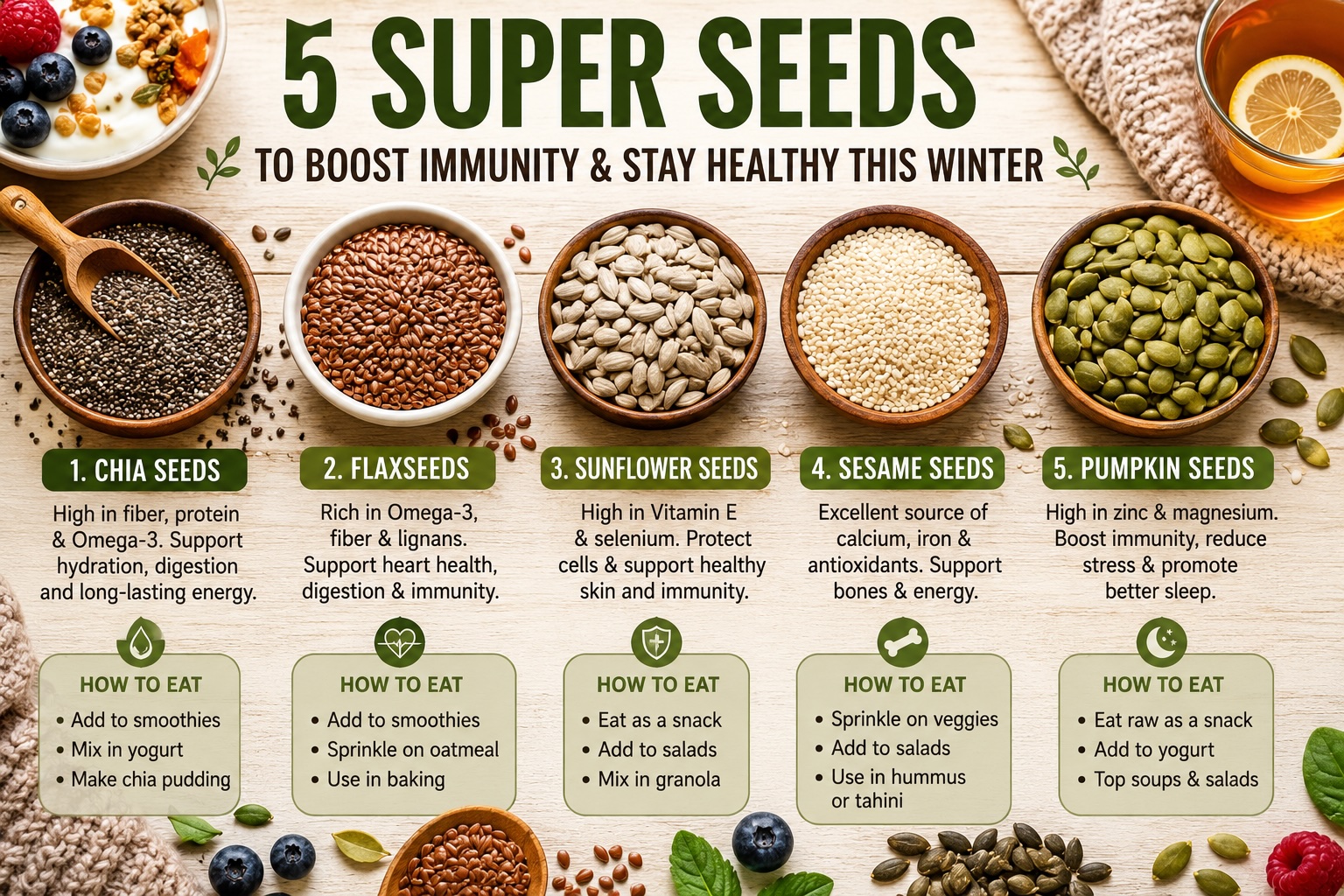
5 Super Seeds to Eat This Winter for Better Immunity, Energy, and Overall Health
June 23, 2026
Seeds may be small, but they are packed with powerful nutrients that can support your body through the colder months. From boosting immunity and steady energy to nourishing the heart,...
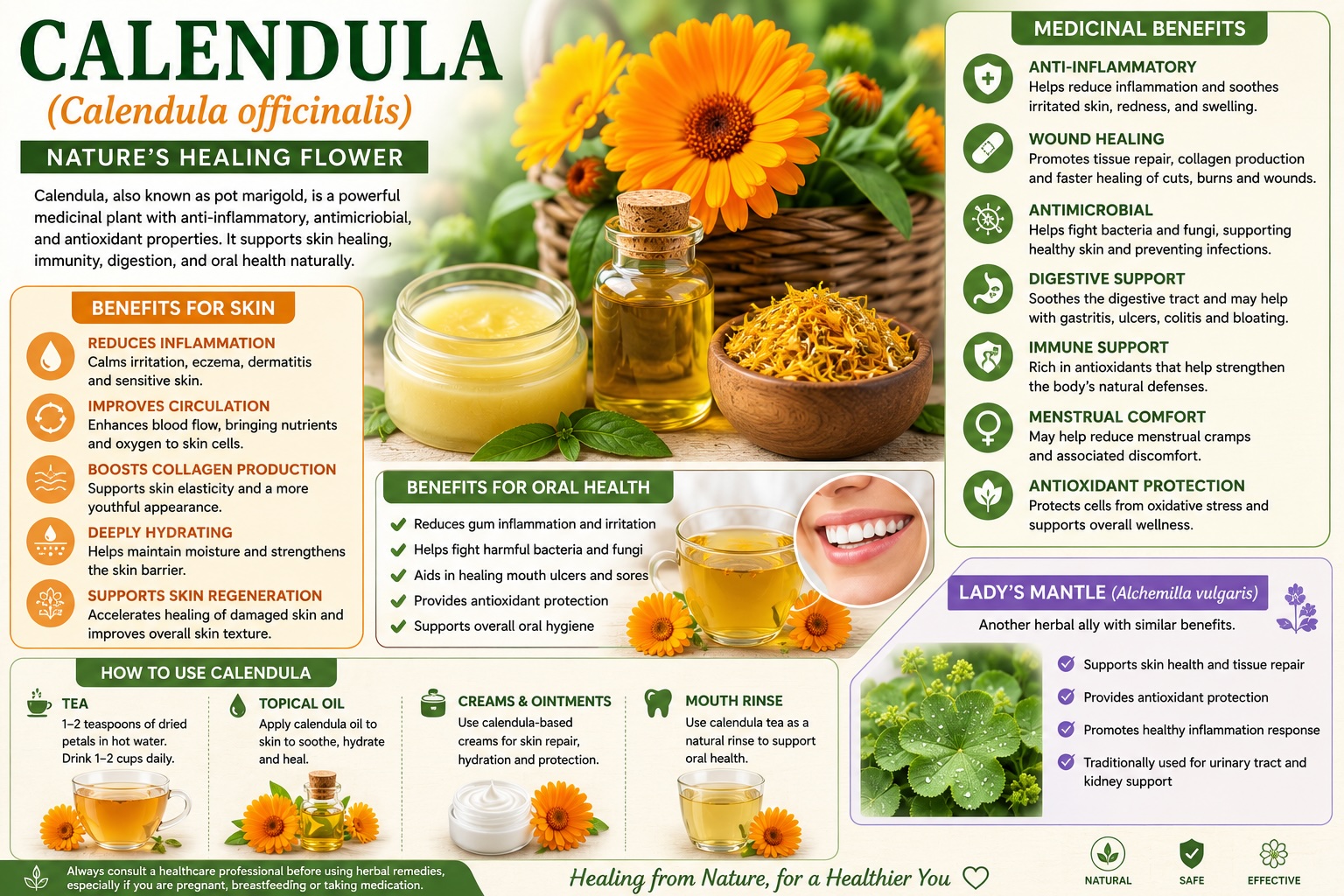
Calendula Benefits for Skin, Immunity, and Oral Health: A Complete Guide
June 23, 2026
Calendula is a bright, healing flower known for its soothing, antioxidant-rich properties. From calming irritated skin to supporting the body’s natural immune defenses and promoting oral comfort, calendula has been...
Leave a Comment