
No products in cart
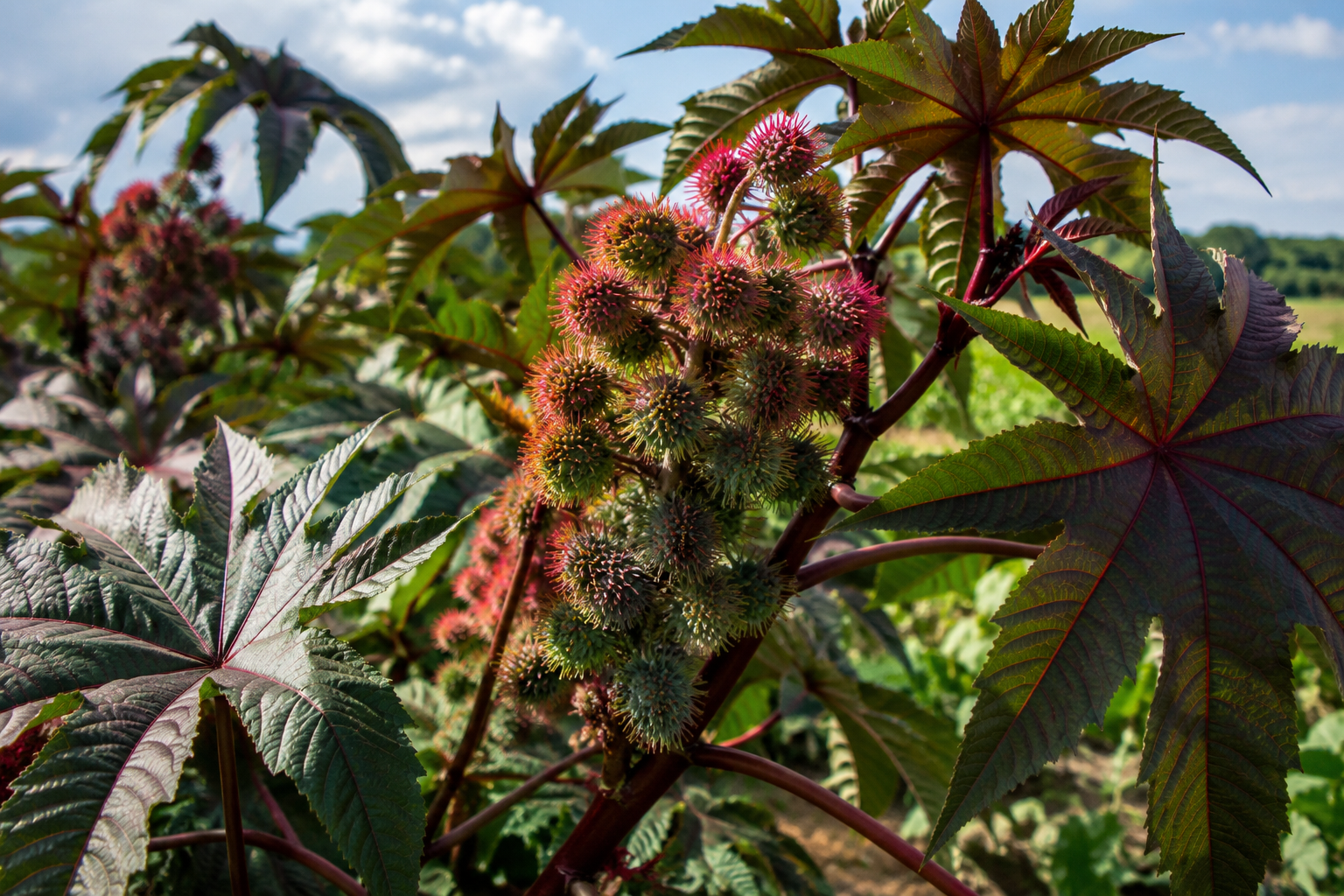
Castor oil is a thick vegetable oil made from the seeds of the castor bean plant. People often use it in skincare and haircare because it helps lock in moisture and soften dry areas. However, castor oil can also cause irritation or make hair difficult to manage when used incorrectly.
Castor Oil Benefits for Skin
Castor oil acts as an emollient, which means it helps reduce moisture loss and leaves the skin feeling softer and smoother.
People commonly use castor oil to:
- Moisturize dry or rough skin
- Soften elbows, knees, heels, and cuticles
- Reduce the appearance of flaking
- Support the skin barrier
- Massage dry areas of the face and body
Castor oil also contains ricinoleic acid and other compounds with anti-inflammatory and antioxidant properties. These compounds may help calm mild redness and protect the skin from environmental stress.
However, castor oil should not replace medical treatment for acne, infections, burns, wounds, or chronic skin conditions.
How to Use Castor Oil on the Skin
Mix a few drops of castor oil into your regular face cream or body lotion. You can also combine it with a lighter carrier oil because pure castor oil feels very thick and sticky.
Before applying it widely, perform a patch test on a small area of skin. Stop using it if you notice itching, redness, burning, swelling, or discomfort.
5 Powerful Hair Masks for Stronger, Thicker, and Healthier Hair
Castor Oil Benefits for Hair
Castor oil coats the hair shaft and helps reduce dryness and friction. It may make dry hair look smoother, shinier, and less brittle.
Castor oil may help:
- Moisturize dry hair
- Soften a dry scalp
- Reduce flaking caused by dryness
- Improve the appearance of split ends
- Protect fragile hair from breakage
- Add shine and smoothness
Castor oil does not guarantee faster hair growth and cannot treat medical causes of hair loss. Sudden, patchy, or severe hair loss requires professional evaluation.
How to Use Castor Oil on Hair
Mix a small amount of castor oil with coconut oil or another lighter oil. Apply it to the scalp or hair, massage gently, and leave it on for 30 minutes to one hour.
Wash the hair thoroughly with shampoo. Avoid using too much because pure castor oil can be difficult to remove and may leave the hair greasy, tangled, or more vulnerable to breakage.
You can also add a few drops to a conditioner or hair mask.
Possible Side Effects
Topical castor oil may cause allergic reactions, irritation, redness, or itching. Its heavy texture can also weigh down fine hair or clog the scalp when applied excessively. Always use a small amount, complete a patch test, and stop using the oil if irritation develops.
How have you used castor oil in your skin or hair routine, and what results did you notice?
How to Build the Best Hair Care Routine for Shiny, Damage-Free Hair


Lia
Founder & Editor Lia is a biologist with many years of research experience and a deep love for natural medicine. She is passionate about natural remedies, healthy living, and simple ways to support the body through nature. Eager to share her knowledge, Lia enjoys offering helpful lifestyle tips, wellness tricks, natural recipes passed down through generations, and inspiring ideas for living a healthier and more balanced life.Related Posts
Natural Facial Skincare Routine for Every Age
July 10, 2026
Learn how to create a natural facial skincare routine with daily cleansing, moisturizing, sun protection, homemade masks, botanical oils, and age-appropriate skincare tips....
Peptides for Skin and Health: Benefits, Foods, and Uses
July 9, 2026
Peptides support skin repair, collagen production, hormone balance, and cell renewal. Learn how peptide skincare works and which foods help your body produce peptides naturally....

Animal Fats in Korean and Japanese Skincare Explained
July 6, 2026
Animal fats in cosmetics may sound unusual, but ingredients like horse oil, mink oil, lanolin, and emu oil have long been used in Korean and Japanese skincare. This article explains...
Leave a Comment