
No products in cart
5 Super Seeds to Eat This Winter for Better Immunity, Energy, and Overall Health
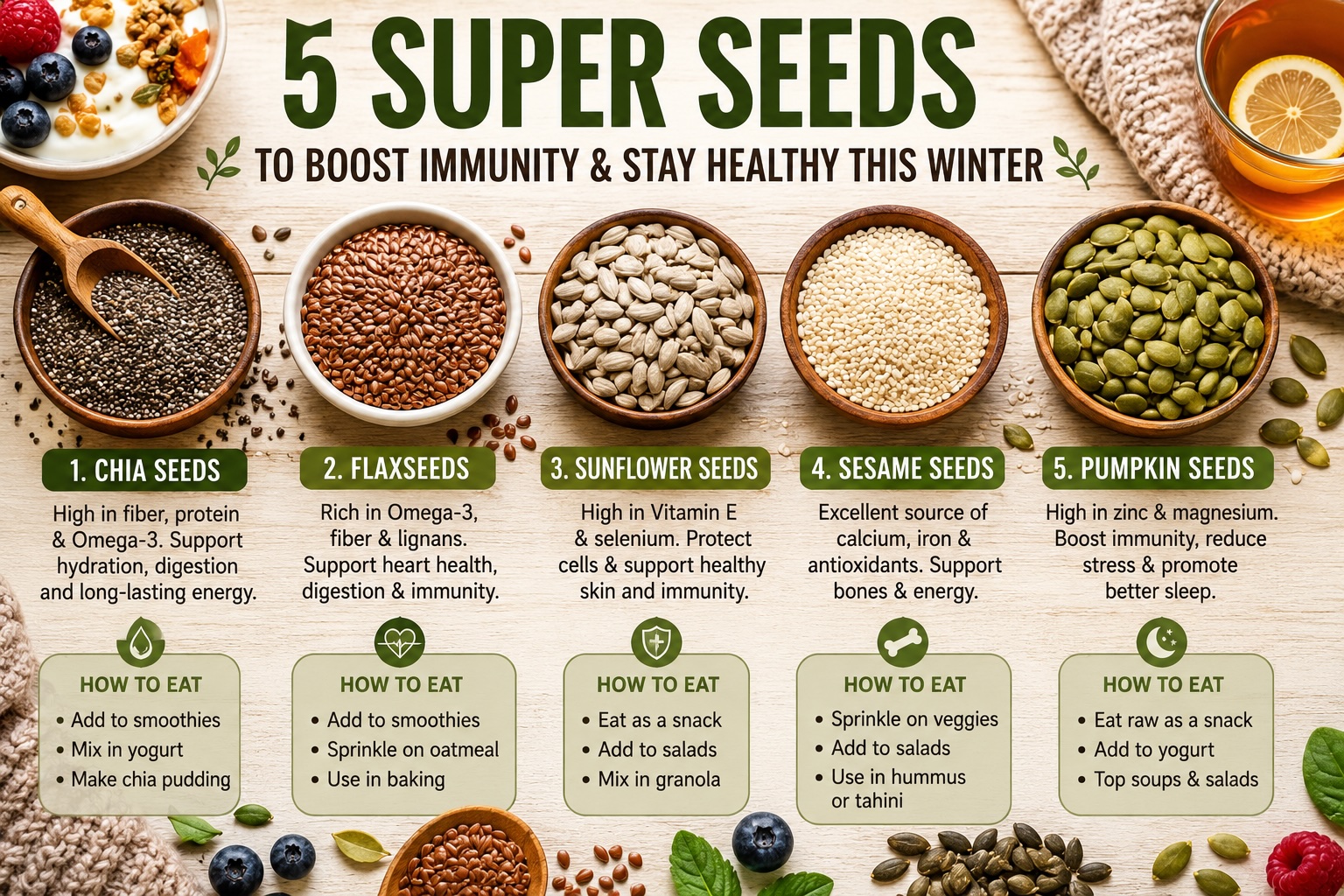
As temperatures drop and cold and flu season arrives, your body needs extra nutrients to stay healthy and resilient. While many people focus on fruits and vegetables, seeds are often overlooked despite being some of nature’s most powerful superfoods. Tiny but incredibly nutritious, seeds are packed with fiber, protein, healthy fats, vitamins, minerals, and antioxidants that can help support immunity, improve digestion, increase energy levels, and promote overall wellness.
Here are five of the best seeds to include in your diet this winter.
1. Chia Seeds: The Ultimate Energy and Hydration Booster
Chia seeds are among the most nutrient-dense foods available. Rich in fiber, plant-based protein, and Omega-3 fatty acids, they provide long-lasting energy and help keep you feeling full for longer. One of their unique properties is their ability to absorb liquid and form a gel-like texture, which supports hydration and digestive health.
Benefits of Chia Seeds
- Support healthy digestion
- Promote hydration
- Increase satiety
- Provide sustained energy
- Rich source of Omega-3 fatty acids
How to Eat Them
- Add to smoothies
- Mix into yogurt
- Stir into soups
- Make chia pudding with plant-based milk and fresh fruit
2. Flaxseeds: Rich in Heart-Healthy Omega-3s
Flaxseeds are well known for their high Omega-3 content, making them excellent for supporting heart and brain health. They are also packed with fiber and lignans, natural compounds with antioxidant and anti-inflammatory properties that help strengthen the body’s defenses during winter.
Benefits of Flaxseeds
- Support cardiovascular health
- Promote healthy digestion
- Reduce inflammation
- Provide antioxidant protection
- Help support immune function
How to Eat Them
- Add ground flaxseeds to smoothies
- Sprinkle over yogurt or oatmeal
- Mix into homemade bread, muffins, or cookies
3. Sunflower Seeds: A Natural Source of Vitamin E
Sunflower seeds are loaded with Vitamin E, a powerful antioxidant that helps protect cells from damage and supports healthy skin during the dry winter months. They also contain selenium, an important mineral that contributes to immune function and overall wellness.
Benefits of Sunflower Seeds
- Support skin health
- Protect against oxidative stress
- Provide essential antioxidants
- Contribute to immune health
How to Eat Them
- Enjoy as a healthy snack
- Add to salads for extra crunch
- Mix into homemade granola
4. Sesame Seeds: Packed with Calcium and Iron
Sesame seeds are an excellent source of calcium, which helps maintain strong bones, and iron, which supports healthy oxygen transport throughout the body. Their antioxidant content also helps combat free radicals and supports healthy skin during colder weather.
Benefits of Sesame Seeds
- Promote bone health
- Help prevent iron deficiency
- Support healthy energy levels
- Provide antioxidant protection
How to Eat Them
- Sprinkle over roasted vegetables
- Add to salads and grain bowls
- Use in hummus or tahini recipes
5. Pumpkin Seeds: The Ultimate Immune-Boosting Seed
Pumpkin seeds are one of the best foods for supporting immunity thanks to their high zinc content. Zinc plays a critical role in immune function and helps the body defend itself against seasonal illnesses. These seeds are also rich in magnesium, which supports relaxation, stress management, and better sleep quality.
Benefits of Pumpkin Seeds
- Strengthen the immune system
- Support restful sleep
- Reduce stress
- Provide magnesium and zinc
- Help protect against seasonal infections
How to Eat Them
- Enjoy raw as a snack
- Add to yogurt or smoothies
- Sprinkle over soups and salads
- Lightly roast at home for extra flavor
Final Thoughts
Small but mighty, seeds are among the most nutritious foods you can add to your winter diet. Whether you choose chia, flax, sunflower, sesame, or pumpkin seeds, each offers unique health benefits that can help support immunity, improve digestion, boost energy, and promote overall well-being. Adding just a handful of these nutrient-rich superfoods to your daily routine can make a significant difference in how you feel throughout the colder months.
Which of these super seeds will you be adding to your meals this winter?


Angela
Editor Angela is passionate about nature, holistic care, and a natural healthy lifestyle. She has experience creating natural lifestyle recipes and exploring simple ways to support wellness through everyday habits. In addition, Angela is a nature photographer and the exclusive photographer for Nature Power Boost, capturing the beauty, calm, and healing power of the natural world through her images.Related Posts
Top 10 Smoothies to Lose Fat During Summer
July 9, 2026
Discover the top 10 smoothies to lose fat during summer. These refreshing smoothie recipes include berries, greens, yogurt, cucumber, avocado, and other healthy ingredients....
Top 20 Summer Smoothies to Drink This Season
July 9, 2026
Discover the top 20 summer smoothies to drink for hydration, energy, and healthy weight balance. These refreshing smoothie recipes include fruits, berries, greens, yogurt, and light summer ingredients....
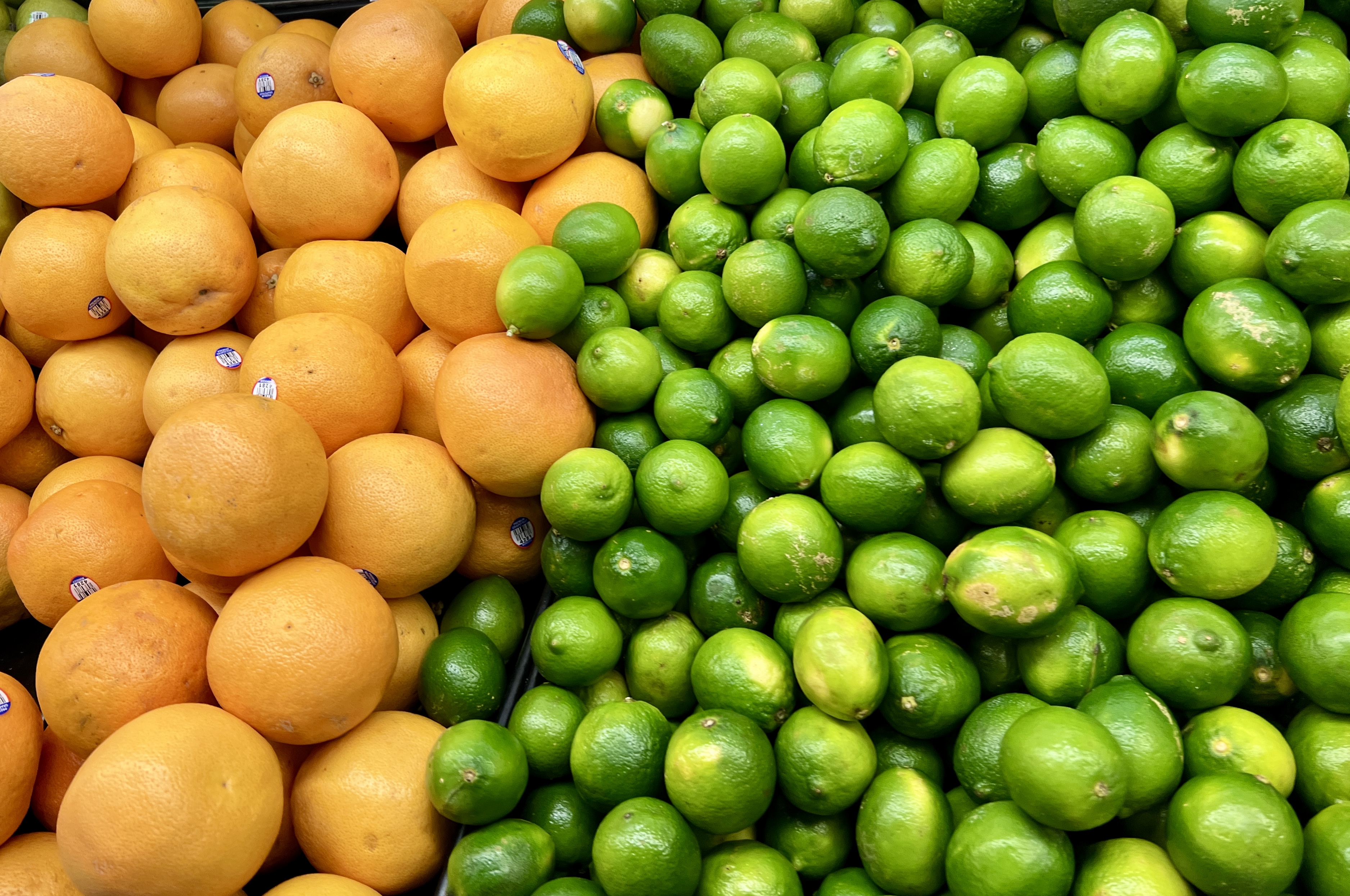
Grapefruit Varieties: How to Choose, Store, and Grow Them
July 8, 2026
Grapefruit comes in many varieties, from sweet red grapefruits to yellow, pink, white, and hybrid types like Sweetie and Oroblanco. This guide explains how to choose the sweetest fruit, store...
Leave a Comment