
No products in cart
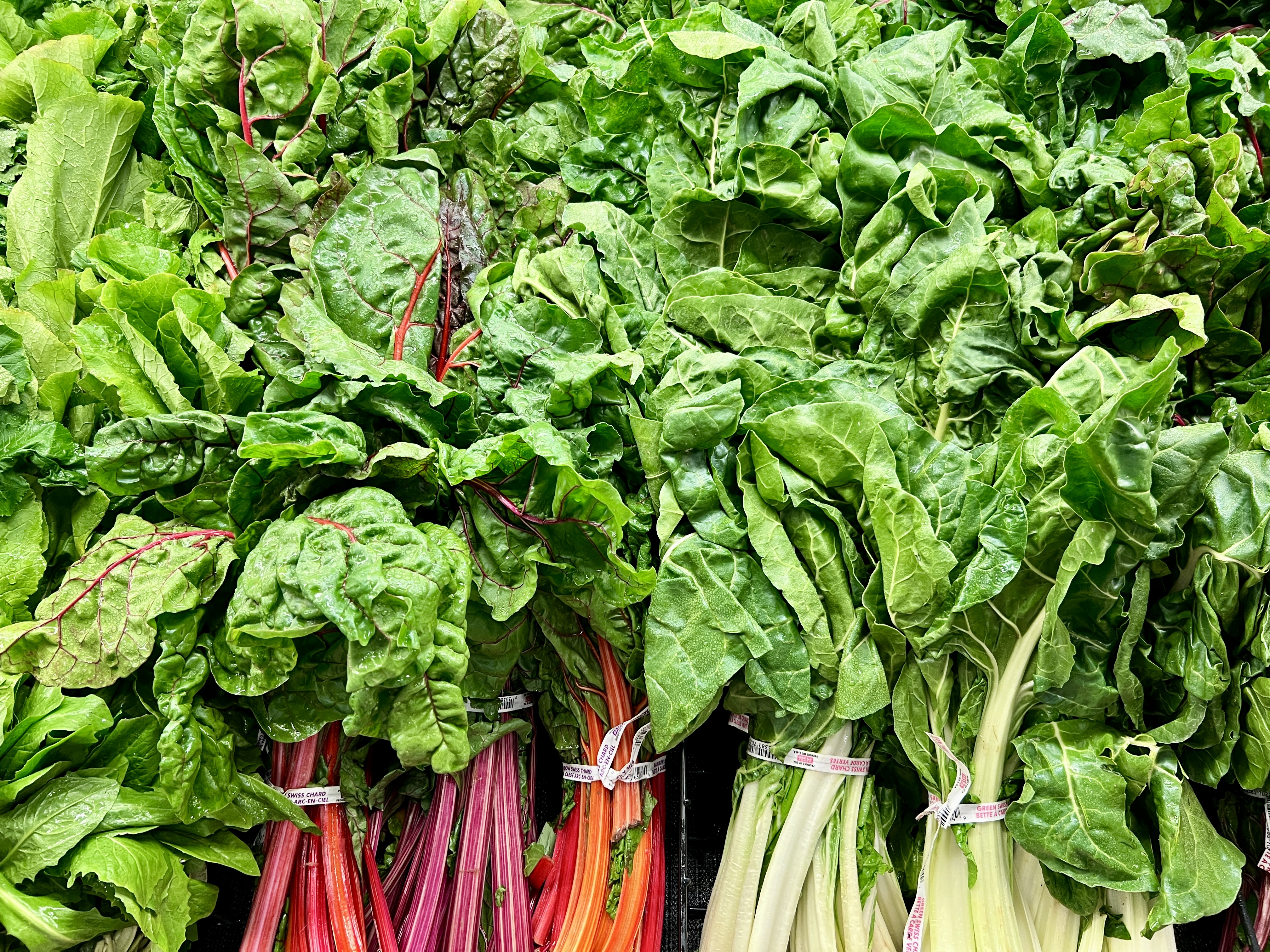
Folk medicine has been used for generations to support health, ease discomfort, and care for the body naturally. Many people turn to folk medicine because it feels familiar, comforting, and connected to family traditions. However, if we want to achieve the desired effect from plants, fruits, herbs, honey, garlic, lemon, ginger, aloe vera, or other natural remedies, we need to do more than simply repeat old recipes. We need to research how each remedy works, how it should be prepared, and how to use it safely.
What Is Folk Medicine?
Folk medicine is traditional health knowledge passed down through families, cultures, and communities. It may include herbal teas, plant extracts, honey, lemon, garlic, ginger, aloe vera, onion peel, oak bark, cupping therapy, bath rituals, and many other natural practices.
For many people, folk medicine brings a sense of comfort because it reminds them of parents, grandparents, and simple home care. Nevertheless, natural remedies can still be powerful. Therefore, it is important to remember that “natural” does not always mean harmless, and “traditional” does not always mean proven.
Why Folk Medicine Needs More Research
One of the most important things to understand about folk medicine is that every plant, fruit, and herb can be different. Its strength may depend on where it grew, when it was harvested, how it was dried, how it was stored, and how it was prepared.
For example, one cup of herbal tea may be mild, while another may be much stronger. Similarly, fresh aloe vera may not work the same way as a prepared aloe gel, and homemade onion peel decoction may not contain the same amount of active compounds as an extract used in a scientific study.
As a result, if we want a specific health effect, we need to learn more about the remedy first. What part of the plant is used? How much is safe? How often should it be taken? Are there side effects? Can it interact with medication? These questions matter because the goal is not just to use folk medicine, but to use it wisely.
How Folk Medicine and Science Can Work Together
Folk medicine and modern science are not enemies. In fact, many modern medicines were inspired by plants and traditional remedies. Scientists have studied natural substances for centuries and discovered powerful compounds that later became important treatments.
This shows that traditional knowledge can be valuable. However, it also shows why research matters. A plant may have healing potential, but we still need to understand the correct dose, preparation method, safety, and real effect on the body.
In other words, folk medicine can open the door, but research helps us understand what is truly behind it.
Folk Medicine for Colds: Chicken Broth
Chicken broth is one of the most loved folk medicine remedies for colds. It is warm, nourishing, and comforting. When we are sick, even the feeling of being cared for can help us feel better.
In addition, broth may support hydration and provide easy-to-digest nutrients. Some research also suggests that chicken broth may have mild anti-inflammatory effects. However, this does not mean it can cure a cold or replace medical treatment.
Therefore, chicken broth can be enjoyed as supportive care. It may comfort the body, but it should not be seen as a guaranteed cure.
Folk Medicine for Cough: Honey
Honey is a beautiful example of a folk medicine remedy that may offer real comfort. It can soothe the throat and may help calm certain types of coughs.
However, not every cough is the same. A short-term cough from a cold is different from a chronic cough, asthma-related cough, or cough caused by infection. Also, honey should never be given to children under one year old.
Before using honey as a remedy, it is helpful to research when it may work, how much is appropriate, and when it is better to speak with a doctor.
Folk Medicine for Wounds: Plantain
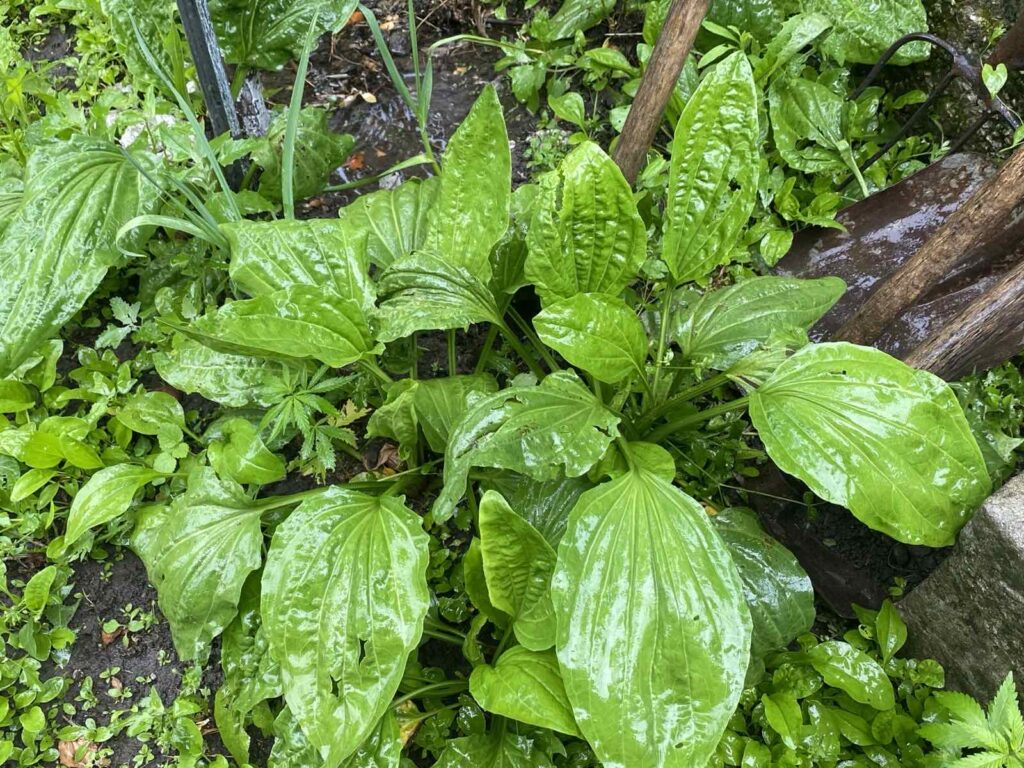
Plantain leaves have been used in folk medicine for cuts, scrapes, and insect bites. This plant has been studied for possible wound-healing and antimicrobial properties, which makes it interesting from both a traditional and scientific point of view.
However, placing a fresh leaf from outside directly on an open wound is not always safe. Dirt, bacteria, or pesticides may be present on the plant. Because of this, it is important to learn how plantain should be cleaned, prepared, and applied.
Plantain may have potential for minor skin concerns, but deep cuts, infected wounds, burns, or slow-healing sores need professional care.
Folk Medicine and Onion Peel Decoction
Onion peel is often overlooked, but it contains plant compounds such as quercetin and other antioxidants. Because of this, researchers have become interested in its possible health benefits.
Still, many studies on onion peel are done in laboratories or on animals. Therefore, we cannot automatically assume that drinking onion peel decoction will produce the same effects in people.
Onion peel may have potential, but before using it for a health goal, it is worth researching the dose, preparation method, safety, and available human evidence.
Folk Medicine for Teeth and Gums: Oak Bark
Oak bark has traditionally been used in folk medicine as a mouth rinse because it contains tannins, which may have antimicrobial properties. This sounds promising, especially for gum and oral care.
However, homemade rinses can vary in strength. A rinse made at home may not have the same concentration as one used in a study or prepared in a controlled way.
Therefore, oak bark may be a helpful addition to oral care, but it should not replace brushing, flossing, dental cleanings, or treatment from a dentist.
Folk Medicine for Skin: Aloe Vera
Aloe vera is one of the most popular folk medicine remedies for burns, skin irritation, and minor wounds. Many people love it because it feels cooling and soothing.
Research suggests that aloe may support skin healing. However, aloe products can be very different from one another. Fresh aloe, bottled aloe gel, creams, and extracts may all have different ingredients and strengths.
Before using aloe vera, check the quality of the product and watch for skin reactions. Serious burns, infected wounds, or skin problems that do not improve should always be checked by a medical professional.
Folk Medicine for Immunity: Garlic, Lemon, and Ginger
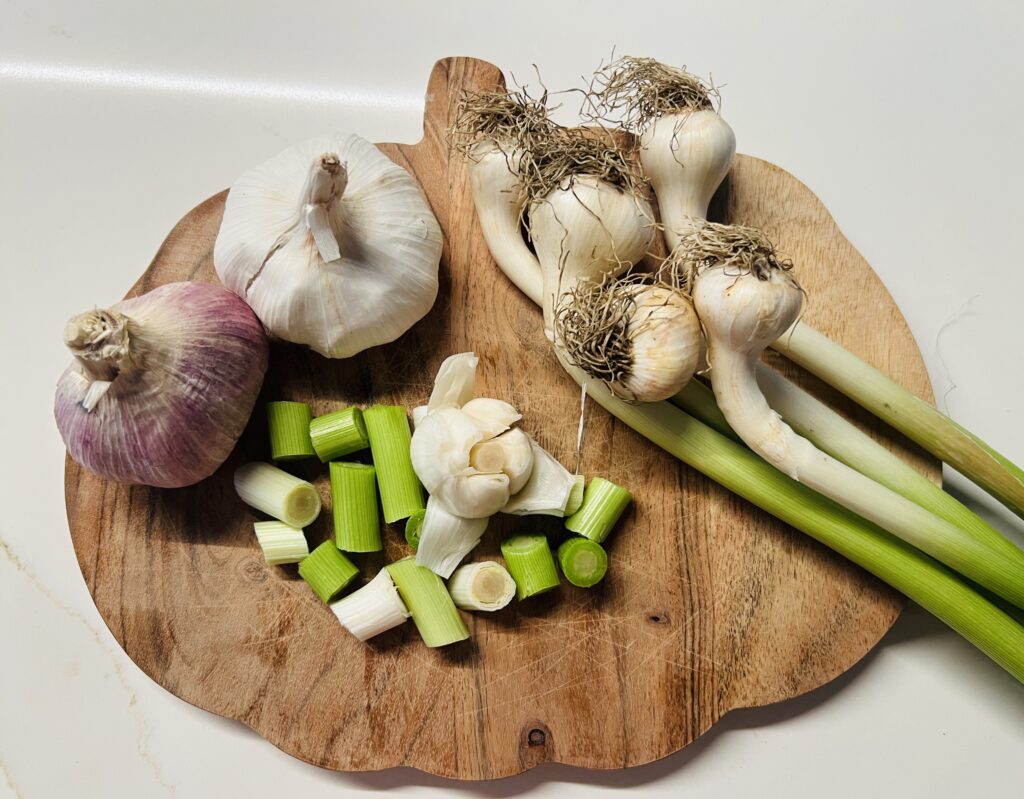
Garlic, lemon, and ginger are probably among the most common folk medicine ingredients for colds and immunity. They are healthy foods and can be wonderful additions to the diet.
However, their effects are often exaggerated. Garlic is not a guaranteed cold-prevention remedy. Lemon contains vitamin C, but not enough to replace the higher doses used in many vitamin C studies. Ginger may support digestion, inflammation, and cough relief, but it is not a cure for viral infections.
So, enjoy garlic, lemon, and ginger in teas, meals, and home remedies. At the same time, remember that they support wellness best when used as part of a balanced lifestyle, not as miracle cures.
Folk Medicine and Cupping Therapy
Cupping is a traditional folk medicine practice that many people use for muscle pain, tension, and recovery. Some people feel relief after cupping, while others may not notice much difference.
At the same time, cupping can cause bruising, skin irritation, and discomfort. It may not be suitable for everyone, especially people with skin conditions, blood disorders, or other medical concerns.
Before trying cupping, it is wise to research the possible benefits and risks and choose a trained practitioner.
Grandma’s Chamomile Secrets: A Conversation Across Generations
Why Dosage Matters in Folk Medicine
With folk medicine, the way a remedy is prepared matters just as much as the remedy itself. A tea, tincture, powder, capsule, fresh plant, or essential oil can all affect the body differently.
Dosage also matters. Too little may do nothing, while too much may cause side effects. This is especially true with concentrated extracts, essential oils, and strong herbs.
For this reason, “more” is not always better. A natural remedy should be treated with respect because it may contain active compounds that affect the body.
Using Folk Medicine Safely
Folk medicine can be comforting and helpful for mild symptoms, everyday wellness, and simple home care. However, it should not replace medical treatment when something serious is happening.
If you have a high fever, severe pain, breathing problems, an infected wound, a strong allergic reaction, or symptoms that keep getting worse, it is important to speak with a doctor.
Natural remedies can support the body, but proper diagnosis and treatment are sometimes necessary.
Final Thoughts on Folk Medicine
Folk medicine carries the wisdom of generations, and many plants, fruits, herbs, and natural ingredients deserve our attention. However, to achieve the desired effect, we need to become curious and informed.
Before using a natural remedy, take time to research it. Learn how it works, how it should be prepared, what dose is safe, and whether there is scientific evidence behind it.
The best approach is not to reject tradition or blindly follow it. Instead, we can respect folk medicine while also asking thoughtful questions. When tradition and research work together, natural wellness becomes safer, wiser, and more meaningful.
What folk medicine remedy did your family use when you were growing up, and have you ever researched how it actually works?



Leave a Comment