
No products in cart
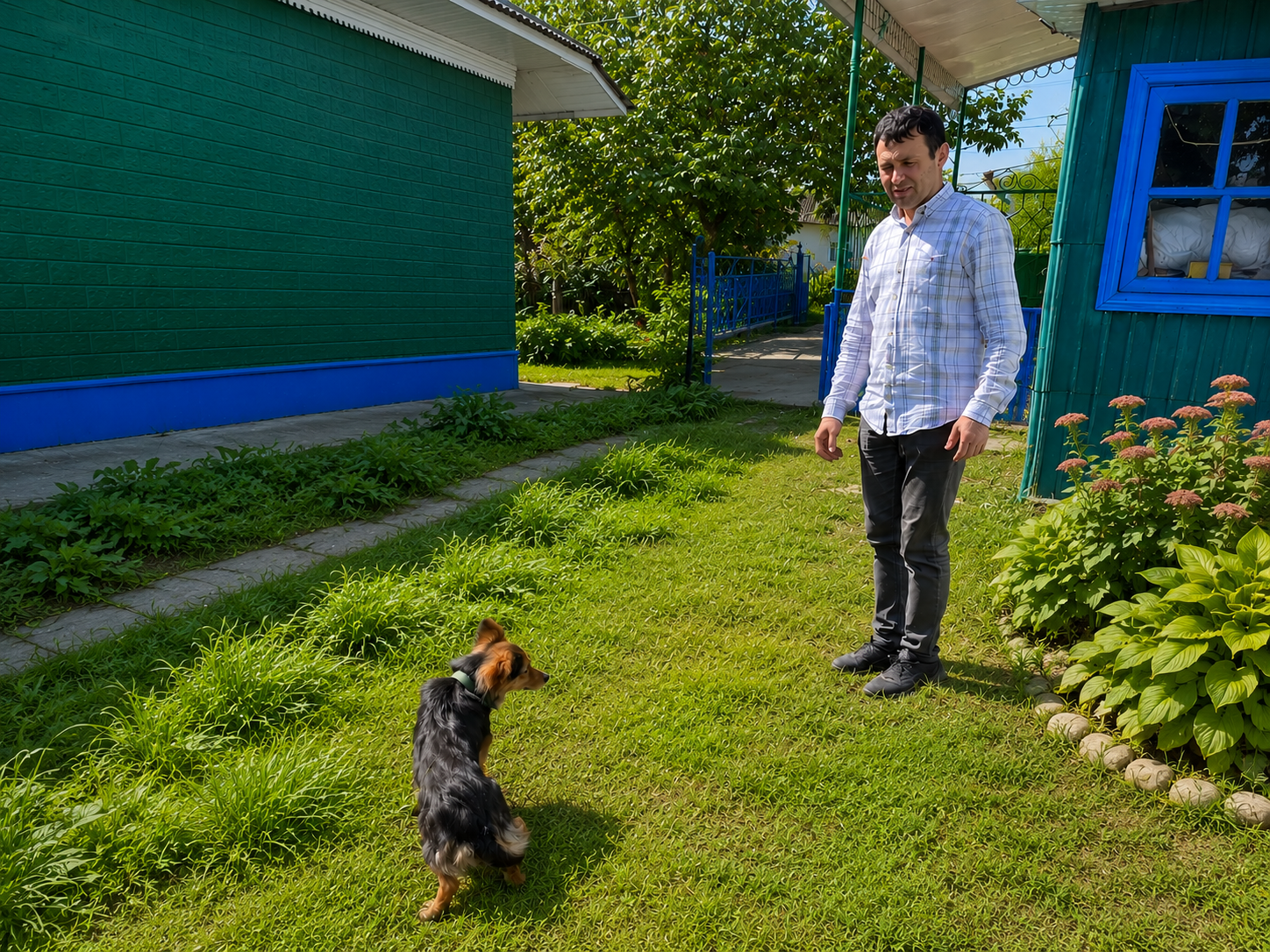
Allergies in dogs are more common than many pet owners realize. A dog may react to food, flea bites, pollen, dust mites, medications, shampoos, or even household cleaning products. While some symptoms may seem mild at first, allergies should never be ignored. Constant itching, red skin, ear infections, digestive problems, or swelling can seriously affect your dog’s comfort, sleep, and overall quality of life.
The good news is that with proper veterinary care, many dogs with allergies can live happy, active, and comfortable lives. The key is to recognize the signs early, find the trigger, and create a care plan that works for your pet.
What Are Allergies in Dogs?
An allergy is an overreaction of the immune system to something that is normally harmless. This substance is called an allergen. A dog may inhale an allergen, eat it, absorb it through the skin, or come into contact with it through the eyes, nose, ears, or paws. When the immune system mistakenly treats that substance as a threat, it releases inflammatory chemicals such as histamine. This can lead to itching, redness, swelling, digestive upset, ear inflammation, and other symptoms.
Allergies in dogs are usually chronic, meaning they may come back again and again. Some dogs have symptoms all year, while others only react during certain seasons, such as spring or fall.
Why Do Allergies Develop in Dogs?
The exact reason why some dogs develop allergies is still not fully understood. Veterinarians and researchers believe several factors may play a role, including genetics, environment, stress, skin barrier health, and exposure to certain allergens.
Allergies can affect dogs of any age, breed, or size. However, some breeds seem to experience allergic skin problems more often, especially dogs prone to atopic dermatitis.
Breeds commonly associated with allergies include:
- Boston Terriers
- West Highland White Terriers
- Labrador Retrievers
- Golden Retrievers
- French Bulldogs
- English Bulldogs
- Bull Terriers
- German Shepherds
- Cocker Spaniels
- Dachshunds
- Boxers
- Shar Peis
- Collies
This does not mean every dog from these breeds will develop allergies. It simply means owners of these breeds should pay extra attention to skin, ears, paws, and digestion.

Common Types of Allergies in Dogs
There are several types of allergies in dogs, and sometimes a dog may suffer from more than one at the same time. This is one reason diagnosis can take time.
Food Allergies in Dogs
Food allergies happen when a dog’s immune system reacts to a certain ingredient in the diet. Most often, the trigger is a protein source. Food allergies can cause itching, ear infections, skin irritation, vomiting, diarrhea, gas, or frequent bowel movements.
Common food allergens may include:
- Beef
- Chicken
- Lamb
- Eggs
- Wheat
- Soy
- Corn
- Milk and dairy products
However, food allergies are very individual. One dog may react to chicken, another to beef, and another to dairy or grains. Some dogs may also experience cross-reactions between similar proteins. For example, a dog allergic to beef may also react to lamb.
It is important to remember that not every dog is allergic to these foods. Many dogs eat them without any problem.
Environmental Allergies and Atopic Dermatitis
Environmental allergies are often linked to atopic dermatitis, a chronic inflammatory skin condition. These allergies may be caused by substances in the dog’s surroundings, such as:
- Dust mites
- Pollen
- Mold spores
- Grass
- Trees
- Weeds
- Household dust
Some dogs have seasonal symptoms, while others itch throughout the year. Environmental allergies often affect the paws, ears, belly, armpits, groin, muzzle, and around the eyes.
Flea Allergy Dermatitis
Flea allergy dermatitis is one of the most common allergies in dogs. It is caused by a reaction to proteins in flea saliva. Even one flea bite can cause intense itching in a sensitive dog.
Dogs with flea allergies may scratch, bite, or lick their skin constantly. Hair loss, redness, scabs, and skin infections may develop, especially around the lower back, tail base, belly, and thighs.
Regular flea and parasite prevention is one of the best ways to protect your dog from this type of allergy.
Medication Allergies
Some dogs may have allergic reactions to medications, including antibiotics or certain vitamins. A reaction may happen after one dose or after repeated use.
If your dog develops swelling, rash, vomiting, diarrhea, facial puffiness, breathing difficulty, or sudden weakness after taking medication, contact a veterinarian immediately. Never stop, change, or replace prescribed medicine without veterinary guidance.
Household and Contact Allergies
Dogs can also react to products they touch, such as shampoos, cleaning sprays, laundry detergents, floor cleaners, flea collars, lawn chemicals, or grooming products.
To reduce risk, choose gentle, pet-safe, hypoallergenic products whenever possible. Avoid strong fragrances, harsh cleaners, and unnecessary chemical exposure around your dog’s bedding, toys, bowls, and sleeping areas.
Symptoms of Allergies in Dogs
The most common symptom of allergies in dogs is itching. Some dogs scratch constantly, while others lick their paws, rub their face on furniture, chew at their skin, or shake their head because their ears are irritated.
Common signs of dog allergies include:
- Constant scratching or licking
- Red, irritated, or inflamed skin
- Rashes, bumps, or hives
- Dry, flaky, or crusty skin
- Hair loss or thinning coat
- Swelling of the face, lips, ears, eyelids, or muzzle
- Watery, red, or itchy eyes
- Sneezing, coughing, or clear nasal discharge
- Ear infections or bad odor from the ears
- Brown or yellow discharge from the ears
- Vomiting or diarrhea
- Gas or bloating
- Low energy
- Restlessness or trouble sleeping
In veterinary dermatology, itching is often rated on a scale from 0 to 10. If your dog’s itching is strong enough to interrupt sleep, walks, eating, or play, it is time to see a veterinarian.

Why You Should Not Ignore Itching
Many owners think itching is just a small discomfort, but long-term itching can greatly reduce a dog’s quality of life. A dog with allergies may scratch all day and all night. Over time, this can lead to wounds, skin thickening, hair loss, infections, pain, and exhaustion.
Allergic dogs are also more likely to develop secondary bacterial or fungal skin infections. When the skin barrier becomes weak, normal skin microbes can grow too much and create inflammation.
Another serious concern is antibiotic resistance. If antibiotics are used too often or without proper veterinary supervision, bacteria can become resistant. This can make future infections much harder to treat. For this reason, it is very important not to self-medicate your dog.
How Allergies in Dogs Are Diagnosed
If you suspect your dog has allergies, the best first step is a visit to the veterinarian, preferably a veterinary dermatologist if symptoms are severe or ongoing. Diagnosis usually begins with a full exam and a detailed history. Your veterinarian may ask about your dog’s food, treats, medications, parasite prevention, grooming products, home environment, seasonal changes, and when symptoms first appeared. The veterinarian may also rule out other conditions that can look similar to allergies, such as:
- Fleas
- Mites
- Mange
- Yeast infections
- Bacterial skin infections
- Hormonal conditions
- Food intolerance
- Ear disease
Because many conditions cause itching, proper diagnosis is important before choosing treatment.
Food Allergy Testing and the Elimination Diet
Food allergies in dogs are usually diagnosed with an elimination diet. This does not simply mean changing the brand of food. It means feeding your dog a carefully selected diet with ingredients they have never eaten before, or using a veterinary hydrolyzed diet. Usually, the diet includes one new protein source and one new carbohydrate source. For example, if your dog has never eaten duck, rabbit, or a specific veterinary diet, your veterinarian may choose one of those options.
During the elimination diet, your dog must not eat anything outside the plan. This includes treats, table scraps, flavored medications, chews, bones, and snacks. Even a small amount of the wrong ingredient can affect the results. An elimination diet usually lasts about 8 to 12 weeks. If symptoms improve, the veterinarian may recommend slowly reintroducing old foods to identify the trigger.
Can Dog Allergies Be Cured?
Most allergies in dogs cannot be completely cured, but they can often be managed very well. The goal is to reduce itching, prevent infections, strengthen the skin barrier, avoid known triggers, and keep the dog comfortable. Treatment depends on the type of allergy and may include:
- Diet changes
- Flea and parasite prevention
- Medicated or hypoallergenic shampoos
- Ear treatment
- Anti-itch medications
- Skin barrier support
- Omega-3 and omega-6 fatty acids
- Environmental control
- Veterinary allergy testing
- Immunotherapy in some cases
Because every dog is different, treatment should be personalized by a veterinarian.
First Aid: What to Do If Your Dog Has an Allergic Reaction
If your dog shows mild itching, redness, licking, or digestive symptoms, schedule a veterinary appointment and avoid giving new foods, treats, shampoos, or medications until you receive guidance.
If your dog has facial swelling, trouble breathing, severe weakness, collapse, repeated vomiting, or swelling around the throat or muzzle, treat it as an emergency and go to a veterinary clinic right away. These may be signs of a serious allergic reaction.
Before you reach the clinic, keep your dog calm, avoid unnecessary movement, and offer water if the dog can drink safely. Do not give human medication unless a veterinarian specifically tells you to do so and gives you the correct dose for your dog.
How to Care for a Dog With Allergies
Caring for a dog with allergies requires patience, consistency, and gentle daily habits. Once your veterinarian creates a treatment plan, follow it closely and keep track of your dog’s symptoms. Helpful care tips include:
- Use only veterinarian-approved shampoos and grooming products.
- Keep your dog on regular flea and tick prevention.
- Wash bedding often with gentle, fragrance-free detergent.
- Wipe paws after walks during pollen season.
- Avoid feeding table scraps or random treats.
- Follow the elimination diet exactly if prescribed.
- Use soft brushes that do not irritate the skin.
- Check the ears regularly for odor, redness, or discharge.
- Keep your home clean and reduce dust when possible.
- Return for follow-up visits if symptoms come back.
Allergic skin can be sensitive, so gentle care matters. Avoid harsh brushing, strong fragrances, and frequent product changes.
How to Help Prevent Allergy Flare-Ups
It is not always possible to prevent allergies in dogs, especially if genetics or environmental triggers are involved. However, you can reduce the chances of flare-ups by supporting your dog’s skin, digestion, and overall health.
Choose high-quality food with easily digestible protein. Keep parasite prevention up to date. Avoid unnecessary exposure to harsh chemicals. Use pet-safe grooming products. Also, pay attention to early signs, such as paw licking, ear scratching, red skin, or digestive changes.
The earlier you respond to symptoms, the easier it is to manage allergies before they become severe.
Final Thoughts…
Allergies in dogs can be frustrating, both for pets and their owners. Watching your dog scratch, lick, lose sleep, or suffer from repeated ear infections is stressful. However, with the right diagnosis and care plan, many allergic dogs feel much better.
If your dog is constantly itchy, has recurring ear problems, develops red skin, or reacts after eating certain foods, do not ignore it. A veterinarian can help identify the cause, relieve discomfort, and guide you toward the best long-term care.
Your dog depends on you to notice the signs early. With patience, gentle care, and professional support, allergies can become manageable instead of overwhelming.
Has your dog ever struggled with allergies, itching, or food sensitivities? What signs did you notice first?





Leave a Comment