
No products in cart
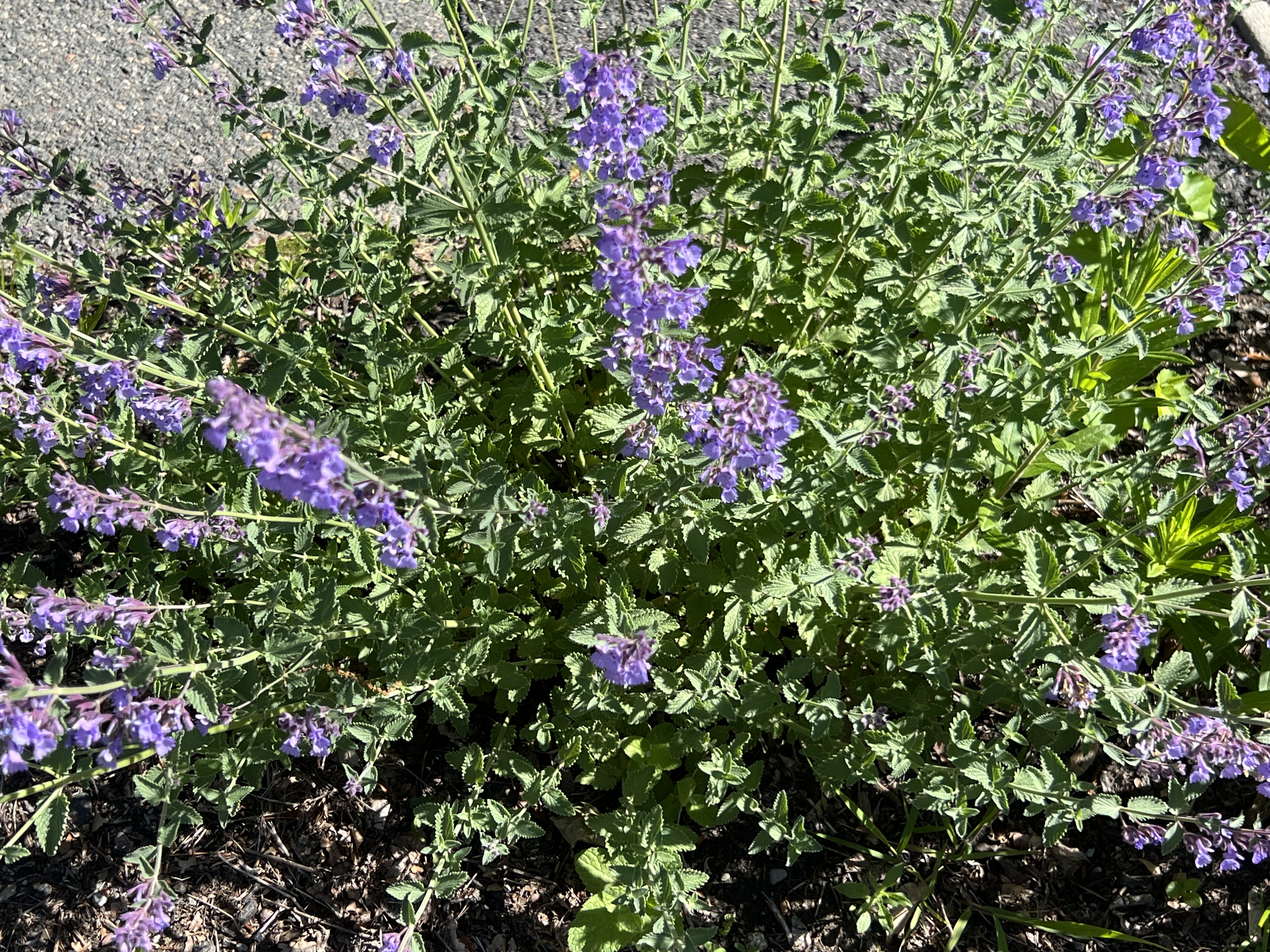
Essential oils are highly concentrated plant extracts made from flowers, leaves, stems, roots, peels, or fruits. Because they contain powerful aromatic compounds, essential oils are widely used in aromatherapy, skincare, massage, home fragrance, and even cooking when they are labeled safe for internal use. However, since they are very strong, it is important to understand how essential oils work and how to use them properly.
What Are Essential Oils?
Essential oils are natural extracts that plants produce and store in different parts of their structure. They have strong scents, evaporate easily at room temperature, and contain many active compounds. This ability to evaporate is one reason they are called “essential” oils.
In the past, essential oils were used in rituals, ceremonies, natural remedies, and perfumes. Today, they are still valued for their fragrance, mood-supporting qualities, and practical uses around the home.
Benefits of Essential Oils in Everyday Life
Essential oils can be used in many different ways depending on the scent, quality, and method of application. For example, some oils are used to create a relaxing atmosphere, while others are chosen for freshness, focus, or skincare support.
In aromatherapy, essential oils work mainly through the sense of smell. Their scents may help create a calming, refreshing, or uplifting environment. Lavender, citrus, eucalyptus, and peppermint are among the most popular choices for this purpose.
Essential oils are also commonly used in massage, but they should always be diluted with a carrier oil, such as coconut oil, almond oil, jojoba oil, or olive oil. This helps protect the skin from irritation while still allowing the oil’s aroma and properties to be enjoyed.
In addition, essential oils are often found in natural cosmetics, hair care products, soaps, cleaning products, and room sprays. Tea tree, rosemary, rose, mint, lemon, and orange are especially common in beauty and home products.
Essential Oils vs. Aroma Oils: What Is the Difference?
Although the names sound similar, essential oils and aroma oils are not always the same. Essential oils are pure, concentrated plant extracts. Aroma oils, on the other hand, are often blends that may contain essential oils mixed with carrier oils, fragrance ingredients, or other substances.
Therefore, if you are looking for therapeutic or wellness-related use, pure essential oils are usually the better choice. However, if your goal is simply to make your home smell pleasant and cozy, aroma oils can be a more affordable and gentle option.
Essential oils are often used in aromatherapy, skincare, massage, and natural wellness routines. Aroma oils are more commonly used for candles, soaps, room sprays, shower gels, and home fragrance products.
How Essential Oils Are Made
Essential oils are extracted from plants using several different methods. The method depends on the type of plant and the part being used.
One of the most common methods is steam distillation. During this process, steam passes through plant material and helps release the aromatic compounds. The steam is then cooled into liquid, creating a mixture of water and essential oil. Since the oil does not mix with water, it rises to the surface and can be separated.
Another common method is cold pressing, especially for citrus oils such as lemon, orange, and grapefruit. In this process, the peel of the fruit is mechanically pressed to release the fragrant oil.
Some delicate plants require solvent extraction. This method uses substances such as alcohol or carbon dioxide to draw out the aromatic compounds. Carbon dioxide extraction is a more modern method that uses pressure to collect the oil while preserving many of the plant’s natural qualities.
Popular Essential Oils and Their Uses
Choosing the right essential oils depends on the mood or effect you want to create. Some scents are calming, while others are refreshing, romantic, warm, or energizing.
Lavender Essential Oil for Relaxation
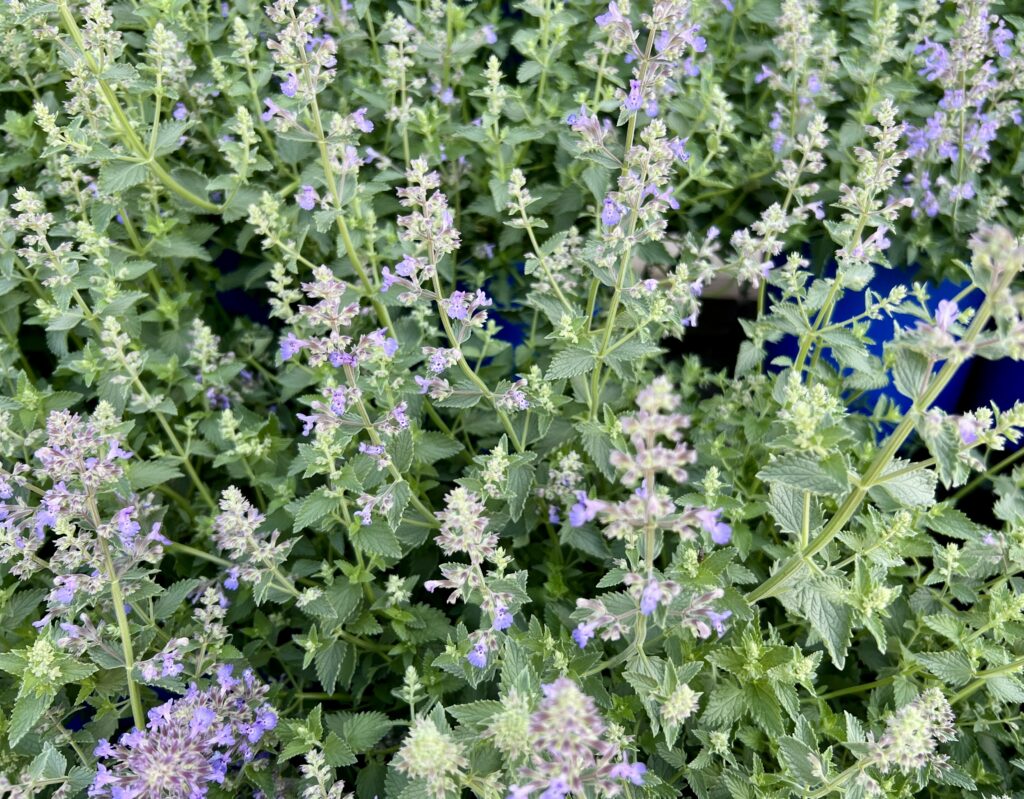
Lavender essential oil is one of the most popular oils for relaxation and sleep. It is often used in bedrooms because its soft floral scent helps create a peaceful and cozy atmosphere. Many people also use lavender after a long day to support calmness and evening rest.
Lavender has also been traditionally used for minor skin concerns because of its soothing and antiseptic qualities. However, it should still be diluted before applying it to the skin.
Eucalyptus Essential Oil for Freshness
Eucalyptus essential oil has a clean, refreshing scent. It is often used in bathrooms, home sprays, and diffusers when a space needs to feel fresh and clear. In addition, eucalyptus can help create a cooling feeling, which makes it especially pleasant during warm weather.
Because of its crisp aroma, eucalyptus is also a good choice when you want to support focus and concentration.
Citrus Oils for Energy
Citrus essential oils, such as lemon, orange, and grapefruit, are bright, cheerful, and energizing. They are excellent for kitchens, living rooms, and workspaces because they can help neutralize unpleasant odors and make the air feel fresh.
Lemon essential oil is often used in natural cleaning products because of its clean scent. Orange essential oil, meanwhile, brings warmth and brightness into a room. Grapefruit essential oil is especially useful when you want a fresh, uplifting aroma that supports motivation and focus.
Vanilla Aroma for Comfort
Vanilla is warm, sweet, and comforting. Although vanilla is often used as an aroma oil rather than a pure essential oil, it is still very popular for creating a cozy home atmosphere.
This scent works especially well in kitchens and living rooms. It adds softness to a space and may help create a feeling of comfort, calm, and relaxation.
Sage Essential Oil for Calm Spaces
Sage has an earthy, grounding scent. Traditionally, sage has been used to refresh and cleanse a space. Today, many people use sage-inspired scents in meditation rooms, reading corners, or quiet areas of the home.
Because of its calming aroma, sage can be a good choice when you want to create a peaceful environment for rest or reflection.
Rose Essential Oil for Mood and Beauty
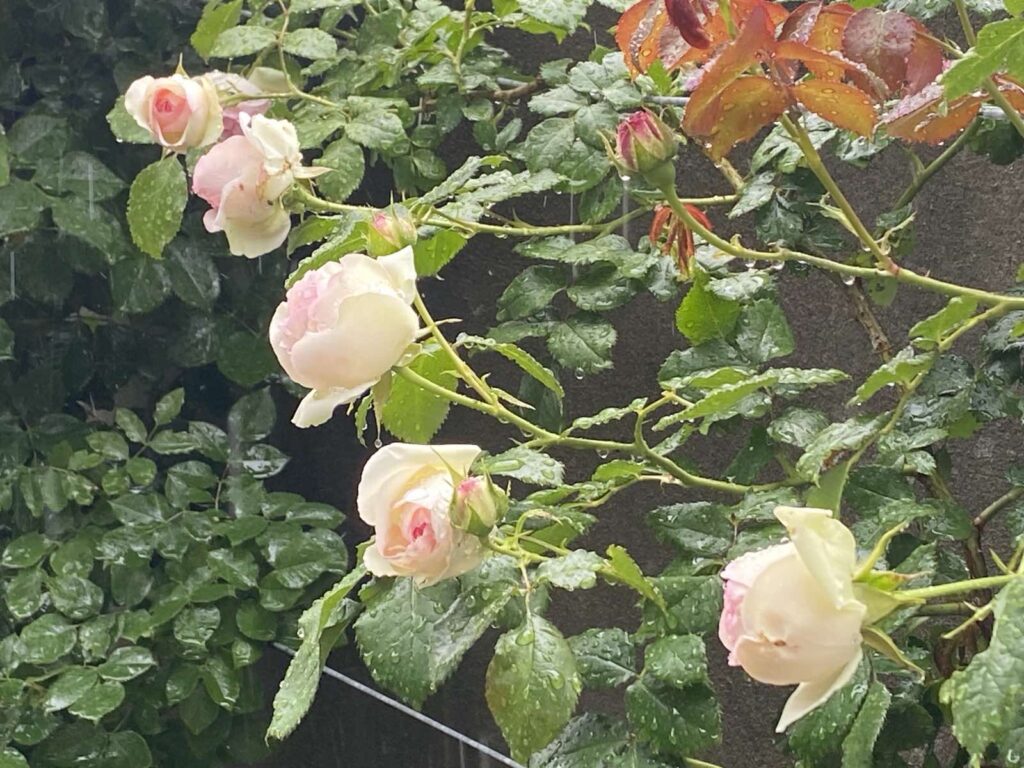
Rose essential oil is associated with romance, elegance, and emotional balance. Its sweet floral scent can make bedrooms and bathrooms feel softer and more luxurious.
In addition, rose is often used in skincare products because it is linked with soothing and moisturizing beauty routines. Its scent may also help create a gentle, comforting mood.
Jasmine Essential Oil for Confidence
Jasmine essential oil has a rich floral aroma and is often connected with romance, confidence, and emotional warmth. It is commonly used in bedrooms, baths, and personal care products.
Because jasmine has a deep and elegant scent, it can help create a peaceful yet uplifting atmosphere.
Cinnamon Essential Oil for Warmth
Cinnamon essential oil has a spicy, sweet, and warming scent. It is especially popular during colder months because it makes a room feel cozy and inviting.
However, cinnamon oil is very strong and can irritate the skin, so it should be used carefully and properly diluted. For home fragrance, it works well in living rooms, entryways, and seasonal blends.
How to Use Essential Oils Safely
Although essential oils are natural, they are also highly concentrated. Therefore, they should be used with care.
First, avoid applying essential oils directly to the skin without diluting them in a carrier oil. Second, do not ingest essential oils unless the product is specifically labeled as safe for internal use and you have proper guidance. Also, keep essential oils away from children, pets, eyes, and sensitive areas.
If you are pregnant, breastfeeding, have allergies, asthma, or a medical condition, it is best to speak with a qualified professional before using essential oils. Additionally, always test a small amount on the skin before using a new oil more widely.
Final Thoughts on Essential Oils
Essential oils can be a beautiful addition to daily life when used properly. They can freshen a room, support relaxation, improve the atmosphere at home, and add natural fragrance to beauty or wellness routines.
However, the best results come from choosing quality essential oils, using them safely, and selecting scents that match your needs. Whether you prefer calming lavender, refreshing eucalyptus, bright citrus, romantic rose, or warm cinnamon, essential oils offer many ways to bring nature-inspired aroma into your everyday routine.
What is your favorite essential oil scent, and how do you like to use it at home?




Leave a Comment