
No products in cart
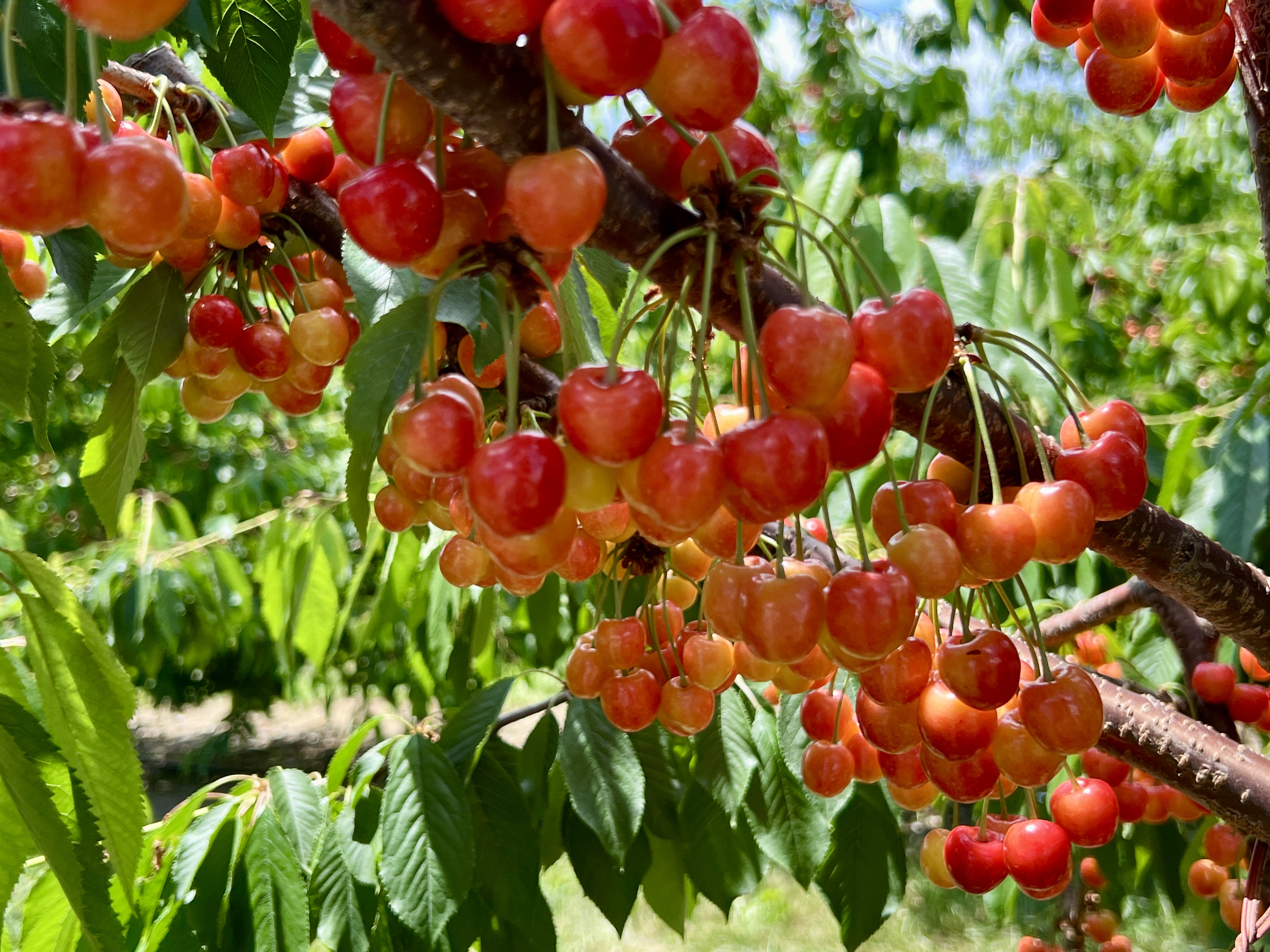
In a world where many of us spend most of our days indoors, surrounded by screens and living increasingly sedentary lives, gardening offers something deeply restorative. More than just a pastime, gardening can become a powerful tool for improving physical health, emotional well-being, cognitive function, and social connection.
This concept is known as horticultural therapy—the use of gardening and plant-based activities to support overall health. Today, therapeutic gardening programs are increasingly used in rehabilitation centers, mental health facilities, senior care communities, and wellness programs because of their proven benefits for both body and mind.
Gardening reconnects us with nature, encourages movement, reduces stress, and provides a sense of purpose that is often missing from modern life.
Physical Benefits: A Natural Way to Stay Active
Gardening is often described as exercise in disguise. Activities such as digging, planting, pruning, weeding, watering, and raking engage multiple muscle groups while improving coordination, flexibility, and balance.
Unlike intense gym workouts, gardening provides moderate physical activity that is accessible to people of all ages, including older adults. Digging and lifting help build strength, while repetitive movements improve mobility and joint flexibility.
Working in the garden also burns calories. Depending on the intensity of the activity, gardening can burn between 135 and 190 calories in just 30 minutes, while more demanding tasks may burn up to 500 calories per hour.
Regular gardening supports cardiovascular health by increasing circulation, helping regulate blood pressure, and encouraging consistent physical activity. Studies have shown that activities like gardening can reduce the risk of heart disease, stroke, and other chronic health conditions associated with inactivity.
Spending time outdoors also promotes healthy vitamin D production through moderate sun exposure, helping maintain strong bones and a healthy immune system.
Better Sleep and Improved Energy
One often-overlooked benefit of gardening is its positive effect on sleep quality.
Exposure to natural daylight helps regulate the body’s internal clock and supports the production of melatonin—the hormone responsible for healthy sleep cycles. Combined with physical activity, gardening can make it easier to fall asleep and enjoy deeper, more restorative rest.
Many gardeners report feeling physically tired yet mentally refreshed after spending time outdoors, a combination that contributes to better sleep and higher daytime energy levels.
A Powerful Stress Reliever
Gardening offers a natural escape from the pressures of daily life.
The repetitive, rhythmic nature of tasks such as weeding, planting, or watering can create a meditative state, helping the mind slow down and focus on the present moment. This form of active mindfulness reduces anxiety and promotes mental clarity.
Research has shown that spending just 30 minutes gardening can significantly lower cortisol levels—the body’s primary stress hormone. In one study, participants who gardened after a stressful task experienced greater improvements in mood and lower stress levels than those who spent the same amount of time reading indoors. Being surrounded by greenery, flowers, and natural sounds further enhances relaxation and emotional well-being.
Nature’s Impact on Mental Health
The benefits of gardening extend beyond stress reduction.
Contact with soil exposes us to beneficial microorganisms, including Mycobacterium vaccae, a naturally occurring bacterium that some research suggests may stimulate the release of serotonin and endorphins—chemicals associated with happiness and emotional balance.
Plants themselves contribute to well-being. Trees and flowers release compounds called phytoncides, which support immune function, while fresh outdoor air contains higher concentrations of oxygen and beneficial negative ions that can boost mood and energy. Even the simple act of watching a seed grow into a thriving plant can foster feelings of accomplishment, hope, and optimism.
Strengthening the Brain and Cognitive Function
Gardening is not only good for the body—it is also excellent exercise for the brain.
Planning a garden, remembering planting schedules, monitoring plant health, and solving problems throughout the growing season all stimulate memory, attention, and critical thinking. Fine motor activities such as sowing seeds, pruning, and transplanting plants help maintain dexterity and support healthy brain function. Research suggests that regular gardening may help reduce the risk of cognitive decline and dementia. Studies following older adults over many years found that those who gardened regularly had a significantly lower risk of developing dementia compared to non-gardeners.
For seniors, gardening offers a unique combination of physical activity, mental stimulation, and emotional engagement—all important factors for healthy aging.
Gardening as Therapy and Rehabilitation
The therapeutic benefits of gardening are increasingly recognized in healthcare settings. Structured horticultural therapy programs are now used in rehabilitation centers, mental health facilities, and senior care communities to support recovery from physical illness, emotional distress, and cognitive challenges. Studies have shown that participation in gardening programs can help reduce symptoms of depression and anxiety while improving mood, emotional regulation, and overall quality of life. For older adults and individuals experiencing cognitive decline, gardening activities have been linked to improved attention, reduced agitation, and greater feelings of independence and purpose.
Building Social Connections and Purpose
Gardening can also strengthen relationships and foster a sense of community.
Community gardens, shared growing spaces, and neighborhood gardening projects bring people together around a common goal. These interactions help reduce loneliness, create meaningful social connections, and increase feelings of belonging.
At a personal level, gardening provides a strong sense of purpose. Caring for living things, nurturing growth, and seeing tangible results from your efforts can improve self-esteem and reinforce a positive outlook on life.
Gardening in a Technology-Driven World
Modern lifestyles have become increasingly disconnected from nature.
Many people spend over 90% of their time indoors, often engaging in sedentary activities that contribute to obesity, cardiovascular disease, poor mental health, and sleep disorders. Gardening offers a simple yet powerful antidote. It reconnects us with natural rhythms, encourages movement, reduces screen time, and provides opportunities for reflection, creativity, and personal growth.
Whether you have a large backyard, a small garden plot, or just a few pots on a balcony, spending time with plants can have a profound impact on your physical and emotional well-being.
Simple Tips for Safe Gardening
To enjoy gardening safely:
- Garden during cooler parts of the day, such as early morning or late afternoon.
- Wear a hat, lightweight clothing, and sunscreen to protect yourself from excessive sun exposure.
- Stay hydrated before, during, and after gardening.
- Use proper lifting techniques and alternate tasks to avoid repetitive strain.
- Wear gloves when handling soil, compost, or sharp tools.
- Wash your hands thoroughly after gardening.
So…
Gardening is far more than a hobby. It is a natural form of exercise, a powerful stress-management tool, a brain booster, and a pathway to greater emotional well-being.
Whether you’re planting vegetables, tending flowers, or simply spending time among greenery, gardening can help you feel healthier, happier, and more connected—to nature, to others, and to yourself. Every seed planted is an investment not only in your garden, but also in your long-term health and quality of life.
What role does nature play in your well-being—and if you had your own garden, what would be the first thing you’d plant?



Teo
Senior Editor and Administrator Teo has a lifelong connection to nature, shaped by his family’s herbal apothecary, which has been passed down through generations. He brings experience in gardening, a deep love for animals, and a strong appreciation for the natural world. In his free time, Teo enjoys hiking and fishing with his family, finding peace, inspiration, and connection in the outdoors.Related Posts
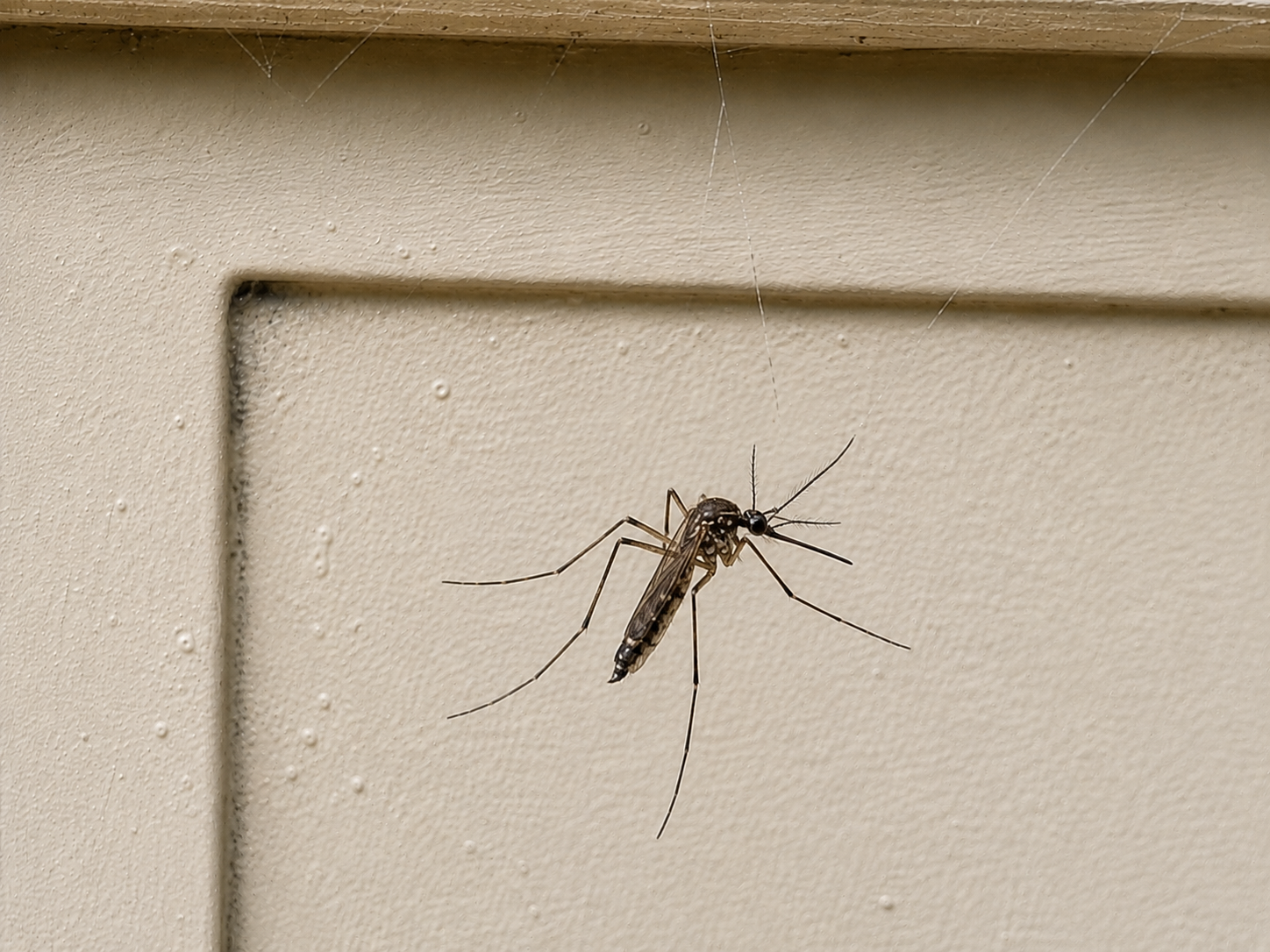
The Natural Mosquito Repellent My Sister-in-Law Swears By
June 24, 2026
Natural mosquito repellents can be a simple, plant-based way to enjoy time outdoors with more comfort. Inspired by a remedy my sister-in-law swears by, this article explores how certain herbs,...
Looking for a Less Stressful Career? Here Are 10 Professions That May Surprise You
June 24, 2026
Looking for a less stressful career can be an important step toward better balance, energy, and overall well-being. While every job has challenges, some professions may offer calmer environments, more...
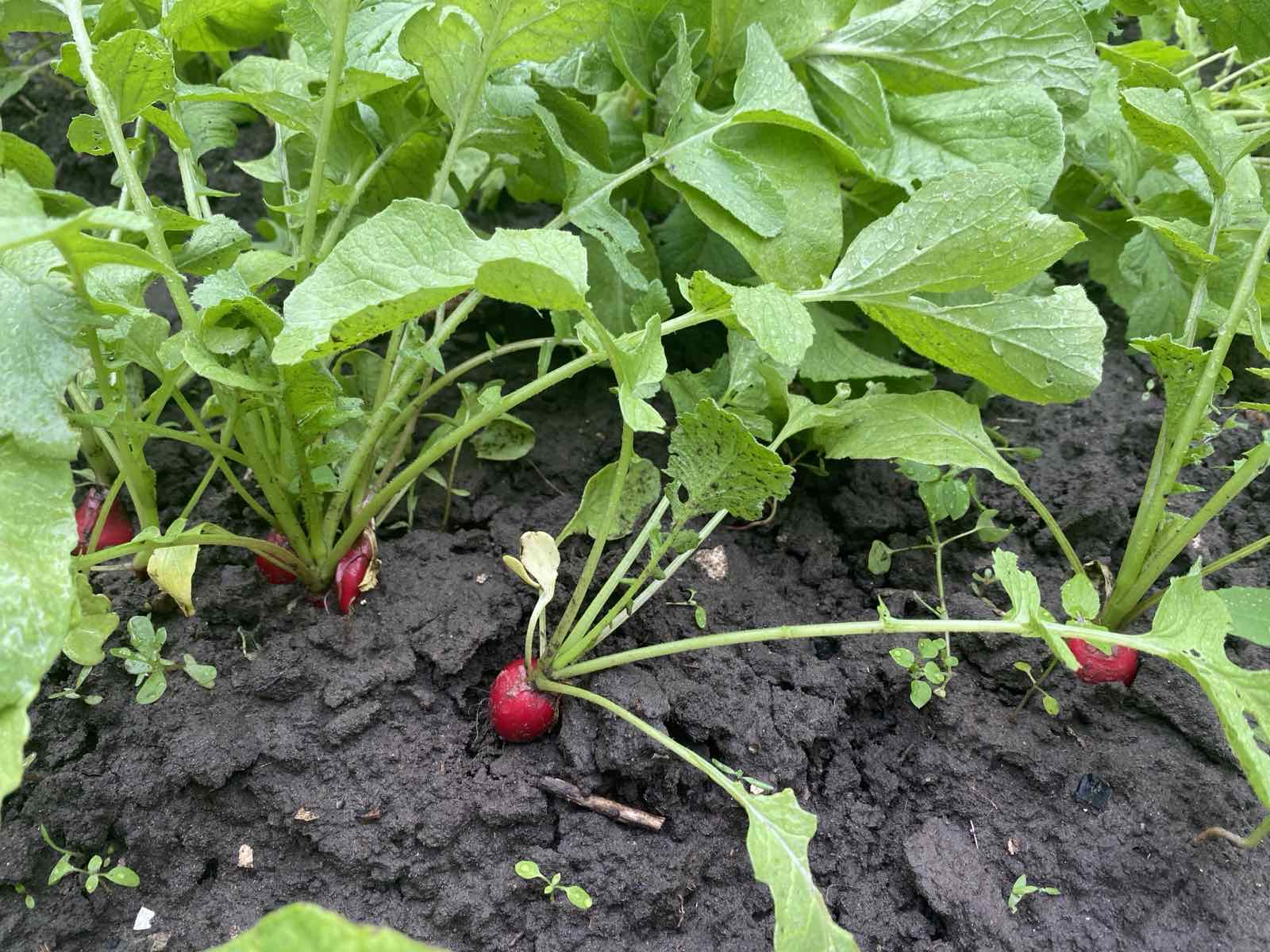
Why Gardening Is One of the Best Things You Can Do for Your Health and Happiness
June 24, 2026
Gardening is more than a relaxing hobby—it can support both physical health and emotional well-being. From gentle movement and fresh air to stress relief, better mood, and a deeper connection...
Leave a Comment