
No products in cart
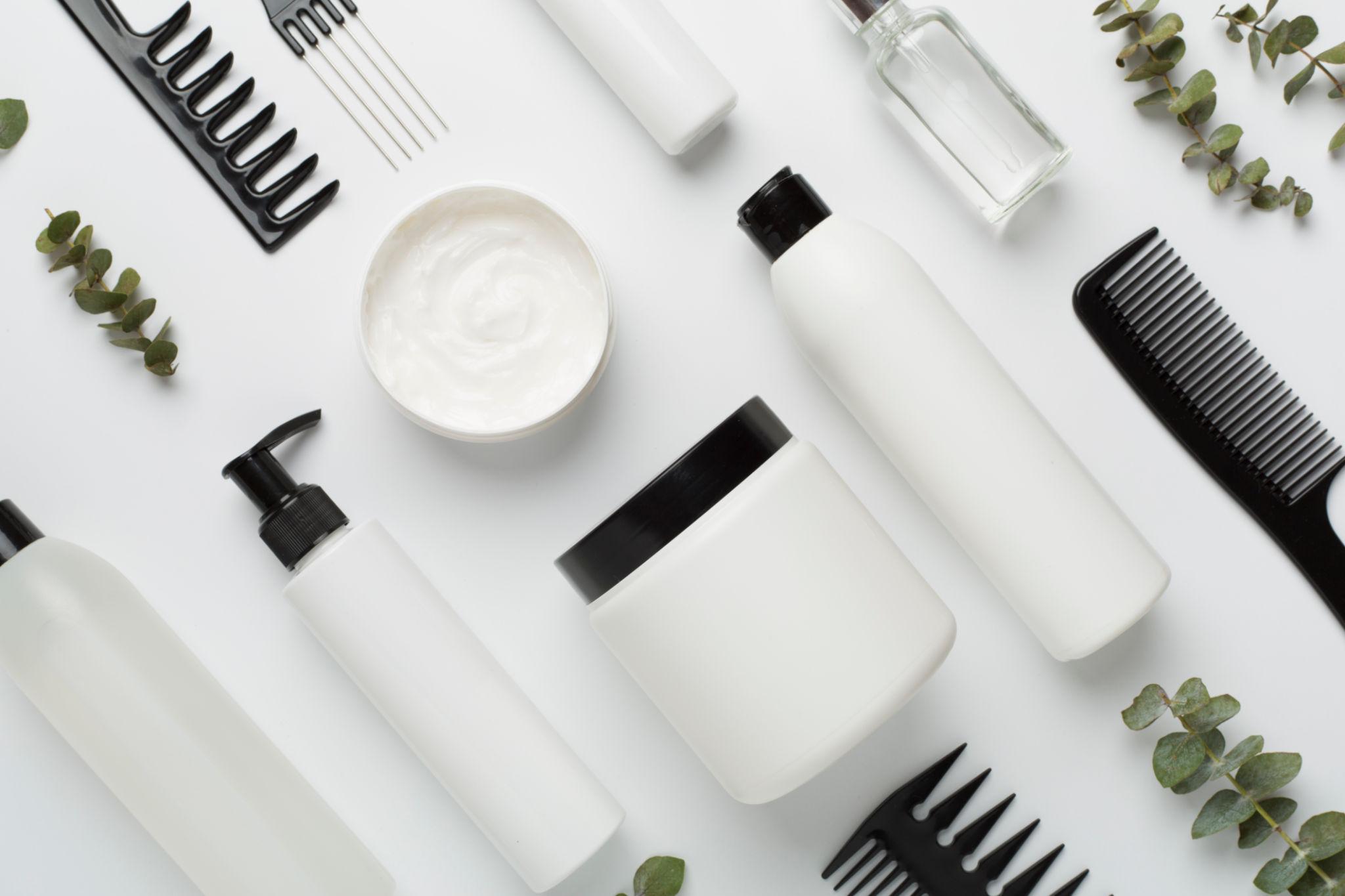
Dermatologists often remind patients that hair needs consistency just as much as skin does. A well-structured hair care routine helps keep strands strong, shiny, smooth, and resilient. Whether your goal is to repair damaged hair, reduce dryness, encourage growth, or simply maintain healthy-looking strands, the right routine can make a noticeable difference.
At-home hair care can be just as effective as salon treatments when the products are chosen correctly and used in the right order. The key is to understand your hair type, care for the scalp, and follow each step regularly.
Understanding Your Hair Type and Needs
Before choosing shampoos, masks, or treatments, it is important to understand your hair type and texture. Just as oily and dry skin need different skincare products, different hair types require different approaches.
Straight hair often looks shinier but can become oily and flat more quickly. Wavy hair may struggle with both dryness and frizz. Curly hair is naturally drier because oils from the scalp have a harder time traveling down the spiral-shaped hair shaft. Coily or kinky hair is usually the most fragile and needs intense hydration and gentle handling to prevent breakage.
Hair texture also matters. Fine hair is easily weighed down by heavy products, medium hair adapts well to many routines, and thick or coarse hair usually benefits from richer, more nourishing formulas.
Common concerns include oily roots and limp strands in straight hair, dryness and tangles in curly or coily hair, brittleness and split ends in chemically processed hair, and thinning or shedding that can occur with any hair type over time.
Hair health also starts from within. A balanced diet rich in protein, iron, vitamins A, C, and D, biotin, and omega-3 fatty acids supports stronger, healthier hair. If your diet is lacking, targeted supplements may help fill nutritional gaps.
Step 1: Brush Before Washing
Brushing is one of the simplest but most important parts of home hair care. Hair should be brushed not only during the day but also before washing. Some shedding during shampooing is normal, but washing tangled hair increases the risk of pulling out healthy new strands without noticing.
The safest way to brush is to start from the ends. Gently detangle the tips while holding the length of the hair, then gradually move upward toward the roots. This method reduces breakage and makes it easier to manage even very tangled hair.
Step 2: Cleanse the Scalp Deeply
Healthy hair begins with a healthy scalp. That is why scalp exfoliation is an important step that many people skip.
Scalp peels may contain exfoliating particles or gentle acids. Both types help remove dead skin cells, cleanse buildup, refresh the scalp, and support healthy hair growth. Acid-based peels are often more delicate because they do not require rinsing out abrasive particles.
When combined with a light scalp massage, exfoliation can also improve microcirculation, which benefits both the scalp and the hair follicles.
A common misconception is that scalp exfoliation is only necessary for oily skin. In reality, dry and sensitive scalps also need gentle exfoliation. Oily scalps may benefit from exfoliation once or twice a week, while dry or sensitive scalps usually need it only once every two weeks.
Step 3: Shampoo Correctly
Shampooing may seem simple, but many people make mistakes that can dry out the hair or irritate the scalp.
Before applying shampoo, lather it in your palms. This helps distribute the product more evenly and makes it gentler on the scalp.
Shampoo should be applied mainly to the scalp and roots, where oil and buildup accumulate. There is no need to scrub the full length of the hair. As you rinse, the foam will naturally cleanse the strands without over-drying them.
Choosing the right shampoo is also essential. Dry, dull, or brittle hair may need moisturizing or nourishing formulas, while oily hair may require deeper cleansing. Fine hair may benefit from volumizing shampoos, while damaged hair may need strengthening ingredients such as biotin, caffeine, or peppermint.
Step 4: Use a Hair Mask
Hair masks provide deeper care than regular conditioners and can deliver results similar to salon treatments when used consistently. They are especially helpful for colored, curly, dry, or damaged hair.
Masks can help restore softness, shine, elasticity, and smoothness. They may also improve the appearance of over-dried strands, so trimming damaged ends is not always the only option.
For best results, apply a mask to clean, towel-dried hair. This helps active ingredients penetrate more effectively. The amount of time the mask should stay on depends on the formula, so always follow the manufacturer’s instructions. Some masks work in 5–10 minutes, while others may be left on longer for more intensive care.
Most masks should be applied to the mid-lengths and ends rather than the roots, otherwise they may weigh the hair down. The exception is scalp masks, which are designed specifically for application at the roots.
Step 5: Apply Conditioner
After using a mask, conditioner helps seal beneficial ingredients inside the hair shaft. While masks are usually used once or twice a week, conditioner should be applied after every wash.
Conditioner smooths the hair cuticle, making strands softer, shinier, easier to comb, and less prone to tangling.
Apply conditioner only to the lengths and ends, especially if your hair is fine or oily. Applying it to the roots can make hair look heavy or greasy. More product does not mean better results; leaving conditioner on too long may weigh hair down, so it is best to follow the recommended time on the label.
Step 6: Use Leave-In Care
Leave-in products are the final care step before drying or styling. Serums, oils, fluids, and leave-in creams help protect hair throughout the day, add shine, smooth frizz, and improve manageability.
Choose a leave-in product based on your hair’s needs. Some formulas provide heat protection, while others focus on hydration, shine, repair, anti-frizz control, or reducing brittleness.
Apply leave-in products mainly to the ends, then distribute the remaining product through the lengths. This prevents the hair from becoming greasy or overloaded. While no product can truly “glue” split ends back together, leave-in care can make them look smoother, softer, and more polished.
Step 7: Dry Hair Properly
For many people, washing ends with blow-drying or styling. Contrary to popular belief, both heat drying and air drying can damage the hair if done incorrectly.
When hair dries naturally for too long, water remains inside the hair shaft and can cause the cuticle to swell, making it uneven and more vulnerable. For this reason, gentle blow-drying can sometimes be a better option.
Always use heat protection before blow-drying. Choose cool or low-temperature air whenever possible, and direct airflow from the roots toward the ends. This helps smooth the cuticle and reduce damage.
Protect Your Hair from Damage
Hair damage often develops gradually, so prevention is essential. Always use heat protection before blow-drying, curling, or straightening. If your hair is color-treated or very fine, UV protection can also be helpful.
At night, sleep on a silk or satin pillowcase, or loosely braid long hair to reduce friction, tangling, and breakage.
Avoid tight hairstyles, rough towel-drying, very hot water, excessive product layering, and brushing wet hair aggressively. For wet hair, use a wide-tooth comb; for dry hair, use a soft-bristle brush.
Maintain Healthy Hair Long-Term
Healthy hair care is not only about products. Regular trims every six to eight weeks help prevent split ends from traveling up the hair shaft. Daily scalp massage for a few minutes can support circulation and create a relaxing ritual.
A consistent routine, gentle handling, proper nutrition, and the right products can gradually transform the quality of your hair. Smooth, shiny, elastic strands are possible not only after salon treatments but also through simple, regular at-home care.
Common Hair Care Mistakes to Avoid
Avoid washing with very hot water, over-washing or under-washing, skipping heat protection, applying conditioner to the roots, overloading hair with too many products, wearing tight hairstyles too often, ignoring regular trims, and rubbing wet hair harshly with a towel.
Instead, choose a microfiber towel, detangle gently, protect hair before styling, and build a routine that matches your hair type and lifestyle.
Bottom Line
A healthy hair care routine does not need to be complicated. The most important thing is consistency. Brush gently, cleanse the scalp, choose the right shampoo, use masks and conditioner correctly, apply leave-in protection, and dry your hair safely.
With regular care, even dry, dull, or brittle hair can become smoother, shinier, and easier to manage.
What’s the one hair care step you never skip—and which part of your routine has made the biggest difference to your hair?



Lia
Founder & Editor Lia is a biologist with many years of research experience and a deep love for natural medicine. She is passionate about natural remedies, healthy living, and simple ways to support the body through nature. Eager to share her knowledge, Lia enjoys offering helpful lifestyle tips, wellness tricks, natural recipes passed down through generations, and inspiring ideas for living a healthier and more balanced life.Related Posts

20 Interesting Castor Oil Facts for Skin, Hair, and Health
July 13, 2026
Discover 20 interesting castor oil facts, including its benefits for dry skin, hair, scalp, nails, and digestion. Learn how to use castor oil safely and avoid common side effects....

5 Powerful Hair Masks for Stronger, Thicker, and Healthier Hair
June 24, 2026
Looking for naturally healthier hair? Discover five effective homemade hair masks that help nourish the scalp, strengthen strands, reduce breakage, support hair growth, and restore shine—all using simple ingredients you...

Hair Masks: How to Choose the Right One, Types, and How to Use Them
June 23, 2026
Hair masks can be a simple way to give your hair extra moisture, strength, and shine. With so many options available, choosing the right one depends on your hair type,...
Leave a Comment