
No products in cart
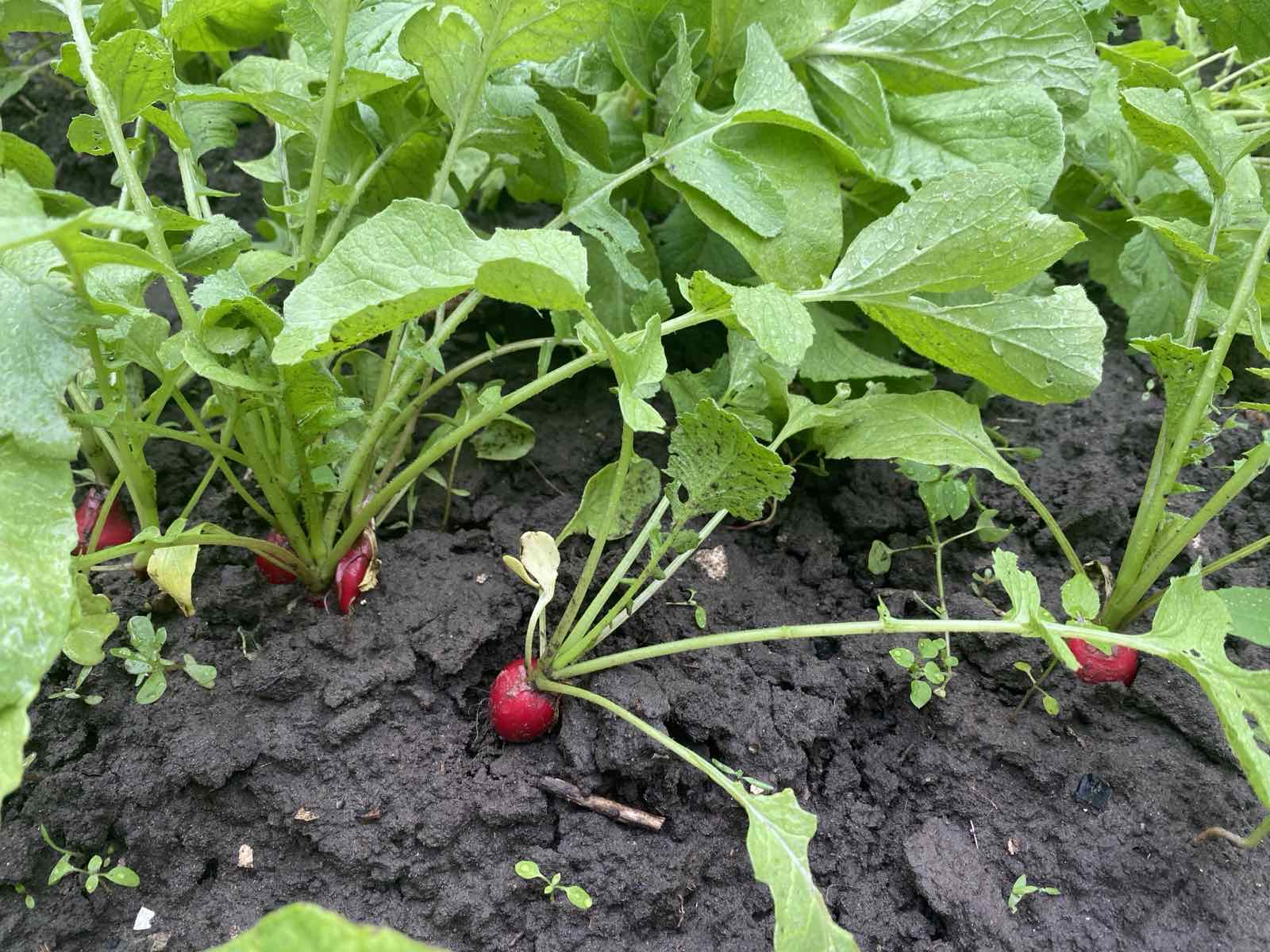
Everyone has their own answer to this seemingly simple question. For most people, happiness is a feeling of fulfillment, joy, and connection that allows us to appreciate life’s everyday moments. Surprisingly, one of the most accessible sources of happiness may be right outside our door—in the garden.
Whether it’s a sprawling backyard, a small vegetable patch, or a few pots of herbs on a balcony, spending time among plants offers benefits that go far beyond aesthetics. Gardening can improve physical health, reduce stress, sharpen the mind, and strengthen our connection with nature. It’s no wonder so many people look forward to escaping city life and spending time outdoors.
A Natural Workout
Many people notice an immediate improvement in their mood after spending time in the garden. This is not just a pleasant coincidence. Gardening combines physical activity, fresh air, and mental relaxation in a way few other hobbies can.
In many respects, gardening is an excellent alternative to the gym. Activities such as digging, planting, pruning, watering, and weeding engage multiple muscle groups simultaneously. These varied movements help improve strength, flexibility, balance, and coordination—benefits that are particularly valuable as we age.
Unlike some high-intensity workouts, gardening places relatively little stress on the joints while still providing meaningful exercise. Research suggests that an hour of moderate gardening can burn approximately 300 calories, comparable to a brisk walk or light jog.
Regular gardening also supports cardiovascular health. Physical activity performed outdoors can help improve circulation, regulate blood pressure, and reduce the risk of heart disease. Better blood flow delivers oxygen and nutrients throughout the body, which can contribute to healthier, more radiant skin. Exposure to natural sunlight provides another important benefit. Moderate sun exposure stimulates vitamin D production, supporting bone health, immune function, and overall well-being.
Physical activity also triggers the release of endorphins, often referred to as “feel-good hormones.” This helps explain why people frequently feel both pleasantly tired and deeply satisfied after a day spent gardening. Some studies have even suggested that regular gardening may reduce the risk of depression by as much as 30%.
A Powerful Antidote to Stress
Modern life often feels rushed, noisy, and overwhelming. The garden offers a welcome escape. Unlike many daily responsibilities, gardening encourages us to slow down and focus on simple tasks. Whether planting seeds, pulling weeds, or watering flowers, these repetitive activities naturally promote mindfulness—the practice of being fully present in the moment.
Many gardeners describe their time outdoors as a form of moving meditation. The rhythm of gardening quiets mental chatter, reduces anxiety, and creates space for reflection. Surrounded by birdsong, rustling leaves, and natural scents, it becomes easier to disconnect from stress and reconnect with ourselves.
Research supports these observations. Studies have found that as little as 30 minutes of gardening can significantly lower cortisol, the body’s primary stress hormone.
The Healing Power of Fresh Air
Scientists continue to uncover the remarkable ways plants influence human health. Spending time among trees, flowers, and greenery has been associated with improvements in mood, reductions in stress, and even support for certain mental health conditions.
One reason is the presence of phytoncides—natural compounds released by plants that possess antimicrobial properties and may help strengthen the immune system. Gardens are also rich in negatively charged ions, especially after rainfall. These particles have been linked to improved mood, increased energy levels, and reduced fatigue.
Plants continuously produce oxygen, helping create an environment that supports healthy brain function and overall vitality. In addition, the natural aromas of flowers, herbs, and foliage provide a form of aromatherapy that can have calming and restorative effects.
Watching plants grow and thrive can also be deeply rewarding. The simple act of nurturing life fosters optimism and creates a sense of purpose. Research shows that people who spend at least two hours per week in nature report significantly higher levels of psychological well-being.
Keeping the Mind Sharp
Gardening does more than benefit the body—it exercises the brain as well. Successful gardening requires planning, observation, problem-solving, and memory. Remembering planting schedules, understanding seasonal changes, and learning the unique needs of different plants all help stimulate cognitive function.
Fine motor activities such as sowing seeds, pruning delicate stems, and transplanting seedlings engage the brain through precise hand movements. These activities help maintain neural activity and support cognitive health. The variety inherent in gardening also challenges the mind. Every season presents new tasks, new plants, and new opportunities to learn. This constant novelty stimulates creativity and may help reduce the risk of age-related cognitive decline.
Research suggests that varied environments and diverse activities contribute positively to brain health, supporting memory, attention, and overall mental resilience.
Finding Joy in Variety
One of the challenges of modern life is repetition. Many people spend their days surrounded by the same routines, environments, and responsibilities. Gardening introduces welcome variety. It offers endless opportunities for creativity, experimentation, and self-expression.
Designing garden layouts encourages spatial thinking and artistic expression. Trying new plant varieties expands knowledge and provides a sense of accomplishment. Seasonal changes bring constant transformation, ensuring that no two months in the garden are ever exactly alike. From planting seeds in spring to harvesting vegetables in summer and preparing beds for winter, gardening provides a continuous cycle of meaningful activities that keep both mind and body engaged.
Reconnecting with Nature
Human beings evolved in natural environments, yet modern life often keeps us surrounded by screens, traffic, and artificial stimulation. Spending time in a garden helps restore this lost connection.
Nature has a unique ability to replenish our attention and mental energy. Research shows that natural settings help improve concentration, reduce mental fatigue, and promote emotional balance. Exposure to daylight and outdoor activity also supports healthy circadian rhythms. This contributes to better sleep quality by enhancing natural melatonin production and helping the body maintain a healthy sleep-wake cycle. The physical activity and rhythmic movements involved in gardening further promote relaxation, making it easier to fall asleep and enjoy restorative rest.
Time spent outdoors has also been linked to greater creativity, enhanced problem-solving abilities, and improved emotional resilience. Gardens often become gathering places as well, strengthening relationships with family, friends, and neighbors. These social connections are among the strongest predictors of long-term happiness and well-being.
Interestingly, studies have found that people living in greener neighborhoods tend to experience lower rates of illness and enjoy longer life expectancy.
A Garden of Any Size Can Make a Difference
You do not need a large estate or a perfectly manicured landscape to experience the benefits of gardening. A small backyard, a community garden plot, a few raised beds, or even a collection of plants on a balcony can provide many of the same rewards. What matters most is the opportunity to interact with nature, engage in meaningful activity, and create a space that brings joy.
More Than a Hobby
Gardening is much more than a pastime. It is a powerful form of therapy for both body and mind. By combining physical activity, mental stimulation, stress reduction, fresh air, and a deeper connection with nature, gardening supports overall health in ways few other activities can match.
Whether your goal is to improve fitness, sleep better, reduce stress, maintain cognitive function, or simply find greater happiness in everyday life, the garden may be one of the most effective—and enjoyable—tools available. Perhaps the secret to a healthier, happier, and more beautiful life has been growing quietly in the garden all along.
If you could create your ideal garden retreat, what would it look like and why?



Lia
Founder & Editor Lia is a biologist with many years of research experience and a deep love for natural medicine. She is passionate about natural remedies, healthy living, and simple ways to support the body through nature. Eager to share her knowledge, Lia enjoys offering helpful lifestyle tips, wellness tricks, natural recipes passed down through generations, and inspiring ideas for living a healthier and more balanced life.Related Posts

The Natural Mosquito Repellent My Sister-in-Law Swears By
June 24, 2026
Natural mosquito repellents can be a simple, plant-based way to enjoy time outdoors with more comfort. Inspired by a remedy my sister-in-law swears by, this article explores how certain herbs,...
Looking for a Less Stressful Career? Here Are 10 Professions That May Surprise You
June 24, 2026
Looking for a less stressful career can be an important step toward better balance, energy, and overall well-being. While every job has challenges, some professions may offer calmer environments, more...
The Secret Health Benefits of Gardening You Need to Know
June 24, 2026
Discover how gardening can improve physical health, reduce stress, enhance cognitive function, strengthen social connections, and support healthy aging. Learn why gardening is increasingly recognized as a powerful form of...
Leave a Comment