
No products in cart
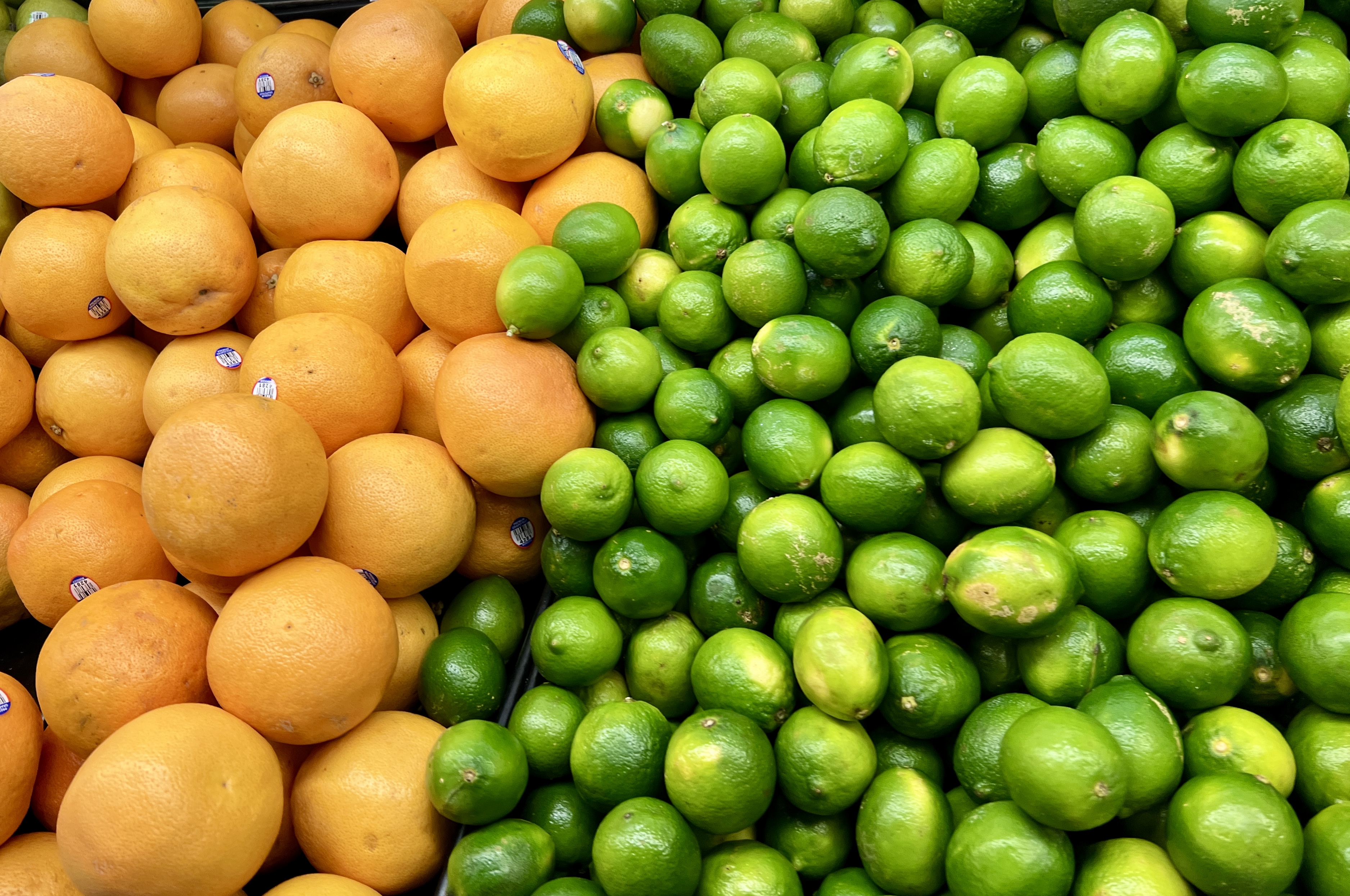
Grapefruit varieties differ in color, sweetness, bitterness, juiciness, and even how well they grow indoors. Some grapefruits taste bright, sweet, and refreshing, while others have a sharper sour flavor with a pleasant bitter note. Whether you want to buy the sweetest grapefruit at the store or grow a grapefruit tree at home, understanding the main types can help you make the best choice.
What Is Grapefruit?
Grapefruit is a subtropical citrus fruit from the Rutaceae family. It is believed to be a natural hybrid of pomelo and sweet orange. The fruit is usually larger than an orange, very juicy, aromatic, and known for its sweet-sour flavor with a light bitterness.
Grapefruits grow on evergreen citrus trees. In nature, the trees can reach 12–15 meters in height. They have glossy leaves, fragrant flowers, small thorns, and a rounded crown. The fruits often grow in clusters of 2 to 15 pieces, which explains the name “grapefruit,” from “grape.”
Main Grapefruit Types by Color
The easiest way to understand grapefruit varieties is by color. The color of the flesh often gives a clue about taste. In general, the redder the flesh, the sweeter the grapefruit tends to be.
| Grapefruit type | Appearance | Taste | Best for |
|---|---|---|---|
| White grapefruit | Pale peel and pale flesh | Very sour, low sweetness | People who enjoy sharp citrus flavor |
| Yellow grapefruit | Yellow peel and yellow flesh | Sour to mildly sweet | Fresh eating, juice, cooking |
| Pink grapefruit | Yellow peel with pink blush | Medium sweetness, mild bitterness | Budget-friendly everyday choice |
| Red grapefruit | Red or pinkish peel, bright red flesh | Sweet, rich, juicy | Fresh eating, juice, salads |
| Sweetie | Green peel, pale yellow flesh | Sweet with slight bitterness | Fresh eating, low-acid citrus option |
| Oroblanco | Greenish-yellow peel, pale flesh | Mild, sweet, slightly bitter | Fresh eating, home growing |
| Melogold | Deep yellow peel, pale flesh | Sweet, mild, pomelo-like | Fresh eating, citrus collections |
How Grapefruit Taste Changes by Region
Grapefruit flavor depends not only on variety but also on where it grows. In warmer tropical regions, grapefruits often develop thinner skin, richer sweetness, and juicier flesh. In cooler Mediterranean climates, they may grow thicker skin and a more noticeable bitter taste.
That is why two grapefruits of the same color can taste slightly different depending on their origin, ripeness, and storage conditions.
How to Choose a Sweet Grapefruit
If you want the sweetest grapefruit, choose a ripe red variety whenever possible. Then check the fruit carefully before buying.
| What to check | What to look for |
|---|---|
| Color | Rich yellow, orange, pink, or red tones. Red spots often show ripeness. |
| Aroma | A ripe grapefruit should smell fresh, sweet, and citrusy. |
| Size | Larger grapefruits are often juicier and sweeter. |
| Weight | Choose a fruit that feels heavy for its size. This usually means more juice. |
| Peel thickness | Thin-skinned grapefruits usually have more juicy flesh. |
| Texture | The fruit should feel firm but slightly springy, not hard or mushy. |
| Skin condition | Avoid brown spots, mold, wrinkles, cracks, or deep scars. |
A ripe grapefruit should feel full, fragrant, and slightly soft at the sides. Small grapefruits can be dry, unripe, or full of seeds.
Signs of a Bad Grapefruit
Do not confuse ripeness with spoilage. Red or pink blush can be a good sign, but brown spots usually mean the fruit has started to spoil.
Avoid grapefruits that have:
| Bad sign | What it may mean |
|---|---|
| Brown spots | Possible spoilage |
| Mold | Unsafe to eat |
| Deep wrinkles | Dry or old fruit |
| Soft mushy areas | Rot or overripeness |
| Cracks or scars | Poor quality or damage |
| Fermented smell | The fruit may be spoiled |
Since grapefruit grows on trees, it should not have the kind of ground spot you might look for on a watermelon. A good grapefruit may have small marks from branches, but it should not have serious skin damage.
How to Store Grapefruit
Citrus fruits do not continue ripening well after harvest. If you buy an underripe grapefruit, leaving it on the counter or windowsill will not make it much sweeter.
Store ripe grapefruit in the refrigerator, preferably in the fruit and vegetable drawer. A ripe fruit usually stays fresh for about 10 days. Keeping it much longer increases the risk of drying, bitterness, or spoilage.
Before cutting or eating grapefruit, wash the peel well. This helps remove dirt, wax, and possible pesticide residue from the surface.
Popular Grapefruit Varieties for Eating and Growing
There are many grapefruit varieties, and some are especially interesting for citrus lovers and indoor growers.
| Variety | Main features | Taste |
|---|---|---|
| Duncan | Common, productive, large fruit | Sweet-sour with bitterness |
| Duncan Variegata | Rare variegated variety, striped young fruit | Juicy, aromatic, bright flavor |
| Rio Red | Popular red grapefruit, few seeds | Sweet, juicy, rich |
| Star Ruby | Dark red flesh, almost seedless | Sweeter than many varieties |
| Marsh Seedless | Classic seedless white grapefruit | Sweet-sour with bitterness |
| Foster | Medium-season pink grapefruit | Juicy, tender, mildly sweet |
| Yubileiny | Pomelo and grapefruit hybrid | Sweet-sour with mild bitterness |
| Natsu Mikan | Grapefruit-like citrus, cold-tolerant | Bitter, sweet, sour, refreshing |
| Chironja | Grapefruit and sweet orange hybrid | More orange-like, juicy, sweet |
| Rex Union | Citrus hybrid loved by collectors | Good for marmalade |
| Oroblanco | Pomelo and grapefruit hybrid | Mild, sweet, slightly bitter |
| Melogold | Related to Oroblanco, large fruit | Sweet, mild, pomelo-like |
| Sweetie | Israeli grapefruit-pomelo hybrid | Sweet, juicy, no bitterness |
| Chandler | Actually a pomelo, not grapefruit | Mildly acidic, juicy |
Red Grapefruit Varieties
Red grapefruit varieties are usually the sweetest and most popular for fresh eating. Rio Red and Star Ruby are two well-known examples.
Rio Red has bright, juicy flesh and only a few seeds. It became one of the most successful red grapefruit varieties and is widely grown commercially.
Star Ruby has very dark red flesh, a thin peel, and a pleasant sweet flavor. It is beautiful and tasty, but it can be more difficult to grow because it is sensitive to pests, low temperatures, nutrient problems, and root diseases.
White and Yellow Grapefruit Varieties
White and yellow grapefruits usually have a more sour or bitter taste than red varieties. Marsh Seedless is one of the classic seedless grapefruit varieties. It has light yellow fruit, smooth skin, and aromatic sweet-sour flesh with bitterness.
Duncan is another important grapefruit variety. It is productive, juicy, aromatic, and known for its large fruits. Its bitterness may soften during storage.
Sweet Grapefruit Hybrids: Sweetie, Oroblanco, and Melogold
Some grapefruit-like fruits are actually hybrids of grapefruit and pomelo. They often taste milder and sweeter than traditional grapefruit.
Sweetie is a grapefruit-pomelo hybrid from Israel. It has a thick green peel, yellow flesh, and a sweet juicy taste without strong bitterness. Its sweetness comes more from low acidity than from extra sugar.
Oroblanco is also a grapefruit-pomelo hybrid. It has a greenish-yellow peel, pale seedless flesh, and a mild sweet taste with a light pomelo bitterness.
Melogold is related to Oroblanco but usually has a deeper yellow peel and larger fruit. It tastes sweet, mild, and more like pomelo than classic grapefruit.
Can You Grow Grapefruit at Home?
Yes, you can grow grapefruit at home if you choose the right variety and provide enough light, warmth, and care. Growing grapefruit indoors is similar to growing other citrus plants.
A grapefruit tree needs:
| Requirement | What the plant needs |
|---|---|
| Light | Bright sunlight, preferably several hours daily |
| Temperature | Warm conditions, protection from frost |
| Air | Fresh air in summer, but no cold drafts |
| Humidity | Moderate humidity, especially in winter |
| Soil | Well-draining citrus soil |
| Watering | Regular watering without waterlogging |
| Pruning | Shape the crown and remember fruit forms on new growth |
| Winter care | Avoid hot, dry indoor air that can cause leaf drop |
Grapefruit is light-loving and enjoys spending summer outdoors. However, it does not tolerate frost well. If the room is too hot and dry during winter, the tree may drop its leaves.
Best Grapefruit Varieties for Indoor Growing
Not every grapefruit tree is convenient for indoor growing. Some varieties become very large, while others adapt better to containers.
| Variety | Why it works indoors |
|---|---|
| Star Ruby | Less vigorous growth, attractive fruit |
| Yubileiny | Can grow around 1.5–2 m indoors |
| Rex Union | Compact enough for collectors |
| Oroblanco | Can be grown in containers with enough light |
| Melogold | Good for citrus enthusiasts with space |
| Duncan Variegata | Rare, decorative, productive, but needs room |
If you have limited space, choose a variety with moderate growth. If you want decorative value, variegated or red-fleshed varieties can be especially attractive.
How Grapefruit Fruits Are Used
Grapefruit is usually eaten fresh, but it also works well in drinks, desserts, preserves, and savory dishes.
You can use grapefruit for:
| Use | Ideas |
|---|---|
| Fresh eating | Eat plain, in fruit bowls, or with yogurt |
| Juice | Make fresh grapefruit juice |
| Salads | Add to greens, avocado, seafood, or chicken |
| Desserts | Use in sorbets, cakes, and citrus creams |
| Preserves | Make syrup, marmalade, or jam |
| Candied peel | Use the thick aromatic peel |
| Sauces | Add juice to dressings and marinades |
Grapefruit zest has a strong citrus aroma, while the flesh is juicy and refreshing. The peel of some hybrids, especially Sweetie, can be very bitter but works well for candied peel.
Which Grapefruit Should You Choose?
The best grapefruit depends on your taste.
| You want… | Choose |
|---|---|
| The sweetest classic grapefruit | Red grapefruit |
| A sour grapefruit | White or yellow grapefruit |
| A mild sweet citrus | Sweetie or Oroblanco |
| A fruit for juice | Rio Red or red grapefruit |
| A fruit for marmalade | Rex Union or thick-skinned varieties |
| A grapefruit tree for home | Star Ruby, Yubileiny, Rex Union, or Oroblanco |
| A rare collector variety | Duncan Variegata or Rex Union |
Final Thoughts
Grapefruit varieties offer much more diversity than many people expect. Red grapefruits are usually the sweetest and juiciest, white and yellow varieties taste more sour, and hybrids like Sweetie, Oroblanco, and Melogold offer a milder, sweeter flavor with less acidity.
When choosing grapefruit at the store, look for a large, heavy, fragrant fruit with thin skin and no brown spots. When growing grapefruit at home, give the tree bright light, warmth, proper watering, and protection from dry winter air.
Whether you enjoy grapefruit fresh, juiced, candied, or grown as a citrus houseplant, this aromatic fruit brings a refreshing flavor and a beautiful citrus character to the table.
Which grapefruit variety do you prefer — red, pink, yellow, white, Sweetie, or Oroblanco?



Lia
Founder & Editor Lia is a biologist with many years of research experience and a deep love for natural medicine. She is passionate about natural remedies, healthy living, and simple ways to support the body through nature. Eager to share her knowledge, Lia enjoys offering helpful lifestyle tips, wellness tricks, natural recipes passed down through generations, and inspiring ideas for living a healthier and more balanced life.Related Posts
Top 10 Smoothies to Lose Fat During Summer
July 9, 2026
Discover the top 10 smoothies to lose fat during summer. These refreshing smoothie recipes include berries, greens, yogurt, cucumber, avocado, and other healthy ingredients....
Top 20 Summer Smoothies to Drink This Season
July 9, 2026
Discover the top 20 summer smoothies to drink for hydration, energy, and healthy weight balance. These refreshing smoothie recipes include fruits, berries, greens, yogurt, and light summer ingredients....
Banana Benefits and Types: Nutrition, Uses, and Recipes
July 8, 2026
Bananas are more diverse than many people realize. From yellow Cavendish bananas to blue, red, green, and dwarf varieties, this guide explains banana benefits, nutrition, risks, storage tips, and simple...
Leave a Comment