No products in cart
Peptides for skin and health have become a popular topic in beauty, nutrition, and wellness. Many people hear about peptide creams, peptide injections, and peptide-rich foods, but they may not fully understand what peptides are or why the body needs them. In simple words, peptides are small chains of amino acids that help support skin repair, collagen production, hormone balance, cell renewal, and many important body processes.
What Are Peptides?
Peptides are short chains of amino acids. Amino acids are the building blocks of proteins, and the body uses them to create tissues, hormones, enzymes, and other important compounds.
Peptides are smaller than proteins. Proteins contain long chains of amino acids, while peptides contain shorter chains. Because of their smaller structure, peptides can act as messengers in the body. They send signals to cells and tell them what to do.
For example, some peptides help the skin produce collagen and elastin. Others support cell repair, immune function, blood pressure regulation, and metabolism.
Why Peptides Matter for the Body
The body needs peptides to function properly. Peptides help regulate many natural processes, including:
- Cell regeneration
- Hormone production
- Skin repair
- Collagen and elastin production
- Immune response
- Blood pressure balance
- Metabolism
- Tissue recovery
As people age, the body slows down the natural production of many important compounds, including collagen, elastin, and some peptides. This can affect skin tone, firmness, energy, recovery, and overall wellness.
That is why peptides are now widely used in skincare, cosmetic procedures, supplements, medicine, and nutrition.
Peptides for Skin: How They Improve Skin Quality
Peptides for skin are often called anti-aging ingredients because they support the skin’s natural renewal process. They do not simply cover the skin; they help send signals that encourage the skin to repair and strengthen itself.
In skincare, peptides may help:
- Improve skin firmness
- Support collagen production
- Improve elasticity
- Smooth the appearance of fine lines
- Strengthen the skin barrier
- Reduce dryness
- Improve overall skin texture
Collagen and elastin give the skin structure and firmness. When the body produces less of them, the skin can look thinner, looser, and less radiant. Peptide skincare helps support these important proteins and improves the overall appearance of the skin over time.
Types of Peptides Used in Skincare
Different peptides perform different functions. Professional skincare products and cosmetic treatments may include several types of peptides.
- Microcirculation peptides help improve blood flow and reduce puffiness.
- Anti-stress peptides help strengthen the skin’s protective barrier.
- Myorelaxing peptides help relax facial tension and soften the appearance of expression lines.
- Immunomodulating peptides help support the skin’s natural defense system.
- Lifting peptides help stimulate collagen, elastin, and hyaluronic acid production.
- Anti-inflammatory peptides help calm the skin and support antibacterial protection.
Because each peptide has a specific function, many formulas combine several peptides for better results.
Collagen for Skin and Joints: Complete Guide
Peptide Creams and At-Home Skincare
Peptide creams, serums, and masks can become a useful part of an at-home skincare routine. However, they need time to work. Most people should use peptide skincare consistently for at least 30 days before expecting visible results. For a stronger cumulative effect, use peptide products for two to three months without interruption.
To get the best results from peptide skincare:
- Cleanse your skin well before applying peptide products.
- Use a toner or lotion to prepare the skin.
- Apply the peptide serum or cream first.
- Wait about 10 minutes, then apply moisturizer.
- Use sunscreen every morning.
Sunscreen is especially important. If the skin receives constant sun damage, peptide products have to focus on repair instead of improvement. Daily sun protection helps peptide skincare work more effectively.
Peptide Injections and Professional Treatments
Cosmetologists also use peptide-based products in professional procedures. Peptide injections may help improve skin quality, smooth the appearance of wrinkles, and support deeper skin renewal.
Professionals often use peptide preparations before powerful cosmetic treatments such as radiofrequency lifting, ultrasound lifting, and laser rejuvenation. These procedures stimulate collagen, and peptides may help support that process.
However, injectable peptide treatments require professional knowledge and proper technique. A qualified medical or cosmetic professional should choose the right product, depth, and method of injection.
Peptides in Food: Why Nutrition Matters
The body can produce some amino acids on its own, but it must receive essential amino acids from food. A balanced diet gives the body the materials it needs to create peptides, proteins, hormones, enzymes, and healthy tissues.
To support natural peptide production, focus on high-quality protein. The body breaks protein down into amino acids and peptides during digestion. Then it uses them for energy, tissue repair, muscle support, skin renewal, and hormone production.
Animal-Based Foods Rich in Peptides and Amino Acids
Animal-based foods usually provide complete proteins, meaning they contain all essential amino acids. These foods support natural peptide production and overall body function.
Good animal-based sources include:
- Milk
- Kefir
- Yogurt
- Cottage cheese
- Cheese
- Whey
- Chicken
- Beef
- Pork
- Lamb
- Fish
- Tuna
- Salmon
- Seafood
- Shellfish
- Chicken eggs
- Quail eggs
- Bee products
Whey peptides are especially valued because they digest quickly and may support metabolism, digestion, recovery, and overall wellness.
Plant-Based Foods That Support Peptide Production
Plant-based foods also contain amino acids, but many of them do not provide complete protein on their own. People who follow a vegetarian or vegan diet can combine different plant foods to get a wider range of amino acids.
Good plant-based sources include:
- Soy
- Chickpeas
- Beans
- Lentils
- Oats
- Wheat
- Nuts
- Sunflower seeds
- Dark chocolate
- Bananas
- Apples
- Citrus fruits
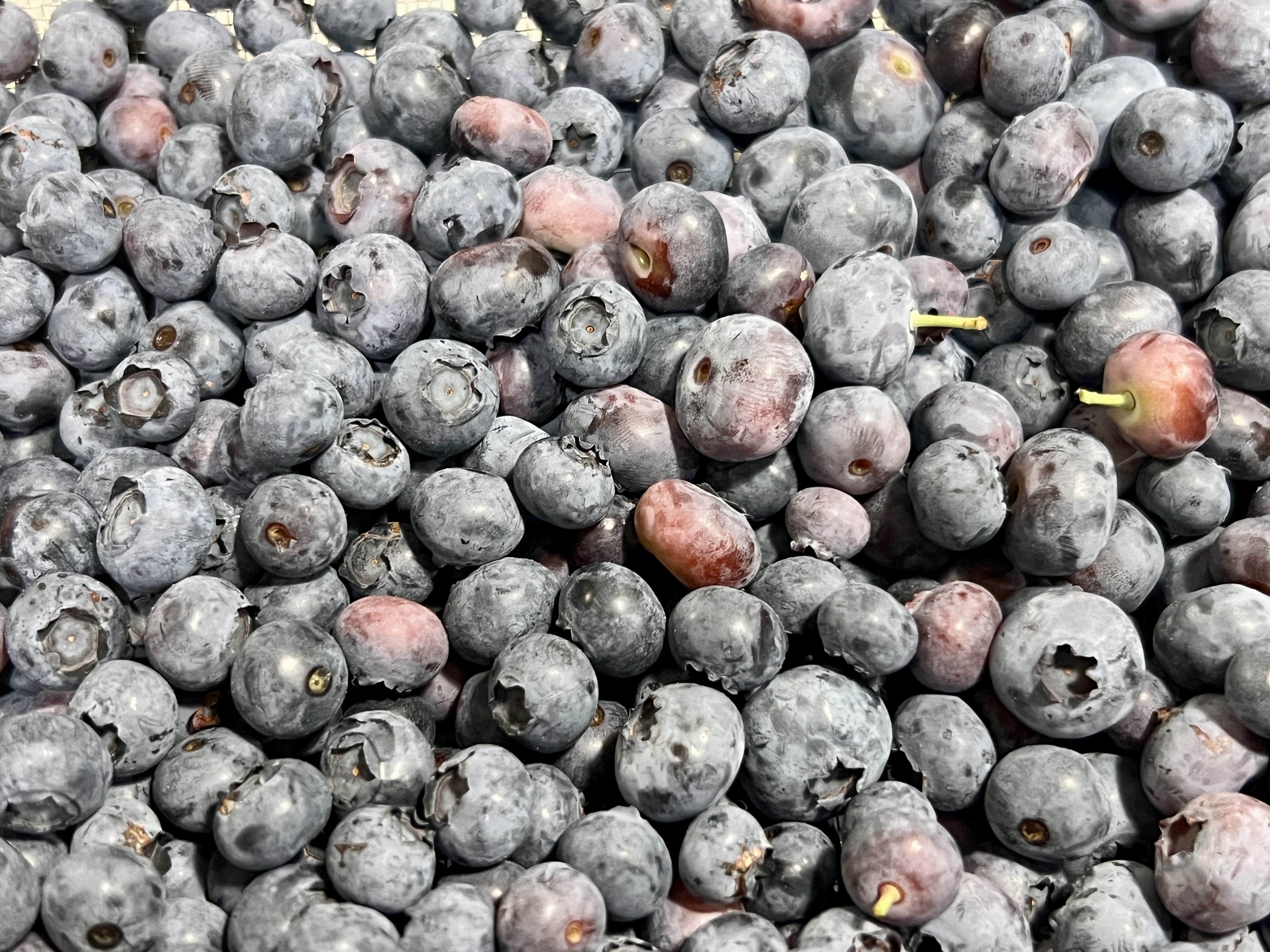
- Berries
- Mushrooms
- Spinach
- Leafy greens
- Chanterelles
A varied diet helps the body receive more amino acids and better support natural peptide formation.
How the Body Creates Peptides from Food
When you eat protein-rich foods, digestion begins breaking them down. In the stomach, enzymes start separating large protein molecules into smaller parts. Then, in the intestines, the body breaks them down further into polypeptides, dipeptides, tripeptides, and amino acids.
After that, the body absorbs these compounds into the bloodstream and sends them to cells. Different cells use them for different jobs. Some help build muscle proteins, some support blood components, some help create hormones, and others turn into energy.
For example, muscle cells produce myosin, while red blood cells produce hemoglobin. The body uses amino acids and peptides as raw materials for these important processes.
Signs Your Diet May Lack Enough Protein
Low protein intake can affect the body in different ways. Some possible signs may include:
- Low energy
- Constant fatigue
- Increased sleepiness
- Weak immunity
- Frequent viral infections
- Hair loss
- Slow recovery
- Unexplained weight gain
- Reduced physical strength
These symptoms can also appear for many other reasons, so they should not be used for self-diagnosis. If symptoms continue, it is best to speak with a healthcare professional.
Foods That Help Boost Collagen
Peptides, Aging, and Future Research
Peptide research continues to grow. Scientists study peptides for skin health, tissue repair, metabolism, immune support, and targeted medical therapies. Synthetic peptides are also being developed for more specific purposes.
However, it is important to stay realistic. Peptides are promising, but they are not magic. They cannot replace a balanced diet, proper skincare, sunscreen, healthy sleep, exercise, or medical care. Instead, they work best as part of a complete approach to skin and overall wellness.
How to Use Peptides Safely
Peptides can be helpful, but they should be used wisely. For skincare, choose products from trusted brands and give them enough time to work. For supplements or injections, speak with a qualified professional first, especially if you have health conditions, take medication, are pregnant, or are breastfeeding.
For best results, combine peptide skincare with:
- Daily sunscreen
- Gentle cleansing
- Moisturizer
- A balanced diet
- Enough protein
- Quality sleep
- Healthy lifestyle habits
This approach supports the skin from both the outside and the inside.
Final Thoughts…
Peptides play an important role in skin health, cell repair, hormone production, and many body functions. Peptide skincare can help improve firmness, texture, and the appearance of aging skin, while peptide-rich foods and high-quality proteins support the body from within.
To get the best benefits from peptides, use them consistently, eat a balanced diet, protect your skin from the sun, and choose professional treatments carefully. Peptides can support healthier-looking skin and better body function, but they work best when you make them part of a complete wellness routine.
Frequently Asked Questions About Peptides
What are peptides in simple words?
Peptides are short chains of amino acids. The body uses them to support skin repair, hormone production, cell renewal, and many other functions.
Are peptides good for the skin?
Yes, peptides can support collagen production, improve firmness, strengthen the skin barrier, and help smooth the appearance of fine lines.
What foods contain peptides?
Peptide-supporting foods include dairy products, meat, fish, eggs, seafood, legumes, grains, nuts, seeds, mushrooms, leafy greens, and some fruits.
How long does peptide skincare take to work?
Most peptide skincare products need at least 30 days of consistent use. For stronger results, use them for two to three months.
Can peptides replace a healthy diet?
No. Peptides support the body, but they do not replace balanced nutrition, protein intake, hydration, sleep, sunscreen, or medical care.
Have you ever used peptide skincare or added more protein-rich foods to support your skin and health?





Leave a Comment