
No products in cart
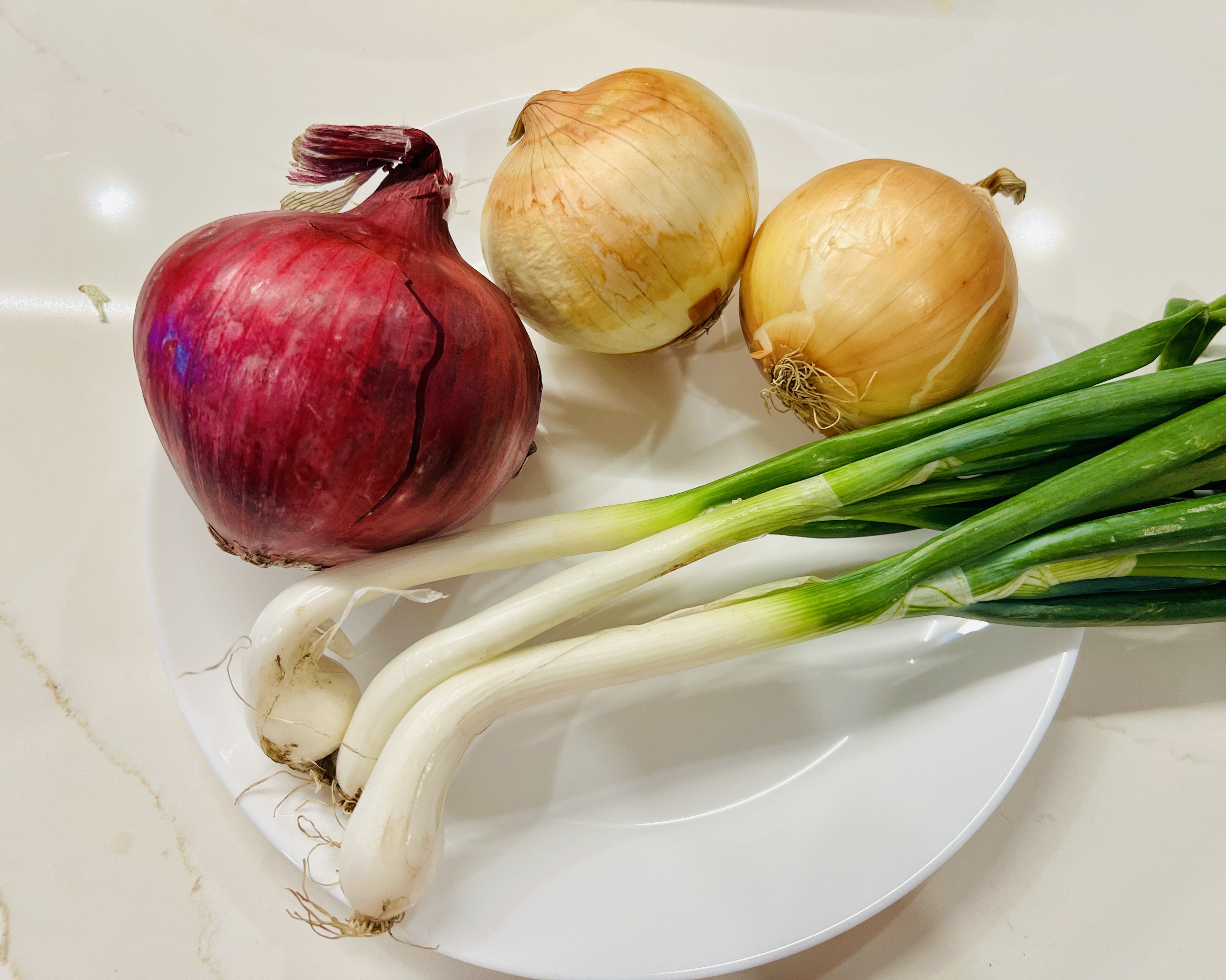
Did you know that collagen is the most common and one of the most important proteins in the human body? Foods that support collagen can help the body maintain healthy skin, stronger joints, flexible blood vessels, and better tissue repair. Although collagen is often connected with beauty and youthful-looking skin, its role goes much deeper than that.
Collagen works like the body’s natural “glue.” It helps hold tissues and organs together, gives structure to the skin, supports bones and cartilage, and keeps many parts of the body strong and flexible. However, as we age, the body naturally produces less collagen. As a result, we may begin to notice wrinkles, dry skin, thinning hair, brittle nails, joint discomfort, or reduced flexibility.
Fortunately, you can support collagen levels not only through supplements, but also through everyday nutrition. By adding more foods that support collagen to your diet, you give your body the nutrients it needs to produce and protect this important protein.
What Is Collagen?
Collagen is the main structural protein found in connective tissue. It makes up about 30% of all proteins in the body, making it the most abundant protein we have. In simple words, collagen helps create the structure, strength, and flexibility of the body.
It is found in the skin, bones, muscles, tendons, ligaments, blood vessels, cartilage, and organs. Therefore, collagen is not only important for appearance, but also for movement, healing, circulation, and overall health. In many ways, collagen is a quiet but powerful helper. It supports the skin, helps joints move smoothly, strengthens bones, assists tissue repair, and plays a role in wound healing.
Why Foods That Support Collagen Matter for Skin
One of the most noticeable roles of collagen is its effect on the skin. Collagen helps keep the skin firm, elastic, hydrated, and smooth. It forms the foundation of the deeper layer of the skin and gives it strength. When collagen levels are healthy, the skin may look fresher and recover better after minor damage. However, when collagen levels decrease, the skin can become drier, thinner, and less elastic. Over time, this can lead to fine lines, wrinkles, and a duller appearance. This is why foods that support collagen are so important. They provide vitamin C, amino acids, zinc, copper, antioxidants, and healthy fats that help the body maintain healthier-looking skin from the inside out.
Foods That Support Collagen for Hair and Nails
Collagen also supports the health of hair and nails. When collagen levels are low, nails may become weak, thin, or brittle. Hair may also become more fragile, grow more slowly, or appear thinner. In addition, the body needs enough protein and key nutrients to build strong hair and nails. Therefore, eating foods that support collagen can be helpful for people who want to improve their beauty routine naturally. Instead of focusing only on creams, serums, or supplements, it is important to remember that hair, skin, and nails are also nourished from the inside.
Foods That Support Collagen for Joints and Bones
Collagen is a major building material for cartilage and bone tissue. It helps keep joints flexible and reduces friction between bones. It also supports bone strength and structure. As collagen production slows down with age, cartilage may become thinner. Consequently, some people may experience joint stiffness, discomfort, inflammation, or reduced mobility. Collagen also plays a role in bone mineralization, which is important for keeping bones strong. For this reason, foods that support collagen may be especially useful for healthy aging, active lifestyles, and long-term joint comfort.
Foods That Support Collagen for Tissue Repair
Collagen plays an important role in tissue regeneration and wound healing. When the body is injured, collagen helps form new tissue and supports the repair process.
It also helps the skin renew itself and contributes to the formation of new cells. Therefore, maintaining healthy collagen levels is not only about beauty. It is also about recovery, resilience, and helping the body repair itself properly.
Foods That Support Collagen for Blood Vessels
Collagen is also found in the walls of blood vessels. It helps keep them strong, flexible, and elastic. Healthy blood vessels are important for proper circulation and overall cardiovascular wellness.
In addition, collagen plays a role in blood clotting. When a blood vessel is damaged, collagen helps activate platelets, which gather together to form a clot and stop bleeding. This process is important for wound healing and protecting the body from excessive blood loss.
Why Collagen Levels Decline
Although collagen is naturally produced by the body, production slows down with age. However, aging is not the only reason collagen levels decline. Several lifestyle habits can speed up collagen loss, including smoking, strict dieting, excessive alcohol consumption, poor sleep, chronic stress, lack of movement, and an unbalanced diet.
In addition, too much sun exposure can damage collagen in the skin. This is why protecting the skin from ultraviolet rays is another important step in maintaining healthy collagen levels. The good news is that small lifestyle changes can make a difference. Eating more foods that support collagen, staying active, sleeping well, drinking enough water, and avoiding harmful habits can all help protect the body’s natural collagen.
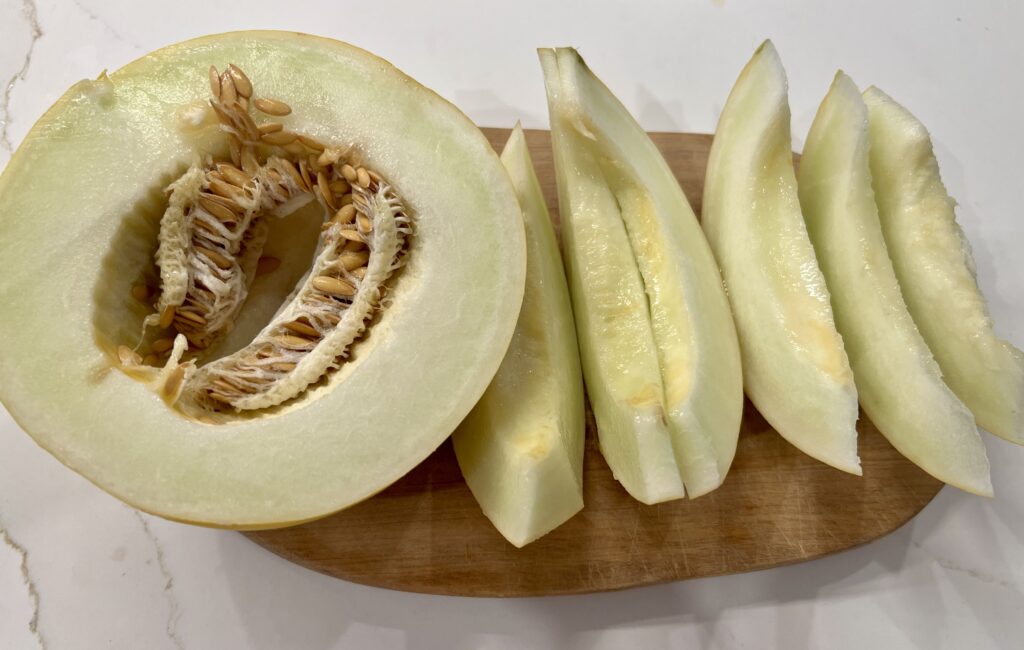
Best Animal-Based Foods That Support Collagen
Collagen is naturally found mostly in animal-based foods, especially in skin, bones, cartilage, and connective tissue. These foods can be helpful because they provide collagen directly or supply the amino acids needed for collagen production.
Chicken
Chicken contains a good amount of connective tissue, which makes it one of the most practical foods that support collagen. Chicken skin, cartilage, and especially chicken feet are rich in collagen. Because chicken is easy to prepare and add to meals, it can be a simple way to support collagen intake.
Fish
Fish such as salmon, tuna, and trout can support collagen levels, especially when eaten with the skin. Much of the collagen in fish is found in the skin and connective tissues. Additionally, fish provides omega-3 fatty acids and vitamin D, which are important for skin, bone, heart, and overall health.
Eggs
Egg whites contain amino acids such as glycine and proline, which are important building blocks for collagen production. Egg yolks also provide vitamin D and healthy fats that support the skin, bones, and muscles. Although eggs do not contain collagen in the same way as bone broth or animal skin, they still provide nutrients that help the body make collagen.
Organ Meats
Organ meats such as liver, heart, brain, and kidneys contain nutrients that may support collagen levels. They are also rich in vitamins and minerals. However, because organ meats are very nutrient-dense, they may not be suitable for everyone in large amounts. As always, balance is important.
Bone Broth
Bone broth is one of the most well-known collagen-rich foods. It is made by simmering animal bones and connective tissue for several hours. During cooking, collagen is released from the bones, cartilage, and connective tissue. Vegetables, herbs, and spices can also be added to improve the taste and increase the nutritional value.
Gelatin
Gelatin is a form of collagen made by boiling animal bones, cartilage, and skin. It is often used in desserts, gummies, soups, sauces, and powders. Gelatin powder can also be added to smoothies or homemade recipes as an easy way to include collagen-like protein in the diet.
Best Plant-Based Foods That Support Collagen
Plant-based foods do not usually contain collagen directly. However, many of them are rich in nutrients that help the body produce collagen naturally. These include vitamin C, zinc, copper, amino acids, antioxidants, and healthy fats. Therefore, plant-based foods that support collagen are still very important in a balanced diet.
Tomatoes
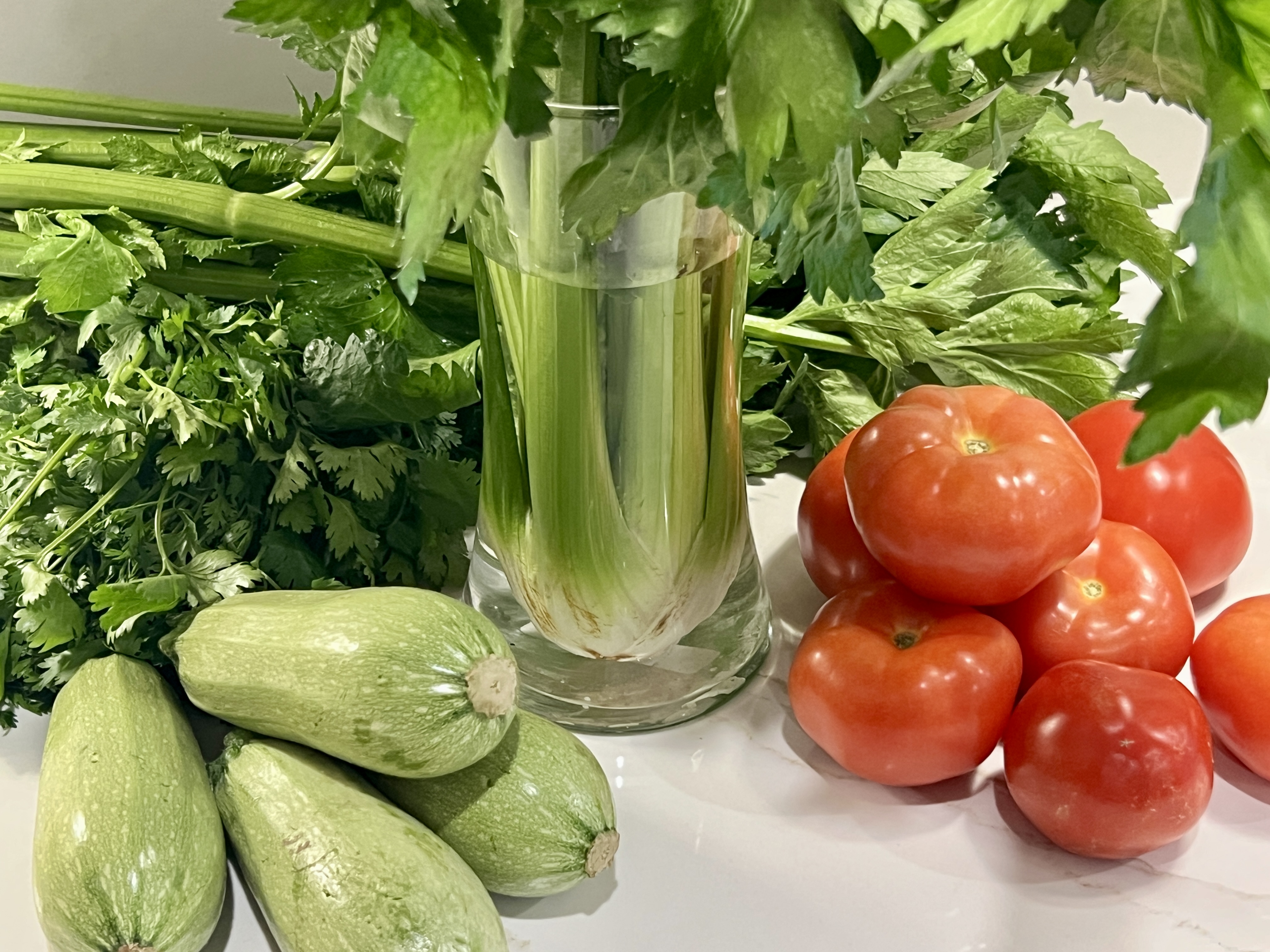
Tomatoes are rich in vitamin C, which is necessary for collagen production. They also contain antioxidants that help protect the skin from damage. Raw tomatoes and sun-dried tomatoes can both be useful additions to a collagen-supporting diet.
Avocado
Avocado does not contain collagen, but it supports skin health with vitamin E, healthy fats, potassium, and fiber. Because healthy fats help nourish the skin, avocado can be a great food for maintaining a soft and glowing appearance.
Nuts and Seeds
Nuts and seeds are excellent sources of zinc and copper, two minerals involved in collagen production. Good choices include pumpkin seeds, sesame seeds, cashews, and almonds. In addition, they provide healthy fats and plant-based protein, making them valuable foods that support collagen naturally.
Leafy Greens
Leafy greens such as spinach, kale, cabbage, and other greens contain vitamin C, zinc, copper, and antioxidants. These nutrients help support collagen production and protect the skin from oxidative stress. As a result, leafy greens are an easy and powerful addition to a collagen-supporting diet.
Berries
Strawberries, blueberries, raspberries, and blackberries are rich in vitamin C and antioxidants. Since vitamin C is essential for collagen synthesis, berries are some of the best fruits for supporting collagen naturally. They also contain plant compounds that help protect the skin from environmental stress.
Citrus Fruits
Oranges, lemons, limes, and grapefruits are excellent sources of vitamin C. Because vitamin C is needed for collagen production, citrus fruits are among the most important foods that support collagen. You can add them to water, tea, salads, smoothies, or simply enjoy them fresh.
Garlic
Garlic contains sulfur and amino acids that may help support collagen production and slow collagen breakdown. In addition, garlic is well known for supporting the immune system. It also adds strong flavor to many meals, making it easy to include in everyday cooking.
Beans
Beans are rich in protein and contain important amino acids involved in collagen production, including lysine, leucine, and valine. They are also high in fiber, making them a great plant-based option for people who want to support collagen and digestive health at the same time.
Broccoli
Broccoli is rich in vitamin C, which helps the body produce collagen. It also contains calcium, a mineral important for bone health. Because of this, broccoli is a helpful food for both collagen support and overall wellness.
Red Bell Pepper
Red bell pepper is very rich in vitamin C. It also contains lycopene, an antioxidant that may help protect the skin from sun-related damage. Although red bell pepper does not contain much collagen itself, it is one of the best vegetables for supporting natural collagen production.
Are Collagen Supplements Necessary?
Collagen supplements are now sold as powders, capsules, tablets, drinks, and gummies. Some contain amino acids, while others include vitamin C, biotin, zinc, or other nutrients that support skin, hair, and nails. However, supplements are not always necessary for everyone. If you eat a healthy and balanced diet with enough protein and foods that support collagen, your body may already be getting many of the nutrients it needs. That said, some people may still choose collagen supplements for convenience. Before taking any supplement, especially if you are pregnant, breastfeeding, taking medication, or managing a health condition, it is best to speak with a healthcare professional.
Lifestyle Habits That Help Protect Collagen
In addition to diet, lifestyle choices play a major role in collagen health. To help protect collagen naturally, try to avoid smoking, limit alcohol, get enough sleep, stay physically active, manage stress, and protect your skin from too much sun exposure.
Also, avoid extreme diets that remove important nutrients. Since the body needs protein, vitamins, minerals, and healthy fats to make collagen, a balanced diet is much more helpful than strict food rules.
Final Thoughts on Foods That Support Collagen
Collagen is much more than a beauty trend. It supports the skin, hair, nails, joints, bones, blood vessels, muscles, and tissue repair. As we age, collagen production naturally slows down, but nutrition and lifestyle can help support the body’s ability to produce and protect it. By adding more foods that support collagen, such as chicken, fish, eggs, bone broth, gelatin, berries, citrus fruits, leafy greens, beans, nuts, seeds, broccoli, tomatoes, garlic, avocado, and red bell pepper, you can nourish your body from the inside out.
Ultimately, the best approach is simple: eat a balanced diet, support your body with real foods, stay active, sleep well, and avoid habits that damage collagen. Small daily choices can make a meaningful difference over time.
What foods that support collagen do you already include in your diet, and which ones would you like to try more often?





Leave a Comment