
No products in cart
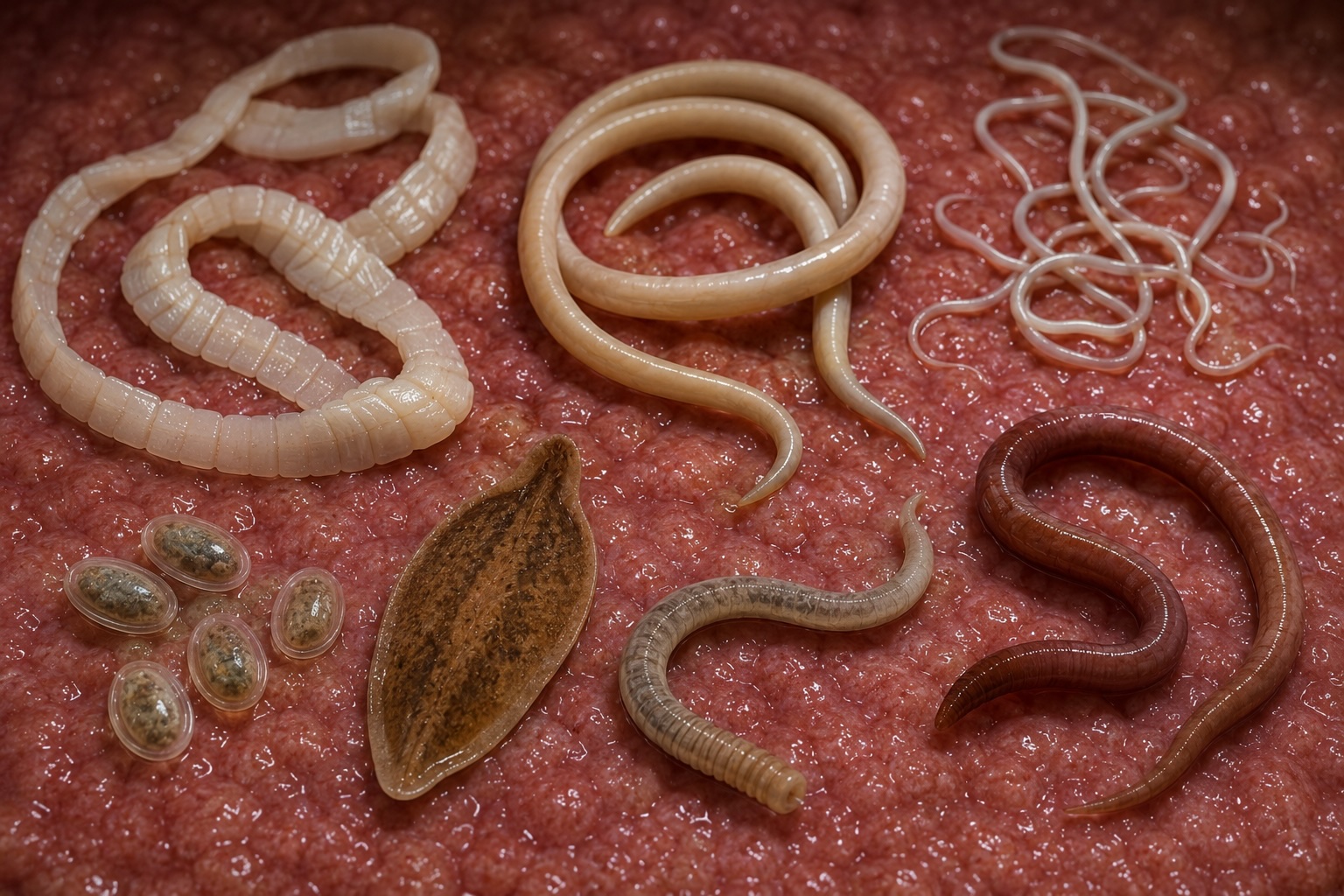
Parasitic infections affect millions of people worldwide and are often overlooked because their symptoms can mimic many other health conditions. While some people associate parasites only with poor hygiene or exotic travel, the reality is that parasitic infections can affect anyone. Furthermore, these organisms may live on the skin, inside organs, or within the bloodstream, causing a wide range of health problems. Therefore, understanding parasitic infections is essential for early diagnosis, effective treatment, and long-term prevention.
Parasitic Infections: Understanding External and Internal Parasites
The word “parasite” originates from the Greek term meaning “one who eats at another’s table.” Parasites survive by living on or inside a host, often causing illness and, in severe cases, life-threatening complications. Generally, parasites are divided into two main groups:
- Ectoparasites (external parasites)
- Endoparasites (internal parasites)
Both types of parasitic infections can significantly impact human health.
Parasitic Infections Caused by Ectoparasites
Ectoparasites live on or within the skin. As a result, they often cause itching, skin irritation, allergic reactions, and secondary infections.
Lice
Head lice, body lice, and pubic lice feed on human blood by piercing the skin. Consequently, they cause pediculosis and may transmit dangerous diseases such as epidemic typhus and relapsing fever.
Demodex Mites
Demodex mites live inside hair follicles and sebaceous glands. Although they are microscopic, they can trigger folliculitis, dermatitis, and eye-related infections when they affect the eyelashes and eyebrows.
Scabies Mites
Scabies mites burrow into the skin to lay eggs. Therefore, infected individuals often experience severe itching, skin rashes, and inflammation. Additionally, scabies spreads rapidly through close contact.
Parasitic Infections Caused by Endoparasites
Unlike ectoparasites, endoparasites live inside the body. They may inhabit the intestines, liver, kidneys, lungs, blood vessels, and even the brain. Moreover, parasitic infections caused by endoparasites can remain undetected for years because symptoms are often mild or nonspecific in the early stages.
Common Internal Parasites
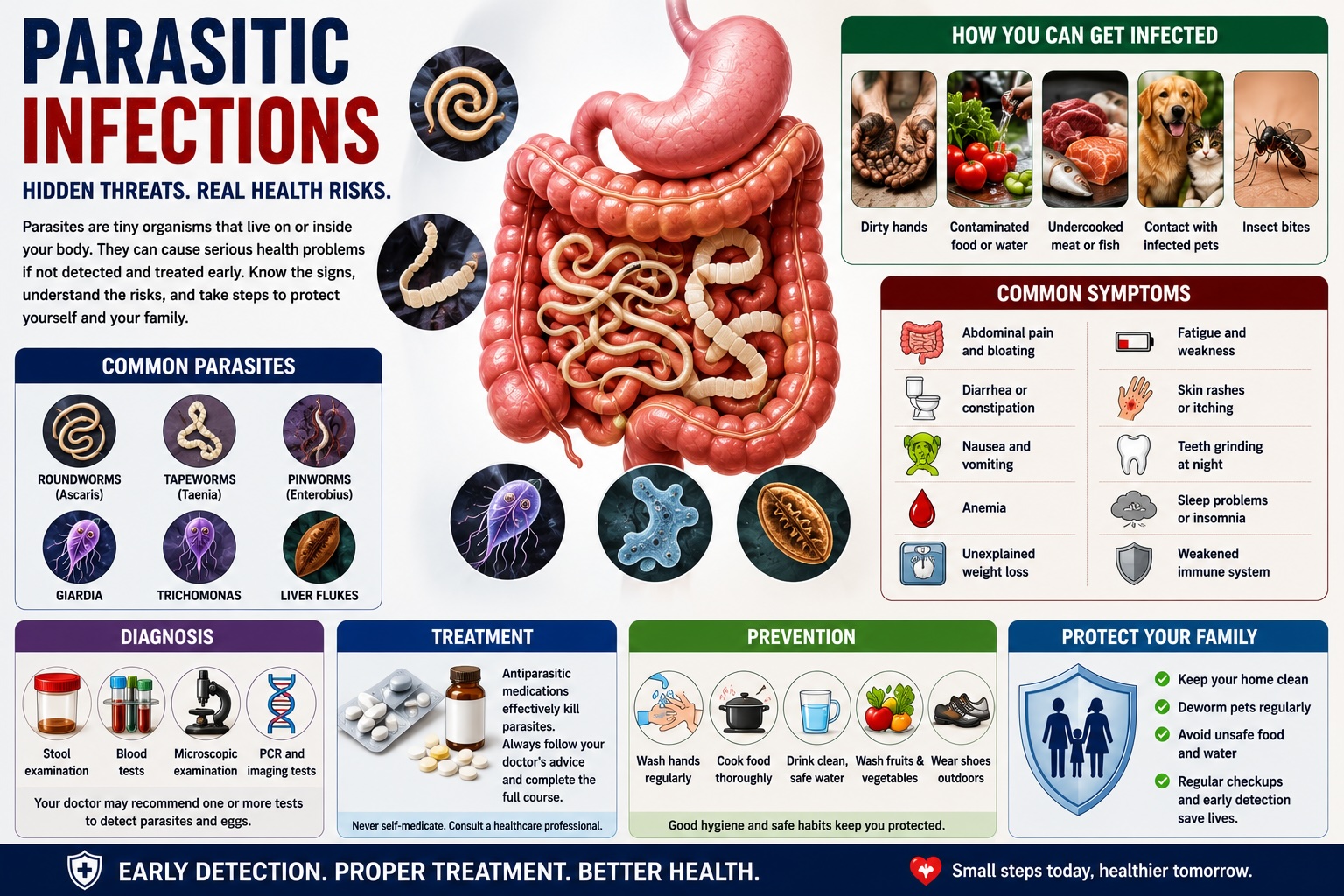
The most common internal parasites include:
- Roundworms (Ascaris)
- Pinworms
- Tapeworms
- Nematodes
- Giardia
- Toxoplasma
- Liver flukes
Each of these parasites has its own life cycle, method of transmission, and health consequences.
Parasitic Infections and Common Symptoms
One reason parasitic infections are difficult to diagnose is that they often resemble other illnesses. Consequently, many people attribute symptoms to stress, allergies, poor diet, or chronic fatigue. Common symptoms include:
- Abdominal pain
- Bloating
- Diarrhea
- Constipation
- Nausea
- Weight loss
- Increased appetite
- Fatigue
- Anemia
- Skin rashes
- Anal itching
- Sleep disturbances
- Teeth grinding during sleep
Furthermore, severe parasitic infections may lead to enlarged organs, nutrient deficiencies, and neurological symptoms.
How Parasitic Infections Spread
Many people mistakenly believe that parasites only affect individuals with poor hygiene. However, parasitic infections can occur in anyone. Common routes of transmission include:
Contaminated Food and Water
Undercooked meat, raw fish, and contaminated water are among the most common sources of parasitic infections.
Poor Hand Hygiene
Dirty hands can transfer parasite eggs from contaminated surfaces directly into the body.
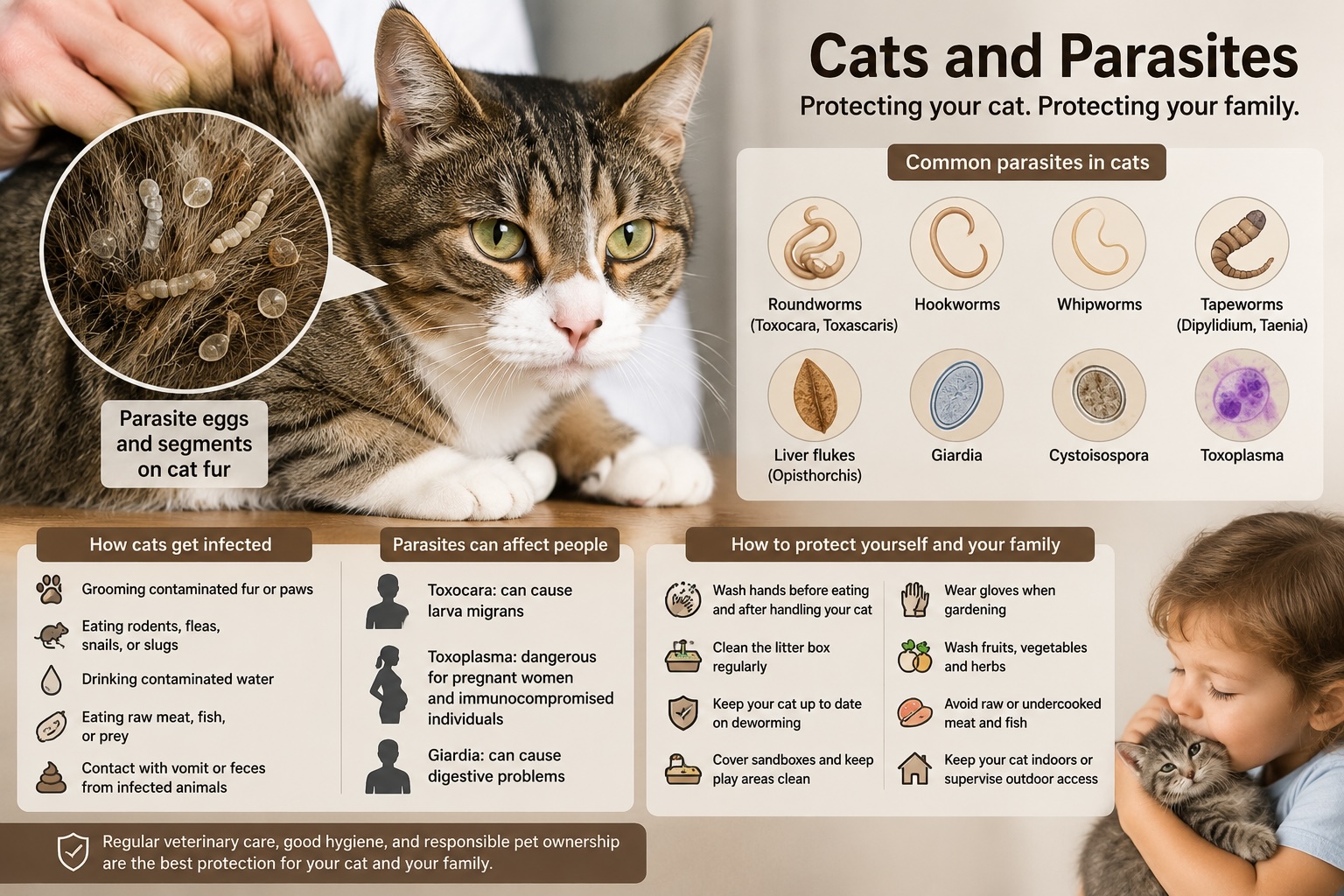
Contact With Animals
Pets can carry parasites and contribute to transmission if preventive measures are not followed.
Insect Bites
Certain parasites are spread through mosquitoes, ticks, and other insects. As a result, maintaining proper hygiene and food safety practices is crucial.
Diagnosing Parasitic Infections
Because symptoms are often nonspecific, laboratory testing plays an important role in identifying parasitic infections.
Blood Tests
Blood tests may reveal:
- Elevated eosinophils
- Low hemoglobin
- Signs of inflammation
Stool Tests
Stool examinations can identify parasite eggs, larvae, and sometimes adult parasites.
Specialized Testing
Depending on symptoms, healthcare providers may also recommend:
- PCR testing
- Antibody testing
- Endoscopy
- Imaging studies
Therefore, comprehensive testing is often necessary to confirm a diagnosis.
Treating Parasitic Infections
Treatment depends on the type of parasite involved. Fortunately, many parasitic infections can be effectively treated with targeted medications. Common antiparasitic medications include:
- Albendazole
- Mebendazole
- Pyrantel
- Levamisole
- Praziquantel
However, treatment should always be supervised by a healthcare professional. In addition, some severe infections may require supportive therapies to restore damaged organs and nutritional balance.

Preventing Parasitic Infections
Fortunately, many parasitic infections can be prevented through simple lifestyle habits.
Practice Good Hygiene
Always wash your hands thoroughly:
- Before eating
- After using the restroom
- After handling pets
- After outdoor activities
Cook Food Properly
Properly cooking meat and fish significantly reduces the risk of parasitic infections.
Wash Fruits and Vegetables
Fresh produce should always be washed before consumption to remove potential contaminants.
Protect Yourself While Traveling
When visiting unfamiliar destinations:
- Drink safe water
- Avoid raw foods
- Use insect repellents
- Follow local health recommendations
Care for Pets
Regular veterinary checkups and deworming treatments help reduce the risk of parasite transmission.
Why Early Detection of Parasitic Infections Matters
Early diagnosis is essential because untreated parasitic infections can cause long-term health complications. In some cases, parasites may damage internal organs, interfere with nutrient absorption, weaken the immune system, and significantly reduce quality of life. Therefore, individuals experiencing persistent digestive problems, unexplained fatigue, allergies, or recurring health issues should consider discussing the possibility of parasitic infections with a healthcare provider.
One Final Word
Parasitic infections are far more common than many people realize. Although they often remain hidden for long periods, they can affect nearly every organ system in the body. Fortunately, with proper hygiene, food safety practices, early diagnosis, and appropriate medical treatment, most parasitic infections can be effectively managed and prevented. Ultimately, staying informed about parasitic infections is one of the best ways to protect your health and reduce the risk of serious complications.
What steps do you currently take to protect yourself and your family from parasitic infections, and have you ever experienced symptoms that made you suspect a parasite-related health issue?




Leave a Comment