
No products in cart
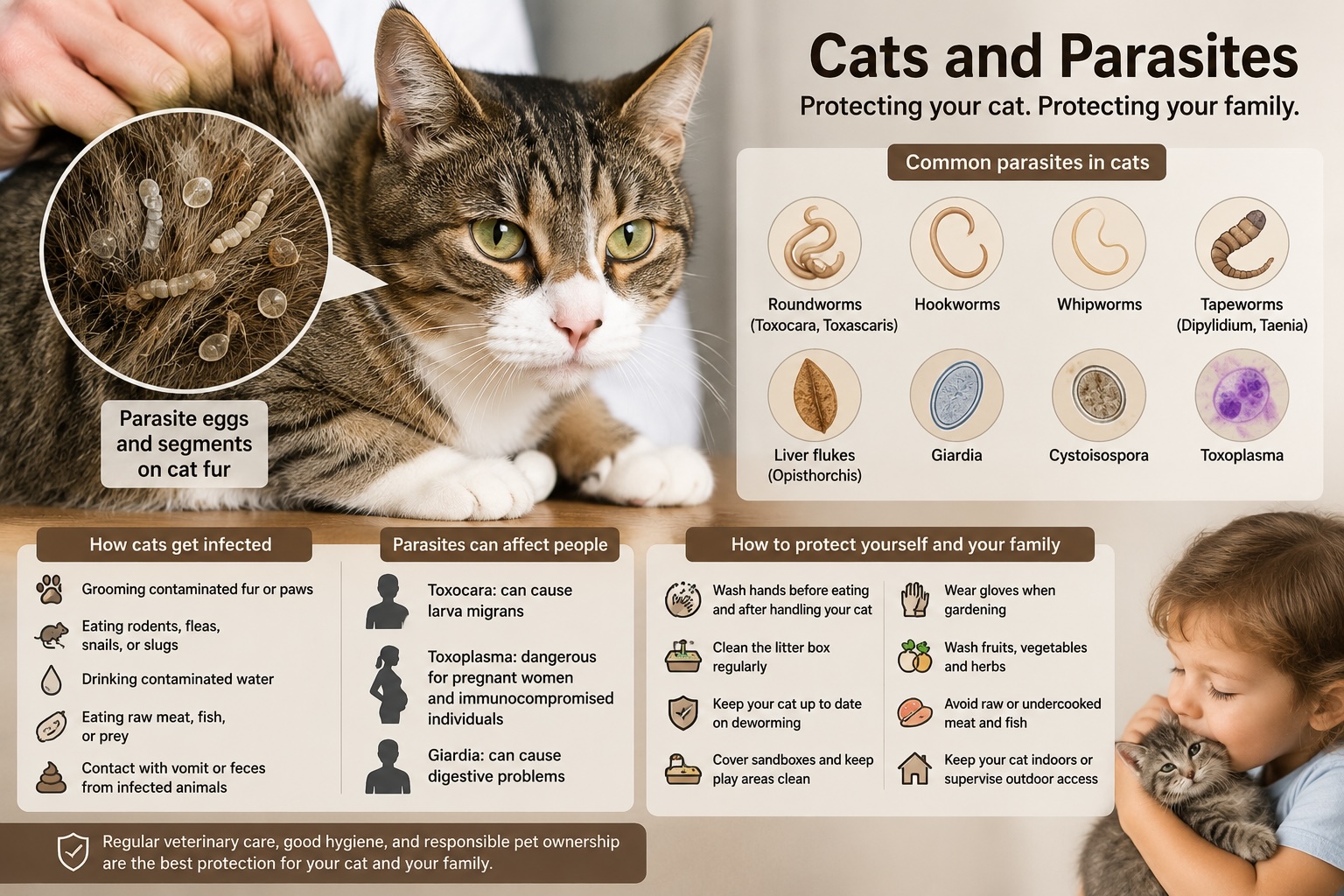
Researchers from the University of Queensland in Australia have reported a possible association between cat ownership and an increased risk of developing schizophrenia, particularly among younger individuals. Their study analyzed data from 17 previous studies conducted across 11 countries, including the United States and the United Kingdom.
The researchers found that people who owned cats at a young age appeared to have approximately twice the risk of developing schizophrenia compared to those who had never owned cats.
One possible explanation involves Toxoplasma gondii, a common parasite that can live in the intestines of cats. Scientists suggest that exposure to this parasite may affect neurotransmitters in the human brain.
Neurotransmitters are chemical messengers that play a critical role in regulating mood, behavior, learning, and cognition. Disruptions in neurotransmitter activity have been linked to various mental health conditions, including schizophrenia.
Schizophrenia is a serious psychiatric disorder characterized by disturbances in thinking, perception, emotions, and behavior. Symptoms typically appear between the ages of 16 and 30.
While the findings suggest a potential association between cat ownership and schizophrenia risk, the researchers emphasize that more studies are needed to fully understand the relationship. Importantly, the study does not prove that owning a cat causes schizophrenia. Other environmental, genetic, and social factors may also contribute to the observed association.
Interest in Toxoplasma gondii has grown in recent years because of its potential effects on animal behavior. In a separate study published last year, researchers found that the parasite appeared to influence the behavior of black wolves living in areas shared with cougar populations. Infected wolves were more likely to exhibit bold or aggressive behavior and were more likely to become pack leaders.
Some infected wolves also displayed increased tendencies toward solitary behavior, suggesting that the parasite may influence brain function and behavior in a variety of animal species.
Although scientists continue to investigate the effects of Toxoplasma gondii, experts agree that routine hygiene practices, proper handling of cat litter, and regular veterinary care remain effective ways to reduce the risk of infection while safely enjoying the companionship of cats.
What do you think—should cat owners be concerned about these findings, or is more research needed before drawing conclusions?



Lia
Founder & Editor Lia is a biologist with many years of research experience and a deep love for natural medicine. She is passionate about natural remedies, healthy living, and simple ways to support the body through nature. Eager to share her knowledge, Lia enjoys offering helpful lifestyle tips, wellness tricks, natural recipes passed down through generations, and inspiring ideas for living a healthier and more balanced life.Related Posts
The Surprising Way Parasites Can Enter Your Home
June 22, 2026
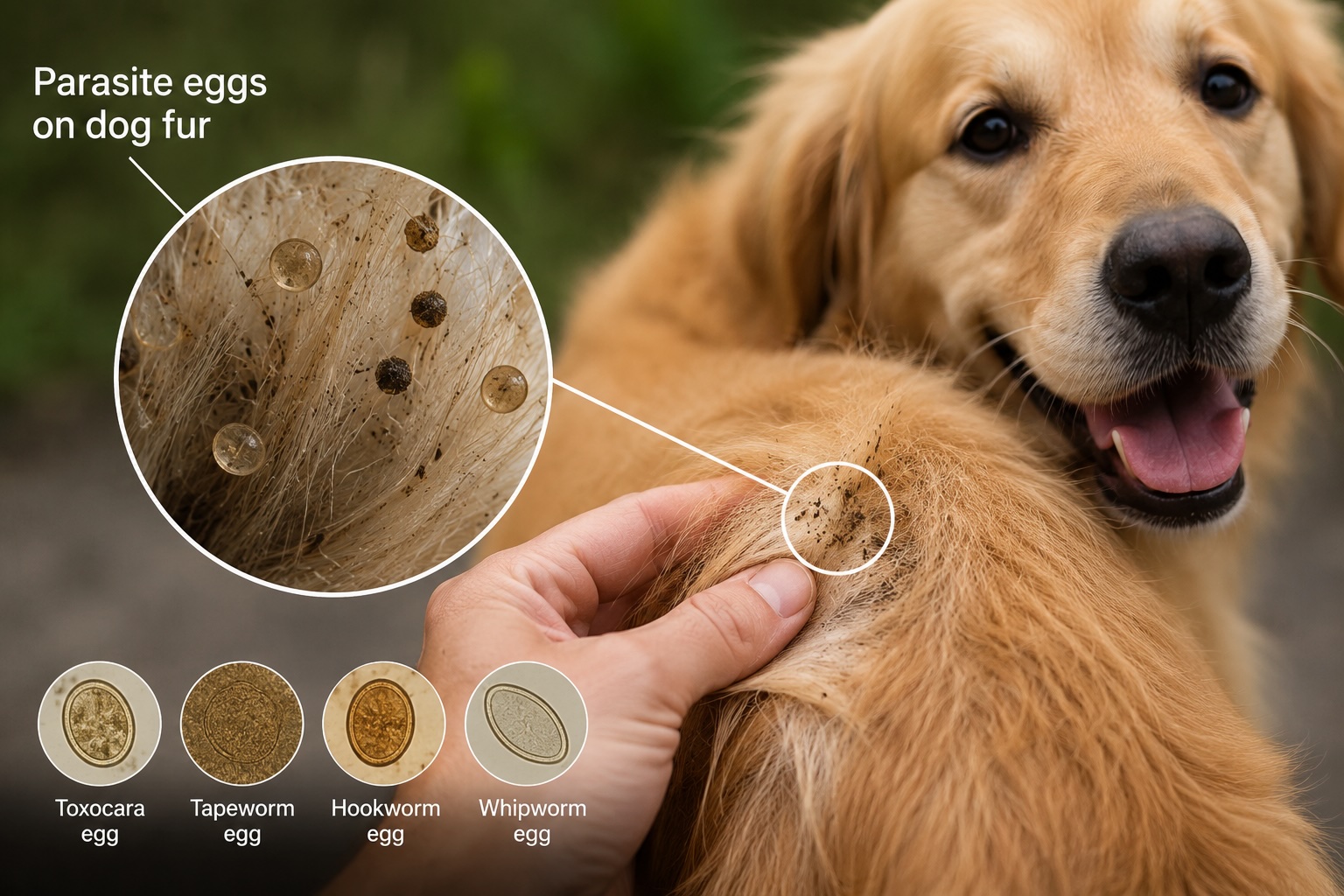
Parasites don't always come from visibly sick animals. Research suggests that dogs can carry parasite eggs into the home on their paws and fur, potentially exposing both pets and people....
Best Foods That Kill Parasites and Worms
June 22, 2026
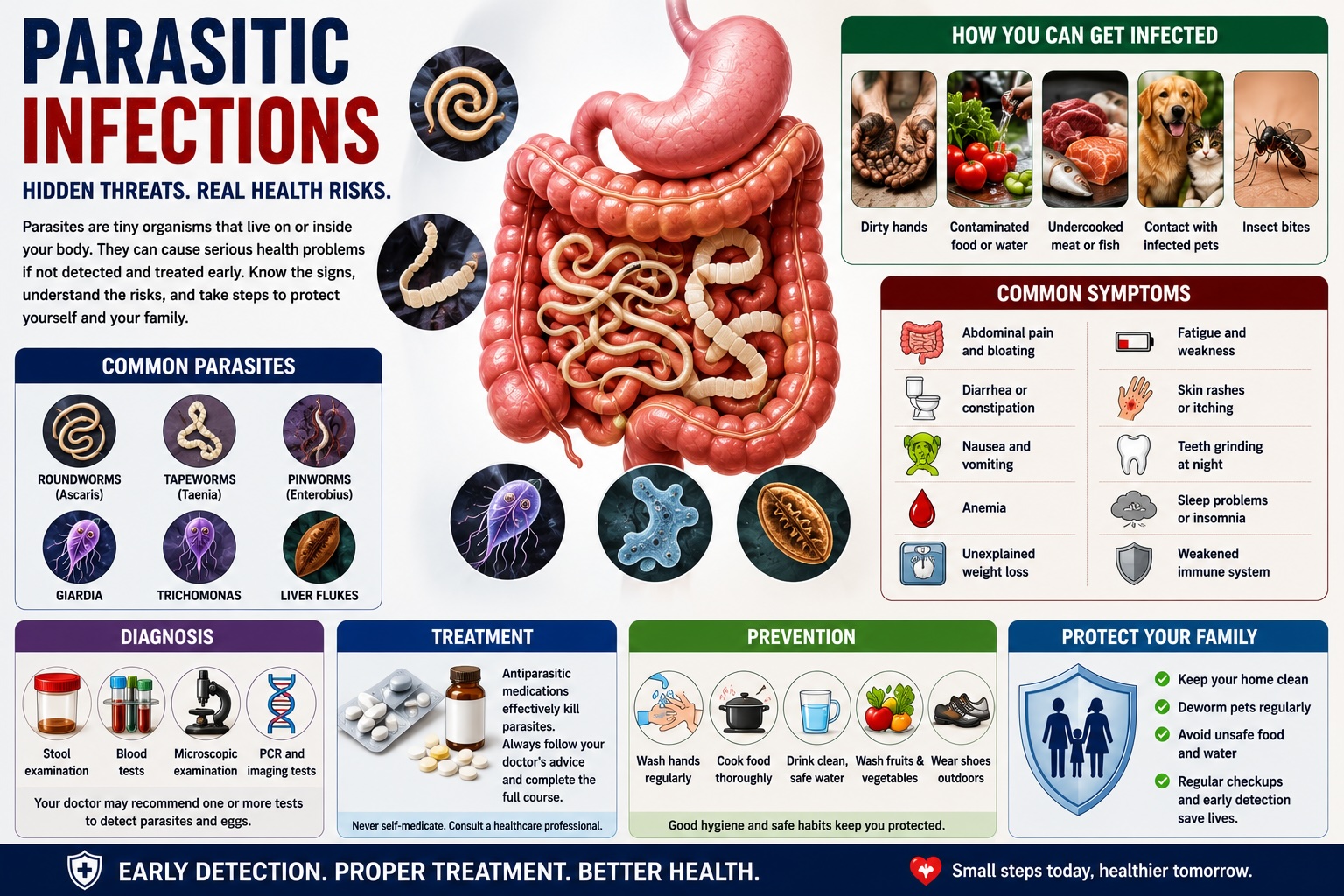
Intestinal worms and parasites can enter the body through contaminated food, water, or poor hygiene practices, leading to digestive discomfort and other health issues. Fortunately, certain natural foods may help...
How to Do a Parasite Cleanse Safely
June 22, 2026
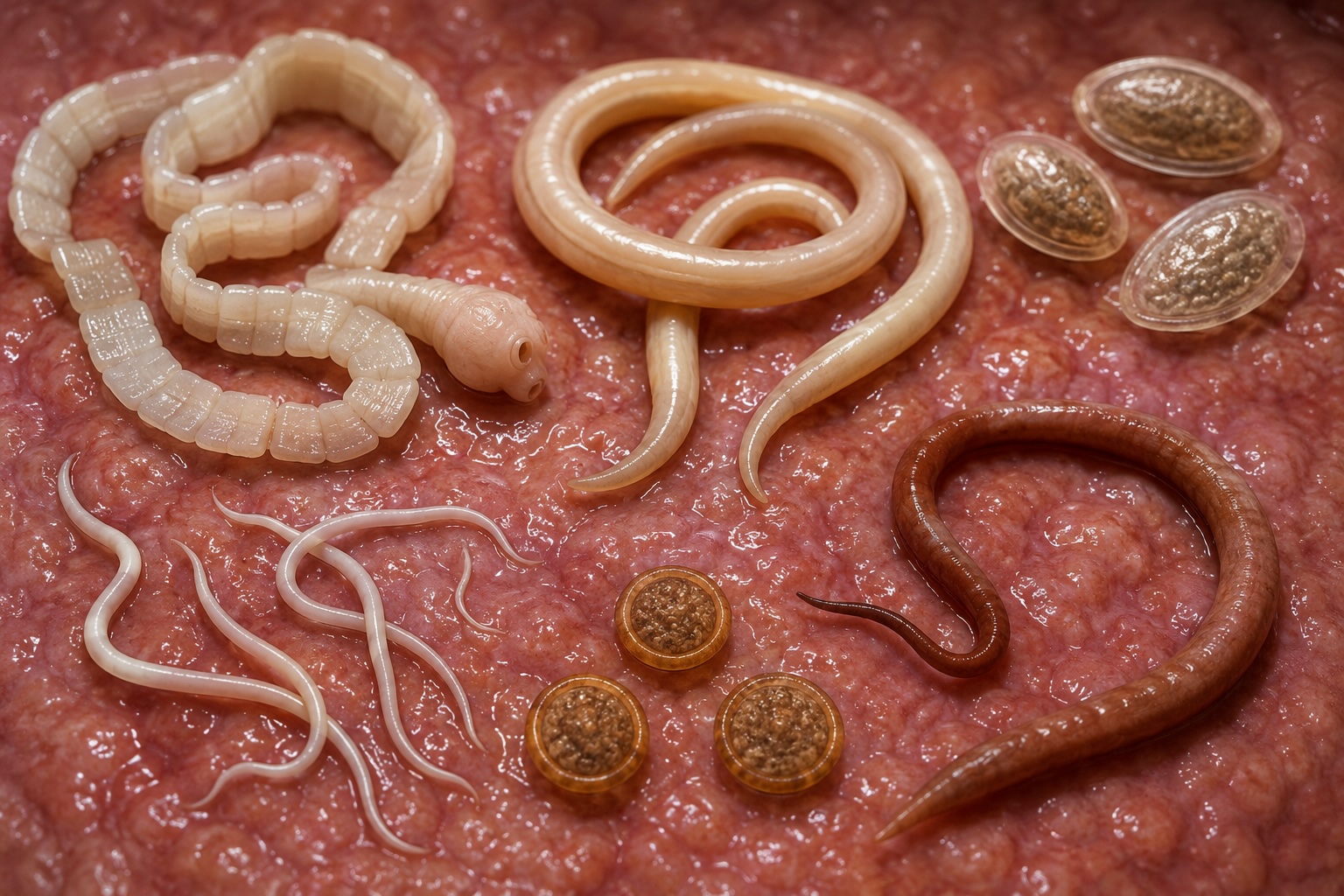
A parasite cleanse should be approached carefully, with safety and proper medical guidance as the top priority. While natural remedies and diet changes are often discussed, not every cleanse is...
Leave a Comment