
No products in cart
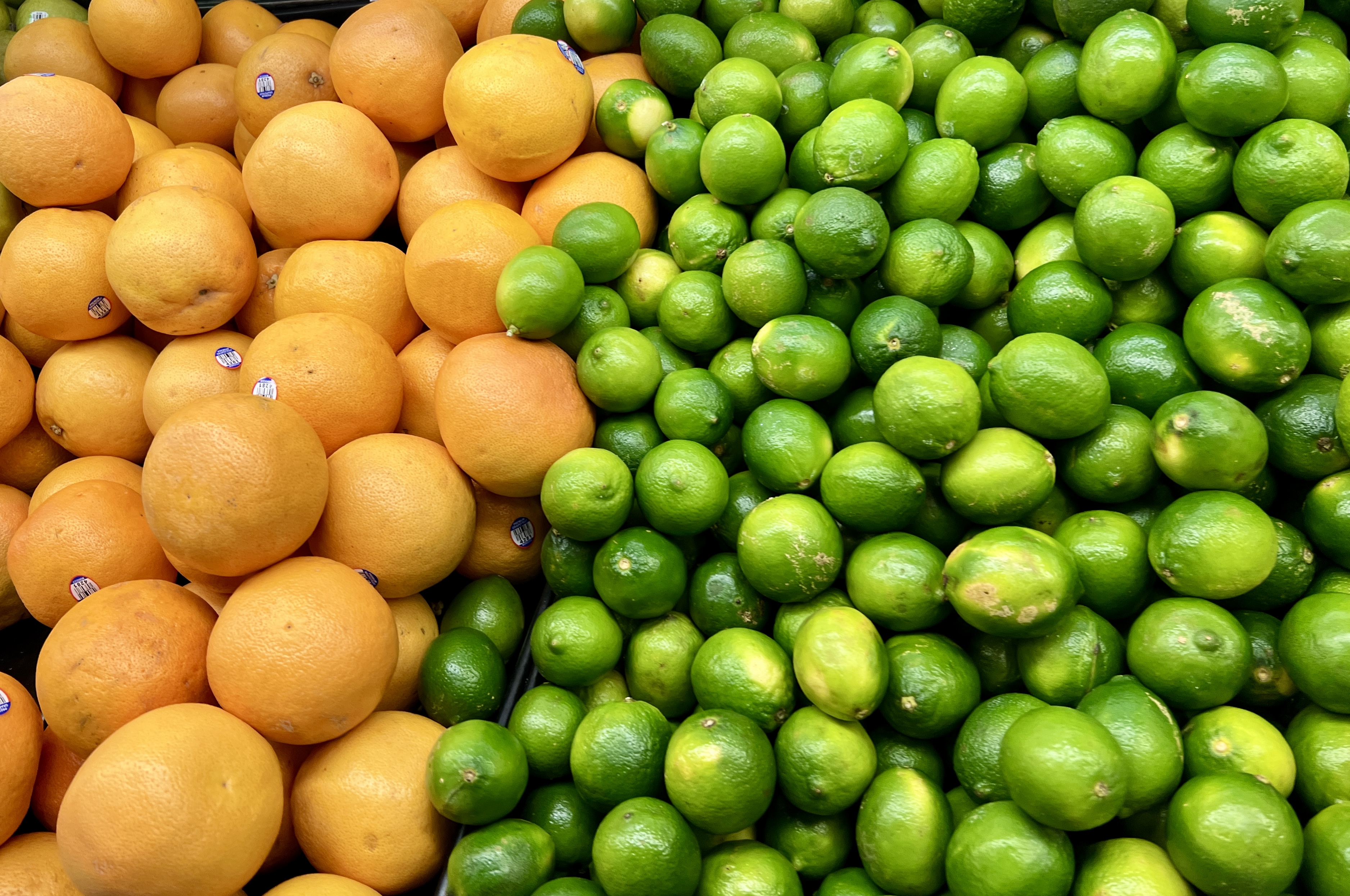
Lemons and limes are two of the most popular citrus fruits in the kitchen. People use lemons and limes around the world to add fresh aroma, bright flavor, and a pleasant sour taste to salads, seafood, baked goods, drinks, and marinades. Although many people think a lime is just an unripe lemon, lemons and limes are different fruits with their own taste, color, benefits, and culinary uses.
Lemons and Limes: What Is the Difference?
Lemons and limes belong to the same citrus family, but they are not the same. Lemons usually have yellow skin, a fresh sour taste, and a slightly sweeter aroma. Limes are green, more intense in flavor, and often have a sharper, slightly bitter taste.
Lemons grow mostly in subtropical regions, while limes prefer tropical climates. Lemon trees usually produce fruit once a year, while lime trees can bear fruit throughout the year.
Storage is another important difference. You can store lemons for several weeks or even months in the right conditions. Limes, however, usually stay fresh for a shorter time, often around two weeks.
The inside of the fruit also looks different. Lemon flesh is usually pale yellow or light green and more translucent. Lime flesh is greener, brighter, and more concentrated in color.
Lemons and Limes in Cooking
Lemons and limes bring freshness to many dishes, but they do not always replace each other perfectly. Lemon has a softer sour taste, which works well with fish, chicken, salads, sauces, baked goods, and warm dishes. Many people add lemon juice to fatty foods because it helps balance the richness.
Lime has a stronger, sharper flavor. It works beautifully in marinades, spicy dishes, cocktails, seafood, and tropical recipes. Mexican, Thai, and Southeast Asian cuisines often use lime in soups, sauces, grilled foods, and fresh salads.
For the best flavor, add lemon juice near the end of cooking or right before serving. This helps preserve its fresh aroma. Lime can work both at the beginning and at the end of cooking, especially in marinades and bold sauces.
Lemons and Limes: Health Benefits
Lemons and limes are known for their vitamin C content. Vitamin C supports the immune system, helps the body produce collagen, and contributes to healthy skin. These citrus fruits also contain plant compounds, minerals, pectin, and essential oils that give them their fresh scent.
Lemons and limes may support digestion, add flavor without extra sugar, and help people drink more water. However, they should not be viewed as miracle foods. They can be part of a healthy lifestyle, but they cannot replace balanced meals, medical care, or healthy daily habits.
What Are Lemons Good For?
Lemons contain organic acids, pectin, carotene, vitamin C, vitamin E, B vitamins, and minerals such as potassium, calcium, magnesium, iron, phosphorus, and zinc. Because of this, many people use lemon as a refreshing addition to their daily diet.
Lemon water is a popular morning drink. A glass of water with a slice of lemon can help you hydrate and may support digestion. It can also be a simple alternative to sugary drinks. For the best results, drink lemon water without added sugar.
Lemon also pairs well with foods that contain iron, such as leafy greens and legumes, because vitamin C can support iron absorption.
What Are Limes Good For?
Limes also contain vitamin C and other beneficial plant compounds. Their bright, sharp taste makes them a great addition to water, salads, sauces, and seafood.
Lime is often valued for its fresh aroma and strong flavor. It can make simple foods taste brighter without adding heavy sauces or extra calories. Some people also use lime juice in warm water as part of their wellness routine.
Lime contains folate, which plays an important role in growth and cell development. However, pregnant women should always follow medical advice and avoid relying on one food as a main source of nutrients.
Lemons and Limes for Drinks
Lemons and limes are perfect for refreshing drinks. You can add a slice of lemon or lime to plain water, sparkling water, iced tea, or homemade lemonade. For extra flavor, combine them with mint, cucumber, orange, or berries.
Lime is commonly used in drinks such as mojitos and margaritas, while lemon works well in teas, lemonades, and simple detox-style waters. Both fruits make water more enjoyable and can encourage better hydration during hot weather.
How to Choose Fresh Lemons and Limes
When choosing lemons, look for fruits with bright, shiny skin. A good lemon should feel firm, not soft or wrinkled. Avoid lemons with mold, dark spots, or damaged skin.
Smooth-skinned lemons often have thinner peels and may contain more juice. Bumpy lemons may have thicker skin, but they can still taste good and work well for zest.
When choosing limes, look for fruits that feel firm, heavy for their size, and evenly colored. A fresh lime should have shiny skin and a strong citrus smell. If you need lime juice, choose larger, heavier limes because they usually contain more liquid.
How to Get More Juice from Lemons and Limes
To get more juice from lemons and limes, roll the fruit on a hard surface before cutting it. Press it gently but firmly with your palm as you roll. This helps soften the inside and makes the juice easier to squeeze.
After rolling, cut the fruit in half and squeeze it by hand or with a citrus press. This simple trick can help you get more juice with less effort.
Fresh Lemons and Limes Are Best
Lemons and limes are most useful when fresh. Heat can reduce some vitamin C content, so fresh juice often gives you the most benefit. Once you cut a lemon or lime, use it as soon as possible, because the fruit can lose freshness quickly.
You can store whole lemons and limes in the refrigerator to keep them fresh longer. If you have leftover juice, keep it in a sealed container and use it within a short time.
When to Be Careful with Lemons and Limes
Although lemons and limes are healthy for many people, they may not be suitable for everyone. People with gastritis, ulcers, pancreatitis, reflux, or citrus allergies may need to limit or avoid them.
Citrus juice is also acidic, so it can affect tooth enamel if consumed often. To protect your teeth, drink citrus water through a straw, rinse your mouth with plain water afterward, and avoid brushing immediately after drinking acidic beverages.
Final Thoughts on Lemons and Limes
Lemons and limes may look similar, but each fruit has its own personality. Lemons taste softer and brighter, while limes taste sharper and slightly bitter. Lemons work beautifully in teas, baked goods, fish, and salads. Limes shine in marinades, cocktails, spicy dishes, and tropical recipes.
By understanding the difference between lemons and limes, you can choose the right citrus fruit for your meals, drinks, and wellness routine. Both fruits bring freshness, flavor, and useful nutrients to everyday life.
Which do you use more often in your kitchen — lemons or limes — and what is your favorite way to use them?



Lia
Founder & Editor Lia is a biologist with many years of research experience and a deep love for natural medicine. She is passionate about natural remedies, healthy living, and simple ways to support the body through nature. Eager to share her knowledge, Lia enjoys offering helpful lifestyle tips, wellness tricks, natural recipes passed down through generations, and inspiring ideas for living a healthier and more balanced life.Related Posts
Top 10 Smoothies to Lose Fat During Summer
July 9, 2026
Discover the top 10 smoothies to lose fat during summer. These refreshing smoothie recipes include berries, greens, yogurt, cucumber, avocado, and other healthy ingredients....
Top 20 Summer Smoothies to Drink This Season
July 9, 2026
Discover the top 20 summer smoothies to drink for hydration, energy, and healthy weight balance. These refreshing smoothie recipes include fruits, berries, greens, yogurt, and light summer ingredients....
Grapefruit Varieties: How to Choose, Store, and Grow Them
July 8, 2026
Grapefruit comes in many varieties, from sweet red grapefruits to yellow, pink, white, and hybrid types like Sweetie and Oroblanco. This guide explains how to choose the sweetest fruit, store...
Leave a Comment