
No products in cart
Excess Weight and High Blood Pressure: A Dangerous Connection You Shouldn’t Ignore
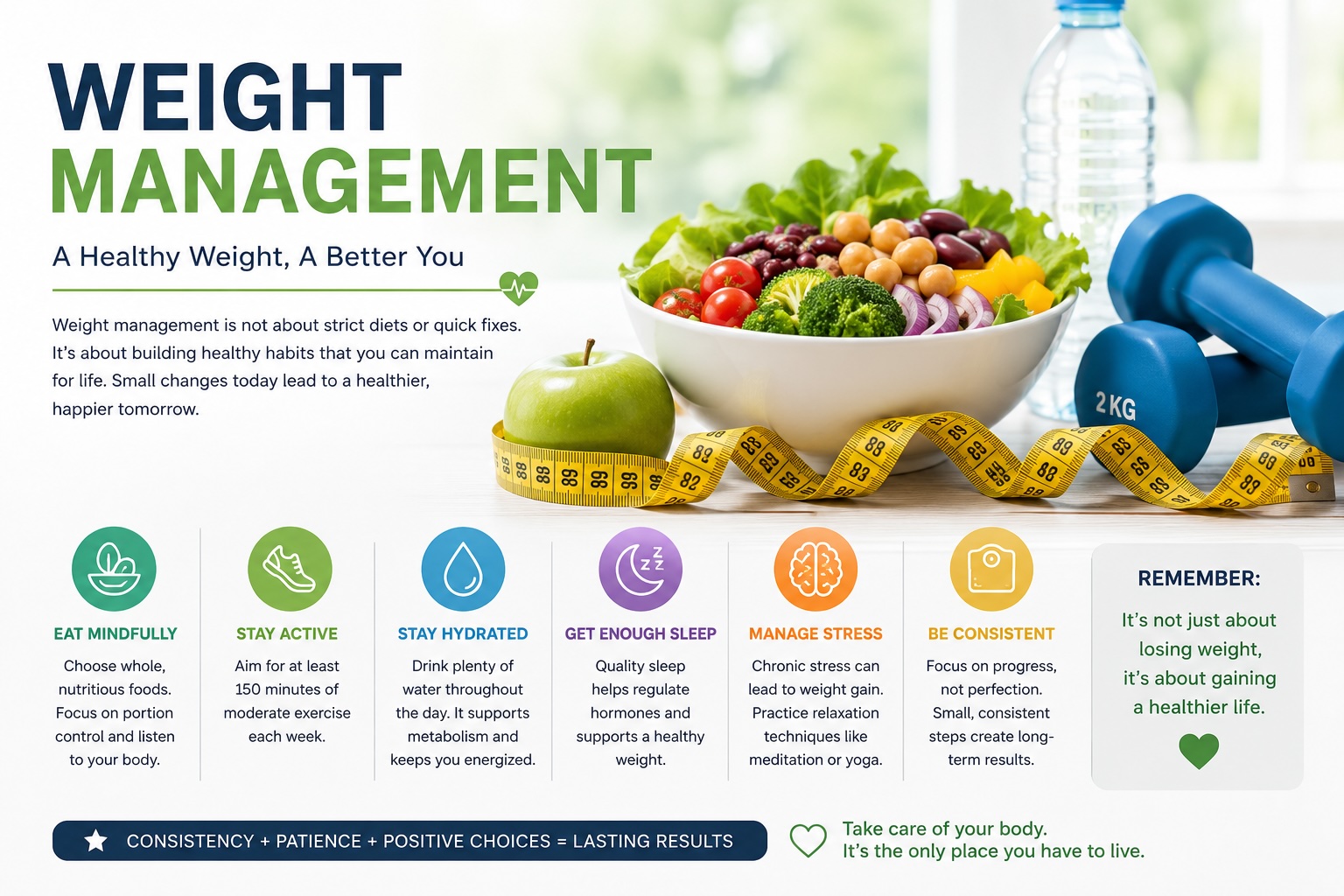
Excess weight is more than just an aesthetic concern—it has a direct impact on the health of the heart and blood vessels. Cardiologists have long recognized that the higher a person’s body weight, the greater their risk of developing high blood pressure. This relationship exists even in individuals who otherwise feel healthy. Understanding the connection between excess weight and blood pressure is essential for preventing serious health complications.
How Does Excess Weight Affect Blood Pressure?
Excess weight and hypertension are one of the most concerning combinations in cardiovascular health. Every extra kilogram places additional strain on the heart and circulatory system. To supply blood to a larger body mass, the heart must work harder and pump more forcefully. As a result, blood pressure rises. People with obesity are estimated to have a three- to fourfold higher risk of developing hypertension compared to those with a healthy weight.
Several biological mechanisms contribute to this process. Excess fat tissue—particularly around the abdomen—stimulates the sympathetic nervous system, causing the heart to beat faster and more forcefully. Fat tissue is also hormonally active and produces substances that narrow blood vessels and promote fluid retention, increasing blood volume and blood pressure. In addition, obesity is often associated with insulin resistance, a condition that affects blood vessel function and further contributes to elevated blood pressure.
Why Is Excess Weight Dangerous in People with Hypertension?
When excess weight and high blood pressure occur together, the risk of serious health complications increases significantly. The heart is forced to pump blood through an expanded network of blood vessels, leading to chronic overwork. Over time, this can cause thickening of the heart muscle and eventually heart failure.
At the same time, elevated blood pressure damages artery walls and accelerates the development of atherosclerosis, dramatically increasing the risk of heart attack and stroke. Beyond cardiovascular disease, the combination of obesity and hypertension raises the likelihood of developing type 2 diabetes, sleep apnea, joint problems, and liver disease. These conditions can substantially reduce both quality of life and life expectancy.
Diagnosis
Early and comprehensive evaluation is essential for assessing risk and determining the best treatment strategy.
One of the most useful tools for evaluating weight-related health risks is the Body Mass Index (BMI), calculated by dividing weight in kilograms by height in meters squared. A BMI between 18.5 and 24.9 is considered normal, 25 to 29.9 indicates overweight status, and 30 or higher is classified as obesity. Waist circumference is another important measure; values above 102 cm (40 inches) in men and 88 cm (35 inches) in women are associated with increased health risks.
Individuals with suspected weight-related hypertension should undergo a medical evaluation that may include 24-hour blood pressure monitoring, an electrocardiogram (ECG), echocardiography, blood tests to assess cholesterol, glucose, and kidney function, and consultation with an endocrinologist when appropriate.
Treatment
Effective treatment must address both high blood pressure and excess weight. Weight reduction is considered the cornerstone of therapy. Research shows that losing as little as 5–10% of initial body weight can lower blood pressure by approximately 10–15 mmHg.
If blood pressure remains elevated, physicians may prescribe antihypertensive medications tailored to the patient’s individual health profile. While these medications help control blood pressure, they do not eliminate the underlying cause when excess weight is a contributing factor.
A healthy eating plan is also critical. Successful dietary strategies focus on reducing salt intake to no more than 5 grams per day, creating a moderate calorie deficit, increasing consumption of vegetables, fruits, and whole grains, choosing healthy fats such as fish, nuts, and plant oils, and limiting processed foods, sugary beverages, and fast food. This approach supports both weight loss and blood pressure control.
Regular physical activity is equally important. Aerobic exercises such as walking, swimming, and cycling for 30–60 minutes a day, three to five times per week help strengthen the cardiovascular system, lower blood pressure, and support weight management. Strength training can further improve metabolism by increasing muscle mass.
Prevention
Preventing weight gain is often easier than treating its consequences. Maintaining healthy lifestyle habits is the most effective way to reduce the risk of weight-related hypertension. This includes staying physically active, following a balanced diet, avoiding smoking and excessive alcohol consumption, managing stress, and regularly monitoring body weight and blood pressure.
Hypertension associated with excess weight should never be ignored. The encouraging news is that even modest lifestyle changes can significantly improve long-term health outcomes. With appropriate medical guidance and a commitment to healthy habits, it is possible not only to control blood pressure but also to address the underlying factors contributing to its elevation.
Since even a small reduction in body weight can lead to meaningful improvements in blood pressure, what lifestyle changes do you think are the most realistic and sustainable for people trying to improve both their weight and heart health?


Nikole
Senior Editor Nikole has worked as an editor for a newspaper company and brings a strong eye for detail, storytelling, and clear communication. She is passionate about a natural, healthy lifestyle and enjoys learning about plants, wellness, and simple ways to live in harmony with nature. Through her interests and experience, she hopes to share helpful, inspiring, and easy-to-understand content with readers.Related Posts
Top 10 Smoothies to Lose Fat During Summer
July 9, 2026
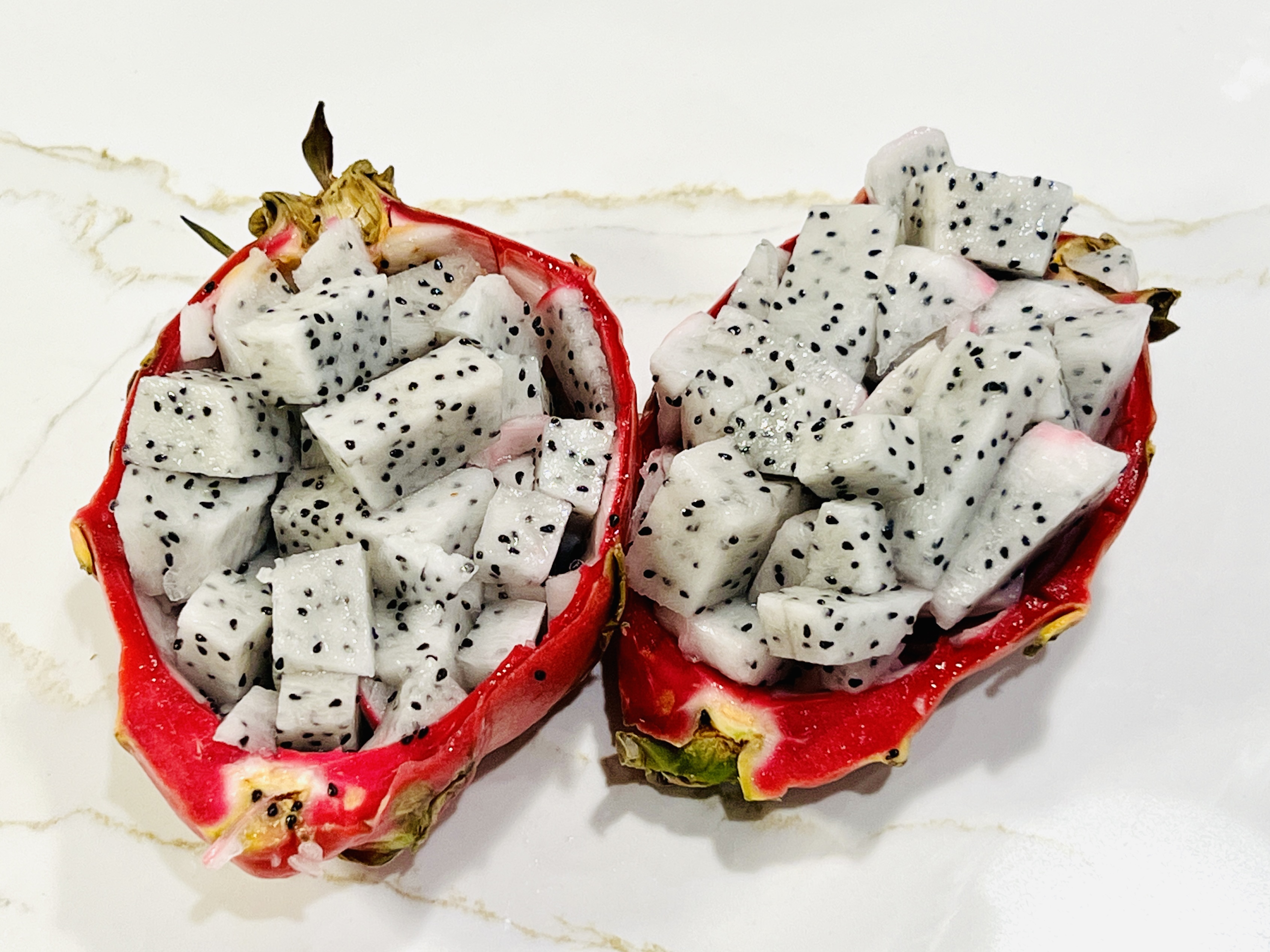
Discover the top 10 smoothies to lose fat during summer. These refreshing smoothie recipes include berries, greens, yogurt, cucumber, avocado, and other healthy ingredients....
Top 20 Summer Smoothies to Drink This Season
July 9, 2026
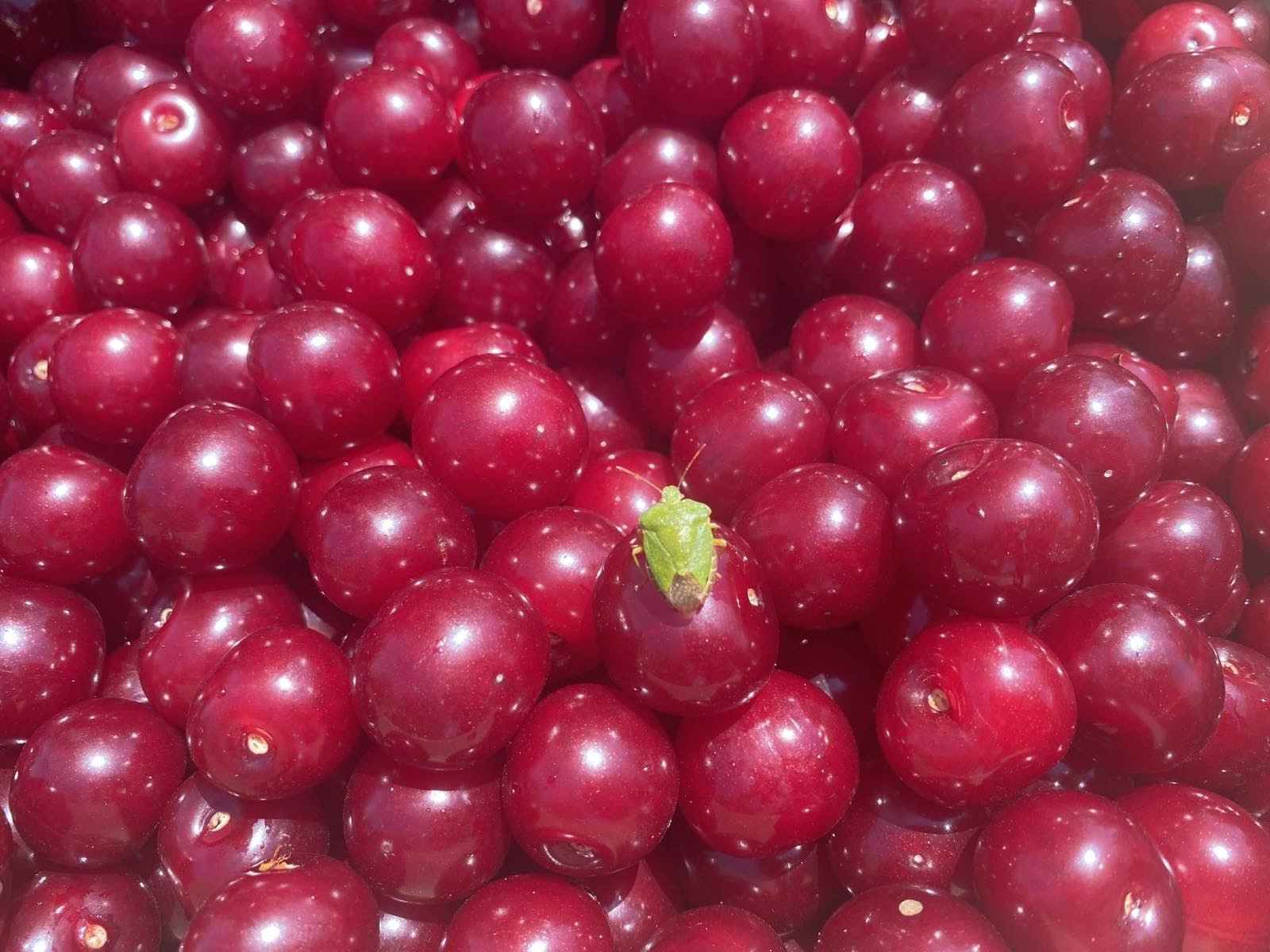
Discover the top 20 summer smoothies to drink for hydration, energy, and healthy weight balance. These refreshing smoothie recipes include fruits, berries, greens, yogurt, and light summer ingredients....

Smoothies for Weight Loss: How They Work and 25 Easy Recipes to Try
July 9, 2026
Smoothies for weight loss can be a healthy breakfast, snack, or light meal when made with the right balance of fiber, protein, healthy fats, and low-sugar ingredients. Learn how smoothies...
Leave a Comment