
No products in cart
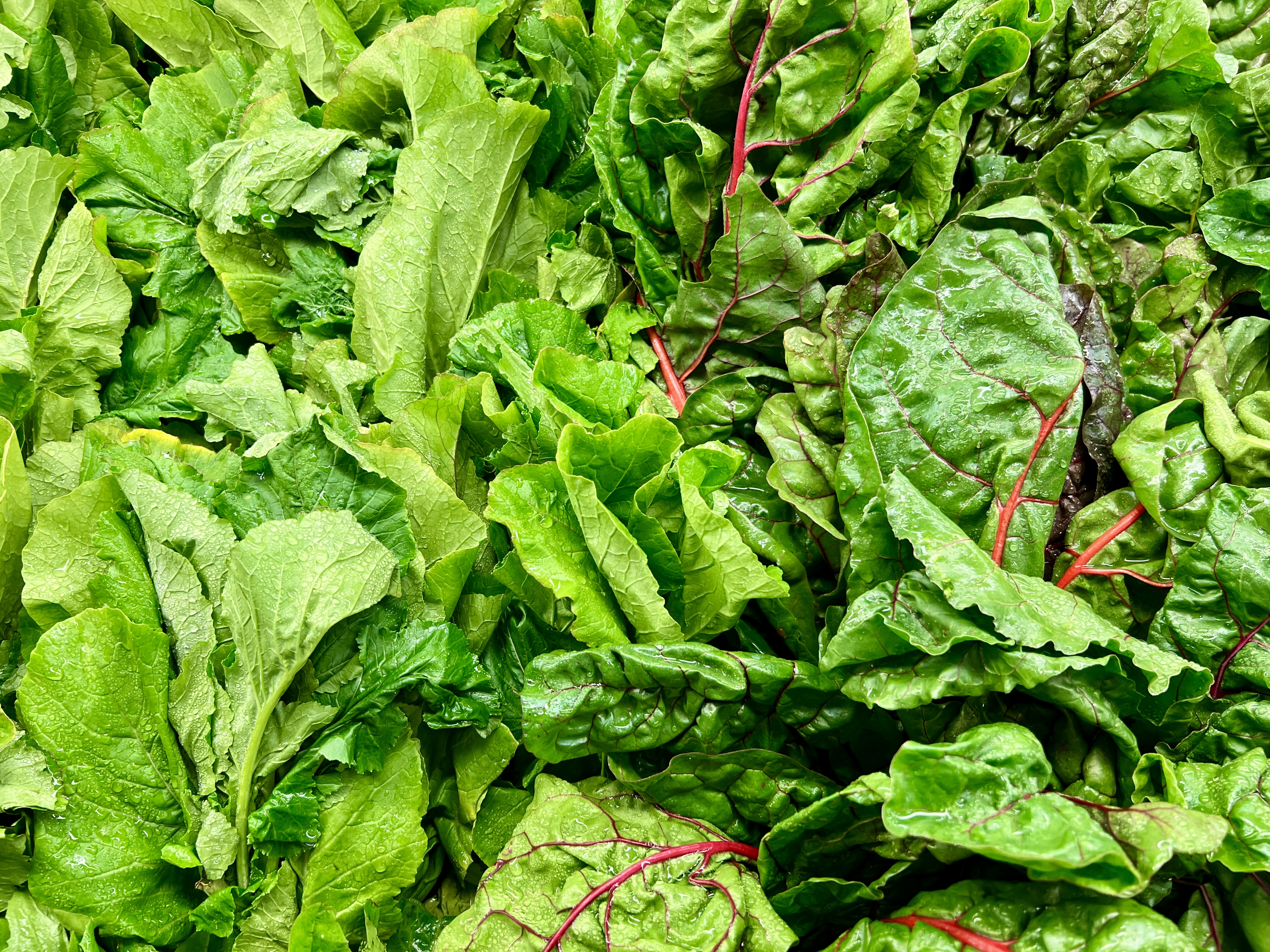
Skip the Hype: Affordable Everyday Foods That Can Replace Expensive Superfoods
Superfoods have become a major trend in healthy eating, often promoted as essential ingredients for wellness and longevity. However, many of these fashionable foods come with a high price tag, largely driven by marketing rather than unique nutritional advantages.
The good news is that you don’t need exotic ingredients to maintain a healthy diet. According to nutrition experts, many expensive superfoods can be replaced with affordable, everyday foods that offer similar nutritional benefits.
1. Tropical Fruit Smoothies vs. Apple, Kiwi, and Banana Smoothies
Smoothies made with mango, papaya, and other tropical fruits are often promoted as the perfect healthy breakfast or snack. However, a smoothie made with apples, kiwis, and bananas can provide many of the same nutritional benefits at a fraction of the cost.
Apples are rich in pectin, a type of soluble fiber that acts as a prebiotic and helps support a healthy gut microbiome. Kiwi is packed with Vitamin C, while bananas provide potassium, an essential mineral that supports heart and vascular health.
Both options can be excellent additions to a balanced diet, helping you meet your daily needs for vitamins, minerals, and fiber.
2. Kimchi vs. Traditional Sauerkraut
Kimchi and sauerkraut are produced using similar fermentation processes, yet their prices can vary significantly in stores.
Both foods are naturally rich in beneficial probiotics, fiber, and B vitamins. Kimchi typically contains additional ingredients such as ginger, garlic, and chili peppers, which contribute to its unique flavor and support the growth of specific beneficial microorganisms.
When consumed in moderation, both fermented foods can support digestive health. However, because they are acidic and often high in salt, people with sensitive digestive systems should consume them carefully.
3. Quinoa vs. Buckwheat
Quinoa is widely praised for its high-quality plant protein, fiber, magnesium, and zinc content. Because it is often imported over long distances, it tends to be more expensive than locally available grains.
Buckwheat, however, offers a comparable nutritional profile. It is also rich in protein, complex carbohydrates, and B vitamins, making it an excellent and affordable alternative.
In a balanced diet, quinoa and buckwheat can easily complement or replace one another.
4. Fresh Imported Berries vs. Frozen Berry Mixes
Fresh blueberries, raspberries, and other imported berries can be expensive during the colder months due to transportation and storage costs.
Frozen berries are often a more budget-friendly option while still retaining much of their nutritional value. Modern flash-freezing techniques help preserve vitamins, minerals, antioxidants, and flavor.
In fact, berries frozen at peak ripeness may provide nutritional benefits similar to fresh berries that have spent days traveling from distant countries.
Frozen berry mixes are ideal for smoothies, oatmeal, yogurt, desserts, and healthy snacks throughout the year.
5. Matcha vs. Traditional Green Tea
Matcha has become one of the most popular wellness beverages worldwide. It is made from finely ground green tea leaves that are grown under shade before harvesting, increasing their chlorophyll content and contributing to the tea’s vibrant green color.
The specialized cultivation and production process significantly increase its cost.
Traditional loose-leaf green tea offers a more affordable alternative while still providing many of the same health benefits. Both contain antioxidants that help protect cells from oxidative stress and support cardiovascular health.
Although matcha contains higher concentrations of certain compounds because the entire leaf is consumed, high-quality green tea remains an excellent choice for everyday consumption.
It’s also worth noting that many matcha-based drinks are served with milk, syrups, and sweeteners, which can dramatically increase calorie content and reduce some of the health benefits often associated with the beverage.
Healthy Eating Doesn’t Have to Be Expensive
Many trendy superfoods provide valuable nutrients, but they are not irreplaceable. Local, seasonal, and affordable foods often deliver similar health benefits while being easier on your budget.
Rather than focusing on expensive wellness trends, prioritize a balanced diet rich in fruits, vegetables, whole grains, healthy fats, and quality protein sources. Consistency matters far more than any single “superfood.”
The healthiest diet is not necessarily the most expensive one—it’s the one you can enjoy, maintain, and sustain over the long term.
Which expensive superfood would you replace with a simpler, more affordable alternative in your daily diet?



Lia
Founder & Editor Lia is a biologist with many years of research experience and a deep love for natural medicine. She is passionate about natural remedies, healthy living, and simple ways to support the body through nature. Eager to share her knowledge, Lia enjoys offering helpful lifestyle tips, wellness tricks, natural recipes passed down through generations, and inspiring ideas for living a healthier and more balanced life.Related Posts
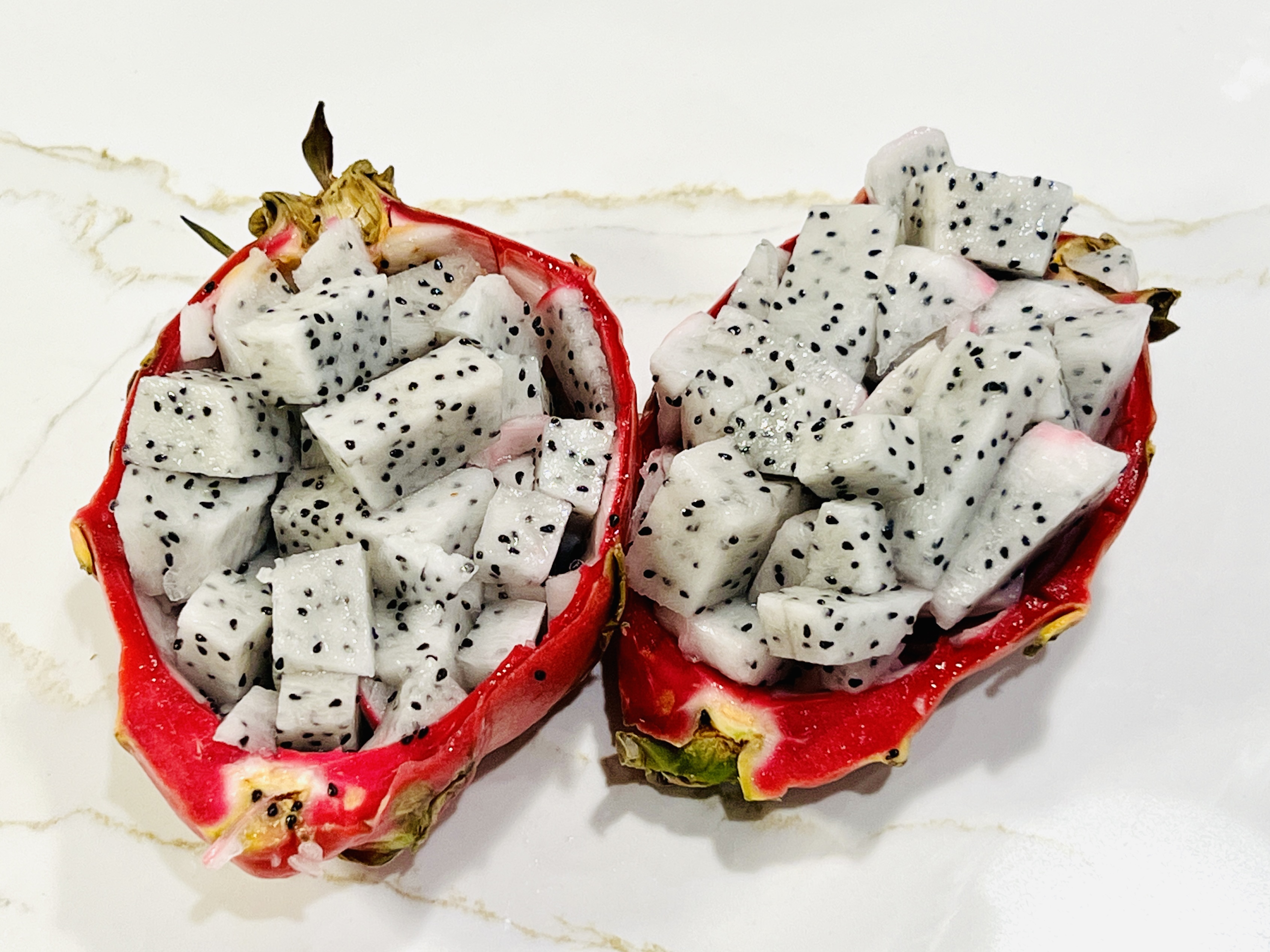
Top 10 Smoothies to Lose Fat During Summer
July 9, 2026
Discover the top 10 smoothies to lose fat during summer. These refreshing smoothie recipes include berries, greens, yogurt, cucumber, avocado, and other healthy ingredients....
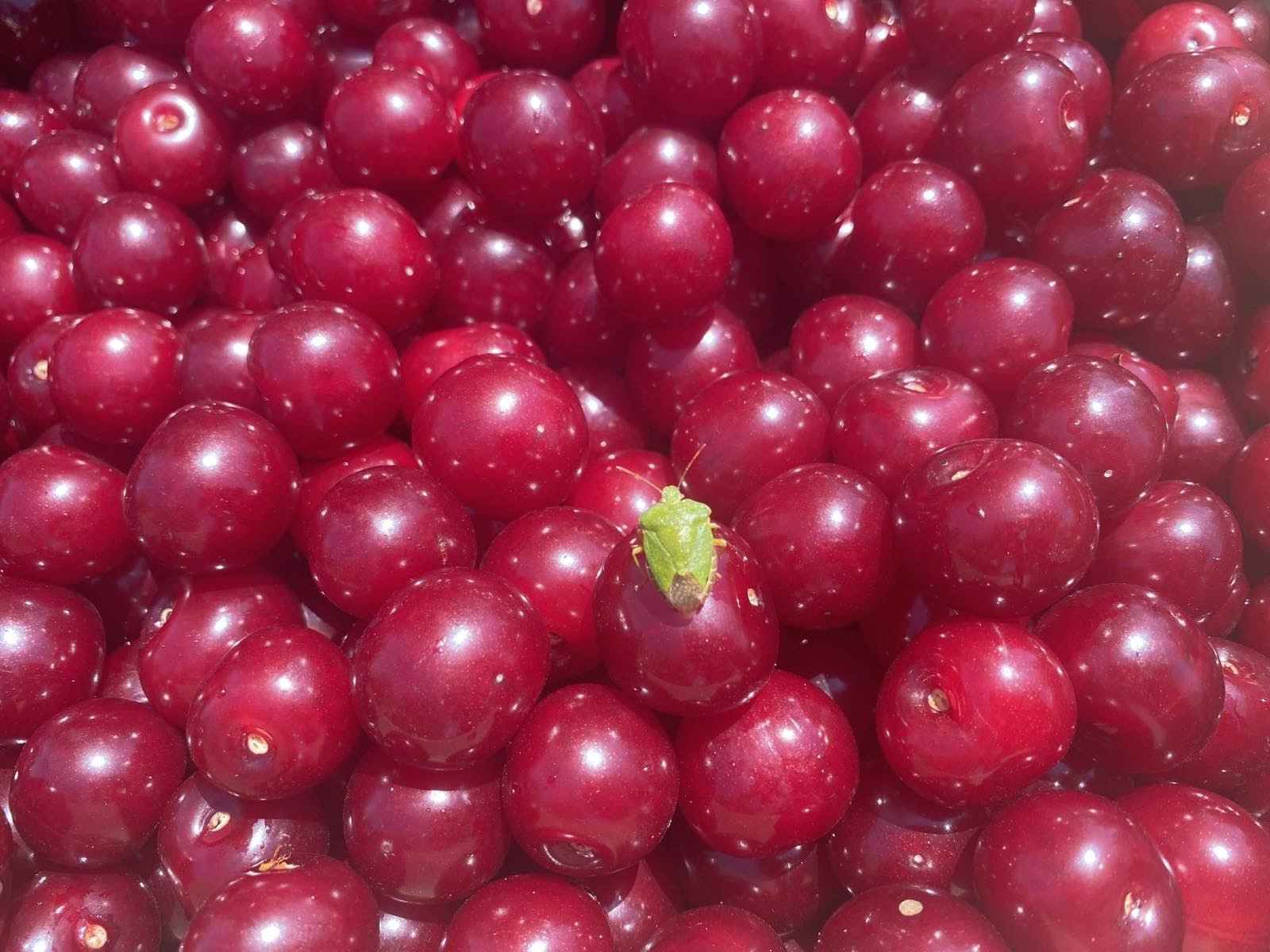
Top 20 Summer Smoothies to Drink This Season
July 9, 2026
Discover the top 20 summer smoothies to drink for hydration, energy, and healthy weight balance. These refreshing smoothie recipes include fruits, berries, greens, yogurt, and light summer ingredients....
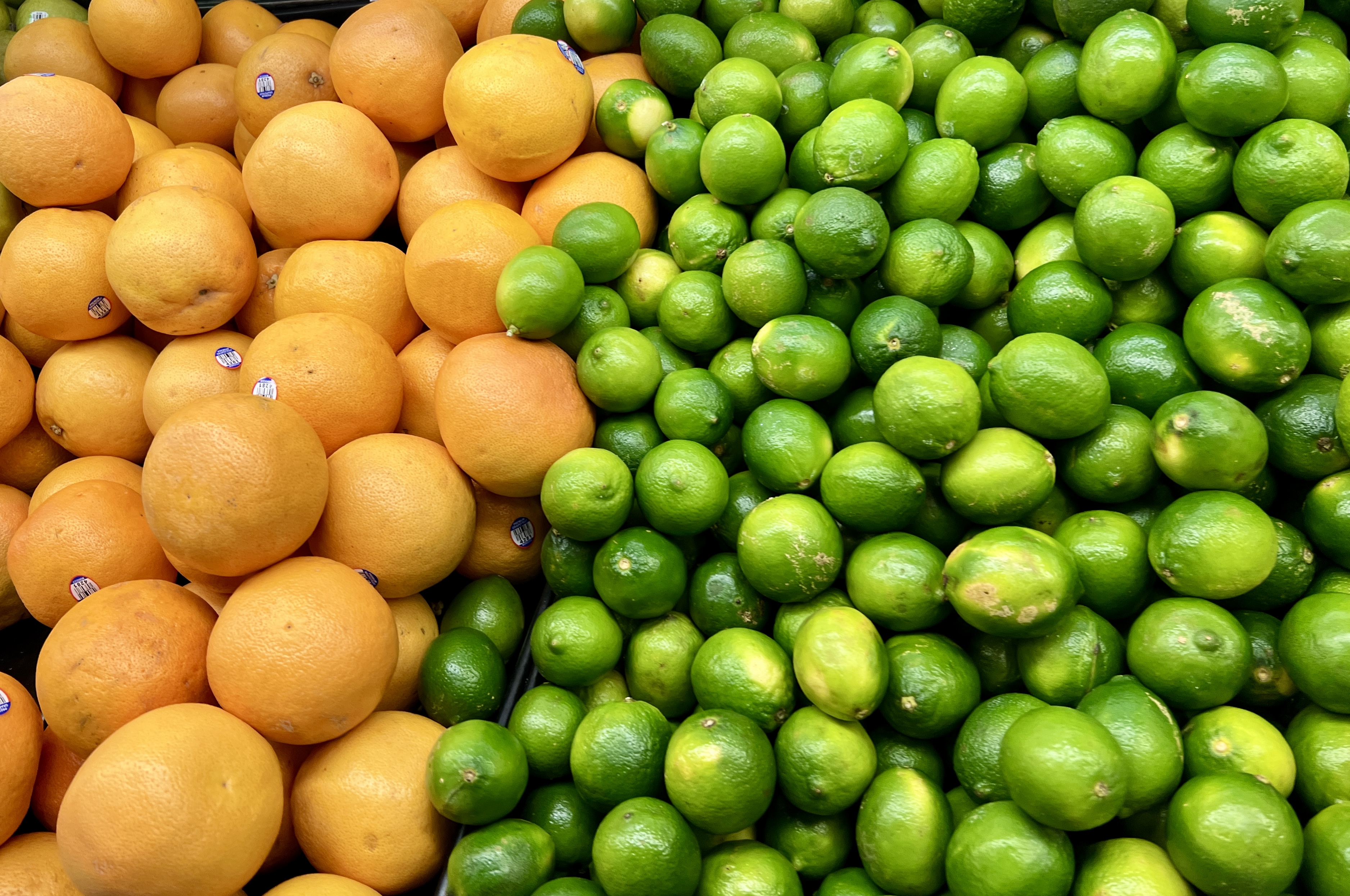
Grapefruit Varieties: How to Choose, Store, and Grow Them
July 8, 2026
Grapefruit comes in many varieties, from sweet red grapefruits to yellow, pink, white, and hybrid types like Sweetie and Oroblanco. This guide explains how to choose the sweetest fruit, store...
Leave a Comment