
No products in cart
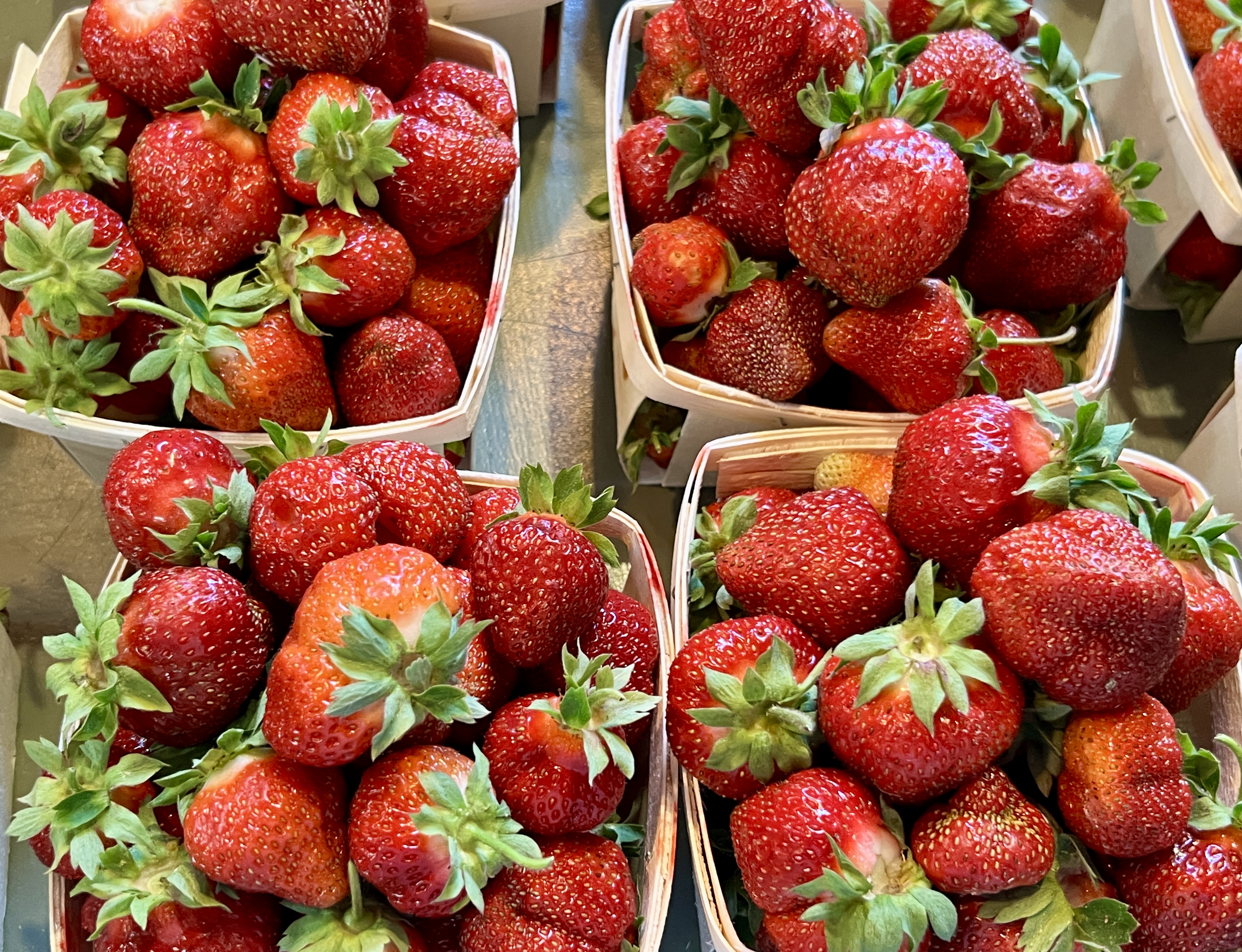
Apricots, peaches, and nectarines are some of the most loved summer stone fruits. They are sweet, aromatic, juicy, and perfect for fresh snacks, desserts, drinks, preserves, and even savory dishes. Although these fruits look similar and belong to the same botanical family, they differ in size, skin texture, flavor, juiciness, calories, and nutrient profile.
So, what is the real difference between apricots, peaches, and nectarines? Let’s compare them in a simple and practical way.
What Do Apricots, Peaches, and Nectarines Have in Common?
Apricots, peaches, and nectarines all belong to the rose family, the same plant family that includes roses, apples, pears, cherries, and plums. More specifically, they belong to the Prunus genus, which includes many stone fruits. They are called stone fruits because each fruit has soft flesh and a hard pit, or stone, inside. These fruits usually appear in summer and early autumn, when their aroma and flavor are at their best.
In general, all three fruits have:
| Common feature | Description |
|---|---|
| Fruit type | Stone fruit |
| Plant family | Rose family |
| Season | Summer and early autumn |
| Taste | Sweet or sweet-aromatic |
| Texture | Soft, juicy, or firm flesh |
| Main use | Fresh eating, baking, compotes, jams, and desserts |
Apricot, Peach, and Nectarine: Origin and Relationship
Apricots, peaches, and nectarines are close relatives, but they are not the same fruit. The scientific name of the apricot is Prunus armeniaca. It is also known as the “Armenian plum.” Apricots are biologically closer to plums than to peaches or nectarines.
The peach is called Prunus persica. It is sometimes known as the “Persian apple,” although the history of peaches goes back thousands of years to ancient China.
A nectarine is not a completely separate fruit from a peach. It is a smooth-skinned variety of peach. A natural mutation gave nectarines their glossy skin instead of the fuzzy skin usually found on peaches.
Apricot vs. Peach vs. Nectarine: Main Differences
The easiest way to tell these fruits apart is by looking at their skin, size, texture, and juiciness.
| Feature | Apricot | Peach | Nectarine |
|---|---|---|---|
| Skin | Smooth or slightly velvety | Fuzzy and soft | Smooth and glossy |
| Size | Smallest, usually 4–6 cm | Larger, usually 6–10 cm | Similar to peach, sometimes slightly smaller or larger |
| Color | Orange or yellow, sometimes with red blush | Yellow, orange, red, or pale tones | Bright red, orange, or yellow with glossy blush |
| Flesh | Firm and aromatic | Soft, tender, and juicy | Firm, sweet, and less juicy than peach |
| Taste | Sweet-tart and concentrated | Sweet, juicy, and delicate | Sweet, bright, and slightly more intense |
| Pit | Small | Larger | Similar to peach |
| Best for | Jams, compotes, dried fruit, baking | Fresh eating, desserts, drinks | Fresh eating, salads, grilling, baking |
How Apricots Differ from Peaches
Apricots are much smaller than peaches. They usually have orange or yellow skin, sometimes with a reddish blush. Their flesh is firmer, less juicy, and more concentrated in flavor.
Peaches are larger, softer, sweeter, and much juicier. Their skin has a fine fuzz, which helps protect the fruit from insects and excess moisture. Peaches are excellent for eating fresh because of their soft texture and high water content.
In cooking, apricots hold their shape better than peaches. This makes them a good choice for jams, preserves, compotes, and baked goods.
How Peaches Differ from Nectarines
Peaches and nectarines are very similar because nectarines are actually a smooth-skinned type of peach. The biggest difference is the skin. Peaches have fuzzy skin, while nectarines have smooth, glossy skin. Nectarines also tend to have firmer flesh and a more concentrated sweetness. They are usually less juicy than peaches, but they keep their shape better when sliced.
Because of their firm texture, nectarines work especially well in salads, grilled dishes, tarts, and fruit platters.
Taste and Texture Comparison
| Fruit | Texture | Flavor | Juiciness |
|---|---|---|---|
| Apricot | Firm and dense | Sweet-tart, aromatic, concentrated | Moderate |
| Peach | Soft and tender | Sweet, mild, classic summer flavor | Very high |
| Nectarine | Firm and elastic | Sweet, bright, slightly sharper | Medium to high |
Nutrition Comparison: Apricot, Peach, and Nectarine
Apricots, peaches, and nectarines have a similar nutritional profile. They all contain water, natural sugars, fiber, B vitamins, potassium, copper, vitamin K, antioxidants, and vitamin C.
However, the exact amount of calories, sugar, and water differs slightly.
| Nutrient per 100 g | Apricot | Peach | Nectarine |
|---|---|---|---|
| Calories | About 48 kcal | About 39 kcal | About 44 kcal |
| Sugar | About 9.24 g | About 8.39 g | About 7.89 g |
| Water | About 86.4 g | About 88.9 g | About 87.6 g |
| Main strength | Beta-carotene and vitamin C | Low calories and hydration | Potassium and lower sugar |
Quick Nutrition Chart
| Best choice for… | Choose |
|---|---|
| Lowest calories | Peach |
| Lowest sugar | Nectarine |
| Highest water content | Peach |
| More beta-carotene | Apricot |
| Firmer texture | Nectarine or apricot |
| Classic juicy sweetness | Peach |
| Jams and preserves | Apricot |
| Smooth skin without fuzz | Nectarine |
Health Benefits of Apricots, Peaches, and Nectarines
All three fruits can be part of a healthy diet. They support hydration, digestion, immune health, and provide antioxidants that help protect the body from oxidative stress.
Apricots May Support Eye Health
Apricots stand out because they contain more beta-carotene, a plant form of vitamin A. This nutrient supports healthy vision and helps protect cells from damage.
Apricots also contain vitamin C, vitamin E, carotenoids, and lutein. These nutrients may support the retina, lens, and overall eye health. However, apricots should not be treated as medicine. They are helpful as part of a balanced diet.
Peaches Help with Hydration
Peaches contain the most water among the three fruits. This makes them especially refreshing in hot weather. Their soft, juicy texture makes them perfect for summer snacks, smoothies, fruit salads, and homemade drinks. Peaches are also the lowest in calories, which makes them a light and satisfying choice for people who want a naturally sweet snack.
Nectarines May Support Heart Health
Nectarines contain potassium and beneficial plant compounds called polyphenols. Potassium supports normal heart and muscle function, while polyphenols may help protect the cardiovascular system.
Nectarines also contain slightly less sugar than apricots and peaches, which may make them a good option for people who want a sweet fruit with a firmer texture.
Digestive Benefits
Apricots, peaches, and nectarines contain fiber, especially in the skin. Fiber supports digestion and helps feed beneficial gut bacteria.
For the most fiber, eat the fruit with the skin when possible. However, always wash the fruit well before eating it.
Antioxidants in Stone Fruits
Apricots, peaches, and nectarines contain antioxidants, including catechins, anthocyanins, chlorogenic acids, and quercetin. These compounds may help reduce oxidative stress and support the body’s natural defense system.
Antioxidants do not make these fruits a cure for disease, but they do make them a valuable part of a colorful, plant-rich diet.
Can Apricots, Peaches, and Nectarines Cause Harm?
For most people, these fruits are safe and healthy in normal amounts. However, some people may need to be careful. Apricots, peaches, and nectarines contain fructans, a type of carbohydrate that can ferment in the gut. Eating too much may cause gas, bloating, or discomfort in sensitive people.
Possible concerns include:
| Concern | What to know |
|---|---|
| Bloating or gas | May happen if you eat too many at once |
| Allergies | Some people may react to stone fruits |
| Digestive sensitivity | People with sensitive digestion may need smaller portions |
| Added sugar | Jams and compotes can become high in sugar |
How to Choose Ripe Apricots, Peaches, and Nectarines
When buying these fruits, use four simple signs: firmness, aroma, skin condition, and color.
| Sign | What to look for |
|---|---|
| Firmness | The fruit should give slightly when pressed, but should not feel mushy |
| Aroma | A ripe fruit should smell sweet and fragrant |
| Skin | Avoid dark spots, cracks, mold, or signs of rot |
| Color | Look for rich orange, yellow, red, or golden tones depending on the fruit |
For apricots, choose fruits with a rich orange color and a pleasant aroma. For peaches, look for golden-yellow, orange, or red tones and a sweet smell. For nectarines, choose firm, glossy fruits with bright color and smooth skin.
How to Use Apricots, Peaches, and Nectarines
These fruits are very versatile. You can enjoy them fresh or add them to both sweet and savory dishes.
| Use | Best fruit choices |
|---|---|
| Fresh snack | Peach, nectarine, apricot |
| Fruit salad | Peach and nectarine |
| Baking | Apricot, peach, nectarine |
| Jam and preserves | Apricot |
| Compote | Peach or apricot |
| Grilling | Nectarine and peach |
| Smoothies | Peach and nectarine |
| Savory dishes | Nectarine and peach |
You can add them to oatmeal, yogurt, cottage cheese, salads, cakes, pies, tarts, jams, sauces, or summer drinks. You can also grill peaches or nectarines and serve them with cheese, herbs, or poultry.
Are Apricot Jam and Peach Compote Healthy?
Fresh fruits are usually the best choice because they contain more heat-sensitive vitamins and natural plant compounds. However, jams and compotes can still have some benefits. Apricot or peach jam may still contain minerals, fiber, and some phytonutrients, but it also usually contains added sugar. Because of that, enjoy jam in small amounts. Peach compote can be a refreshing drink, especially in summer. To get more fiber, eat the fruit pieces along with the liquid.
Simple Peach or Nectarine Compote Recipe
This light peach compote is refreshing and easy to make. You can use peaches or nectarines.
| Ingredient | Amount |
|---|---|
| Fresh peaches or nectarines | 500 g |
| Mint | A few sprigs |
| Sugar | 150 g, optional |
| Water | 3 liters |
How to Make It
- Wash the peaches or nectarines.
- Cut them in half and remove the pits.
- Slice the fruit into large pieces.
- Bring the water to a boil.
- Add mint, sugar, and fruit slices.
- Cook for 5–7 minutes.
- Remove from heat and let the compote cool.
- Chill in the refrigerator before serving.
For a lighter version, skip the sugar or replace it with stevia.
What Should You Choose?
Each fruit has its own strength, so the best choice depends on what you need.
| You want… | Choose |
|---|---|
| Maximum juiciness | Peach |
| A firmer fruit with strong aroma | Apricot |
| Smooth skin and sweet firm flesh | Nectarine |
| The lowest calories | Peach |
| The lowest sugar | Nectarine |
| More vitamin A support | Apricot |
| A fruit for jam | Apricot |
| A fruit for grilling | Nectarine or peach |
Final Thoughts….
Apricots, peaches, and nectarines may look similar, but they each bring something different to the table. Apricots are small, aromatic, and perfect for preserves. Peaches are juicy, soft, and refreshing. Nectarines are smooth, sweet, and firm.
If you want classic summer juiciness, choose a peach. If you want a concentrated aroma and a fruit that works well in jams, choose an apricot. If you want sweet flesh without peach fuzz, choose a nectarine.
All three fruits can add flavor, color, hydration, fiber, and valuable nutrients to your summer diet.
Which summer stone fruit do you prefer most — apricots, peaches, or nectarines — and how do you usually enjoy them?



Lia
Founder & Editor Lia is a biologist with many years of research experience and a deep love for natural medicine. She is passionate about natural remedies, healthy living, and simple ways to support the body through nature. Eager to share her knowledge, Lia enjoys offering helpful lifestyle tips, wellness tricks, natural recipes passed down through generations, and inspiring ideas for living a healthier and more balanced life.Related Posts
Top 10 Smoothies to Lose Fat During Summer
July 9, 2026
Discover the top 10 smoothies to lose fat during summer. These refreshing smoothie recipes include berries, greens, yogurt, cucumber, avocado, and other healthy ingredients....
Top 20 Summer Smoothies to Drink This Season
July 9, 2026
Discover the top 20 summer smoothies to drink for hydration, energy, and healthy weight balance. These refreshing smoothie recipes include fruits, berries, greens, yogurt, and light summer ingredients....
Grapefruit Varieties: How to Choose, Store, and Grow Them
July 8, 2026
Grapefruit comes in many varieties, from sweet red grapefruits to yellow, pink, white, and hybrid types like Sweetie and Oroblanco. This guide explains how to choose the sweetest fruit, store...
Leave a Comment