
No products in cart

Collagen is one of the most important structural proteins in the human body. It is responsible for the strength, density, firmness, and elasticity of the skin, while also supporting joints, bones, cartilage, blood vessels, ligaments, and connective tissue. In fact, collagen makes up about 30% of all proteins in the body and forms a strong framework that helps hold tissues together.
However, as we age, the body produces less collagen. This natural decline can lead to visible and physical changes, including wrinkles, sagging skin, dryness, weaker joints, reduced mobility, and slower tissue repair. Modern wellness and cosmetology offer different ways to support collagen levels, from supplements and nutrition to skincare treatments and lifestyle changes.
What Is Collagen and How Does It Work?
Collagen is a fibrillar protein produced by special cells called fibroblasts. These cells create procollagen, a precursor of mature collagen, which then goes through several biochemical processes before becoming strong collagen fibers. These fibers form the foundation of connective tissue and provide both support and protection. Collagen is found in the skin, hair, bones, cartilage, tendons, ligaments, blood vessel walls, joint capsules, and internal organs.
In the skin, collagen performs several key functions:
- It protects the skin from mechanical damage;
- It gives the skin firmness and strength;
- It supports skin regeneration;
- It helps regulate cell renewal and repair;
- It improves tissue elasticity.
The skin contains a large amount of collagen, and this protein plays a major role in keeping it smooth, firm, and youthful-looking. When collagen levels drop, the skin becomes thinner, drier, less elastic, and more prone to wrinkles.
Why Collagen Is Important for the Skin
Collagen is one of the main structural components of the skin. Its fibers create a supportive network in the dermis, helping the skin stay firm and resilient. When collagen levels are healthy, the skin usually appears smoother, more hydrated, and more elastic. It also recovers more easily after minor damage. However, when collagen production slows down, the skin begins to lose tone and structure.
Common signs of collagen loss in the skin include:
- Fine lines and wrinkles;
- Sagging skin;
- Loss of facial contour definition;
- Nasolabial folds;
- Frown lines;
- Dryness and flaking;
- Reduced firmness;
- Slower healing.
Physiological collagen renewal usually takes about 1.5 to 2 months. However, with age, this renewal process becomes slower, which contributes to visible signs of aging.
Main Causes of Collagen Loss
Aging is one of the main reasons collagen levels decline, but it is not the only factor. Several lifestyle and environmental habits can speed up the breakdown of collagen. The main causes of collagen loss include:
- Aging;
- UV radiation and photoaging;
- Hormonal imbalances;
- Endocrine disorders;
- Vitamin and mineral deficiencies;
- Connective tissue diseases;
- Chronic stress;
- Poor sleep;
- Excessive sugar intake;
- Smoking;
- Alcohol abuse;
- Poor nutrition.
Too much sugar can trigger a process called glycation, where sugar molecules attach to proteins. This makes collagen fibers stiff and less flexible. Over time, glycation can contribute to skin aging and loss of elasticity.
UV radiation is another major enemy of collagen. UVA rays can penetrate deeper layers of the skin and activate enzymes that break down collagen fibers. Smoking also reduces collagen synthesis and worsens blood flow to the skin, making it harder for tissues to receive oxygen and nutrients.
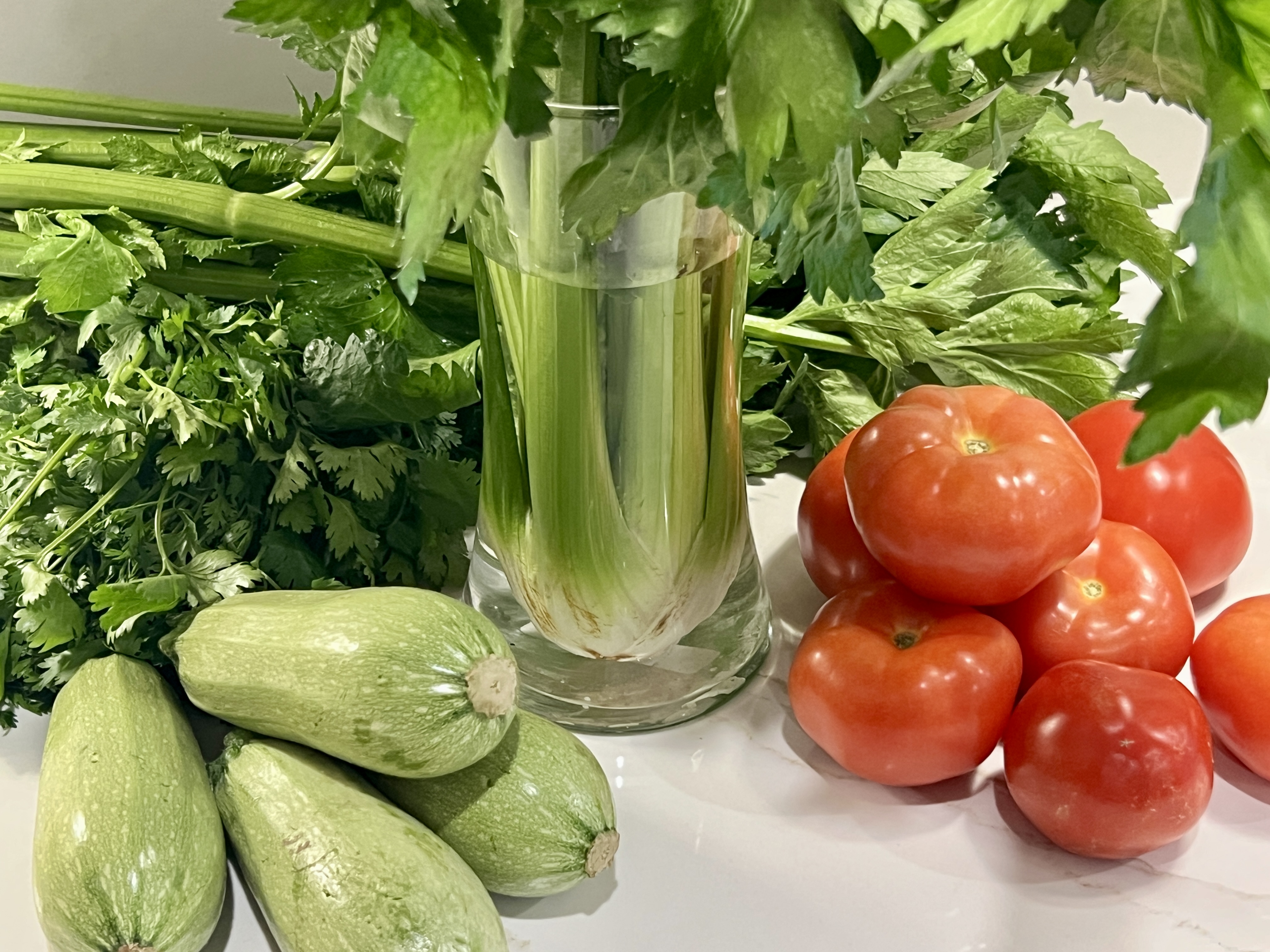
Foods That Help Boost Collagen
The Main Types of Collagen
There are 28 known types of collagen in the human body, but Types I, II, and III are the most common and important when it comes to supplements, skin health, and joint support. Understanding the difference between these types can help you choose the right collagen for your needs.
Type I Collagen
Type I collagen is the most abundant type in the body. It makes up about 90% of all collagen and is especially important for the skin, bones, tendons, ligaments, cornea, and blood vessel walls.In the skin, Type I collagen forms dense, strong fibers that provide firmness, strength, and structure. When Type I collagen decreases, the skin becomes thinner, drier, and more prone to wrinkles.
Type I collagen is especially useful for:
- Skin firmness;
- Wrinkle prevention;
- Bone strength;
- Tendon and ligament support;
- Healthy hair and nails.
Type III Collagen
Type III collagen is often called “young collagen” because it is more common in children and younger people. It forms thinner and more elastic fibers than Type I collagen. This type is found in the skin, blood vessels, intestines, uterus, and internal organs. It often works together with Type I collagen to support tissue structure and elasticity.
Type III collagen is especially useful for:
- Skin elasticity;
- Tissue flexibility;
- Blood vessel support;
- Internal organ structure;
- Younger-looking skin.
When Type III collagen is low, the skin may lose elasticity and blood vessels may become more fragile.
Type II Collagen
Type II collagen is mainly found in cartilage, intervertebral discs, and the vitreous body of the eye. It is very important for joint health because it helps create a strong yet flexible cartilage structure.
Unlike Types I and III, Type II collagen forms a network with proteoglycans, creating a gel-like structure that can absorb pressure and shock. This allows joints to move more comfortably during walking, running, exercise, and everyday activities.
Type II collagen is especially useful for:
- Joint health;
- Cartilage support;
- Osteoarthritis support;
- Mobility;
- Shock absorption;
- Sports recovery.
Which Collagen Is Best for Skin?
For skin health, hydrolyzed collagen peptides of Types I and III are usually considered the most suitable. These two types work together: Type I supports density and firmness, while Type III supports elasticity and flexibility.
Regular use of hydrolyzed collagen may help improve skin hydration, firmness, elasticity, and overall appearance. It may also help reduce the appearance of fine lines over time.
For best results, collagen for skin is often combined with:
- Vitamin C;
- Hyaluronic acid;
- Zinc;
- Copper;
- Coenzyme Q10;
- Antioxidants.
Vitamin C is especially important because the body needs it to properly synthesize collagen. Without enough vitamin C, collagen production becomes less efficient.
Which Collagen Is Best for Joints?
For joint and cartilage health, Type II collagen is the most important. This type forms the foundation of cartilage and helps protect joints from pressure and friction.
Undenatured Type II collagen is often used for joint support because it works differently from hydrolyzed collagen. Instead of acting only as a building material, it may help regulate the immune response and teach the body not to attack its own joint collagen. Hydrolyzed collagen Types I and II may also support joints by providing amino acids that help repair cartilage and connective tissue.
For joints, collagen may help with:
- Joint stiffness;
- Reduced mobility;
- Cartilage support;
- Sports recovery;
- Age-related joint changes;
- Osteoarthritis support.
Recommended Collagen Forms and Dosages
Different goals require different collagen forms and dosages.
For skin, hair, and nails, hydrolyzed collagen peptides of Types I and III are commonly used. A typical dosage is 2.5 to 10 grams per day.
For joints, undenatured Type II collagen is often taken in smaller amounts, usually 10 to 40 milligrams per day. Hydrolyzed collagen for joint support is often taken at around 10 grams per day.
Consistency is important. Collagen works gradually, and results usually take time. Many people begin noticing changes after 4 to 8 weeks, while more stable results often appear after about 12 weeks of regular use.
Marine vs Bovine Collagen: Which One Is Better?
How to Take Collagen for Better Results
To get the most benefit from collagen supplements, it is important to take them correctly.
Hydrolyzed collagen can usually be taken with water, smoothies, coffee, tea, or food. Many people take it in the morning or before bed. Undenatured Type II collagen is usually best taken on an empty stomach, about 30 to 60 minutes before meals. This helps avoid interaction with digestive enzymes. For better results, collagen should be taken with nutrients that support collagen synthesis, especially vitamin C. Other useful cofactors include zinc, copper, silicon, and hyaluronic acid.
Factors That Support Natural Collagen Production
Collagen supplements can be helpful, but they work best when combined with healthy habits. The body still needs the right conditions to produce its own collagen. To support natural collagen production:
- Eat enough protein;
- Include vitamin C-rich foods;
- Protect your skin from the sun;
- Avoid smoking;
- Limit alcohol;
- Reduce excessive sugar intake;
- Sleep well;
- Stay physically active;
- Manage stress;
- Drink enough water.
A balanced diet is especially important. The body needs amino acids such as glycine, proline, and lysine to build collagen. Good protein sources include meat, fish, eggs, dairy products, beans, lentils, and other legumes.
Collagen in Cosmetology and Skin Treatments
Modern cosmetology offers several ways to stimulate collagen production in the skin. These methods can be used alongside good nutrition and supplements for a more complete approach. Common collagen-stimulating cosmetic treatments include:
- Laser treatments;
- Radiofrequency lifting;
- Microneedling;
- Mesotherapy;
- Peptide-based treatments;
- Retinol skincare;
- Vitamin C serums;
- Growth factor products.
Laser and radiofrequency procedures work by creating controlled stimulation in the deeper layers of the skin. This encourages the body to produce new collagen. Retinol, peptides, and vitamin C can also support collagen synthesis when used consistently in skincare. However, professional treatments should be chosen carefully and performed by qualified specialists.
When to See a Doctor
Collagen loss is a natural part of aging, but some symptoms may require professional attention.
You may want to see a dermatologist if you notice severe skin thinning, poor wound healing, sudden sagging, or significant dryness. For joint pain, stiffness, swelling, cracking, or reduced mobility, it may be best to consult an orthopedist or rheumatologist. In some cases, collagen-related problems may be connected to hormonal imbalances, nutrient deficiencies, digestive issues, or connective tissue disorders. A doctor may recommend blood tests, joint imaging, bone density testing, or other evaluations.
It is important to remember that collagen supplements are not medicine. They may support skin and joint health, but serious conditions require proper diagnosis and treatment.
Final Thoughts
Collagen is essential for healthy skin, joints, bones, cartilage, blood vessels, and connective tissue. It gives the skin firmness and elasticity, helps joints absorb pressure, supports tissue repair, and plays an important role in overall body structure.
As we age, collagen production naturally slows down. This can lead to wrinkles, sagging skin, joint discomfort, reduced mobility, and weaker tissues. However, the right combination of nutrition, supplements, skincare, sun protection, physical activity, and healthy lifestyle habits can help support collagen levels.
For skin, hydrolyzed collagen Types I and III are usually the best choice. For joints, Type II collagen is the most important. Still, the best approach is always personal and depends on your goals, health condition, and lifestyle.
Collagen can be a helpful part of a wellness routine, but it should not replace balanced nutrition, medical care, or healthy daily habits. If you have serious skin or joint concerns, consult a qualified healthcare professional for proper guidance.
What type of collagen have you tried before, and did you notice any difference in your skin, hair, nails, or joints?



Lia
Founder & Editor Lia is a biologist with many years of research experience and a deep love for natural medicine. She is passionate about natural remedies, healthy living, and simple ways to support the body through nature. Eager to share her knowledge, Lia enjoys offering helpful lifestyle tips, wellness tricks, natural recipes passed down through generations, and inspiring ideas for living a healthier and more balanced life.Related Posts

Castor Oil for Skin and Hair: Benefits, Uses, and Safety Tips
July 13, 2026
Discover the benefits of castor oil for skin and hair, including how it may moisturize dry skin, soften hair, reduce scalp dryness, and improve shine. Learn how to use it...

Natural Facial Skincare Routine for Every Age
July 10, 2026
Learn how to create a natural facial skincare routine with daily cleansing, moisturizing, sun protection, homemade masks, botanical oils, and age-appropriate skincare tips....
Peptides for Skin and Health: Benefits, Foods, and Uses
July 9, 2026
Peptides support skin repair, collagen production, hormone balance, and cell renewal. Learn how peptide skincare works and which foods help your body produce peptides naturally....
Leave a Comment