
No products in cart
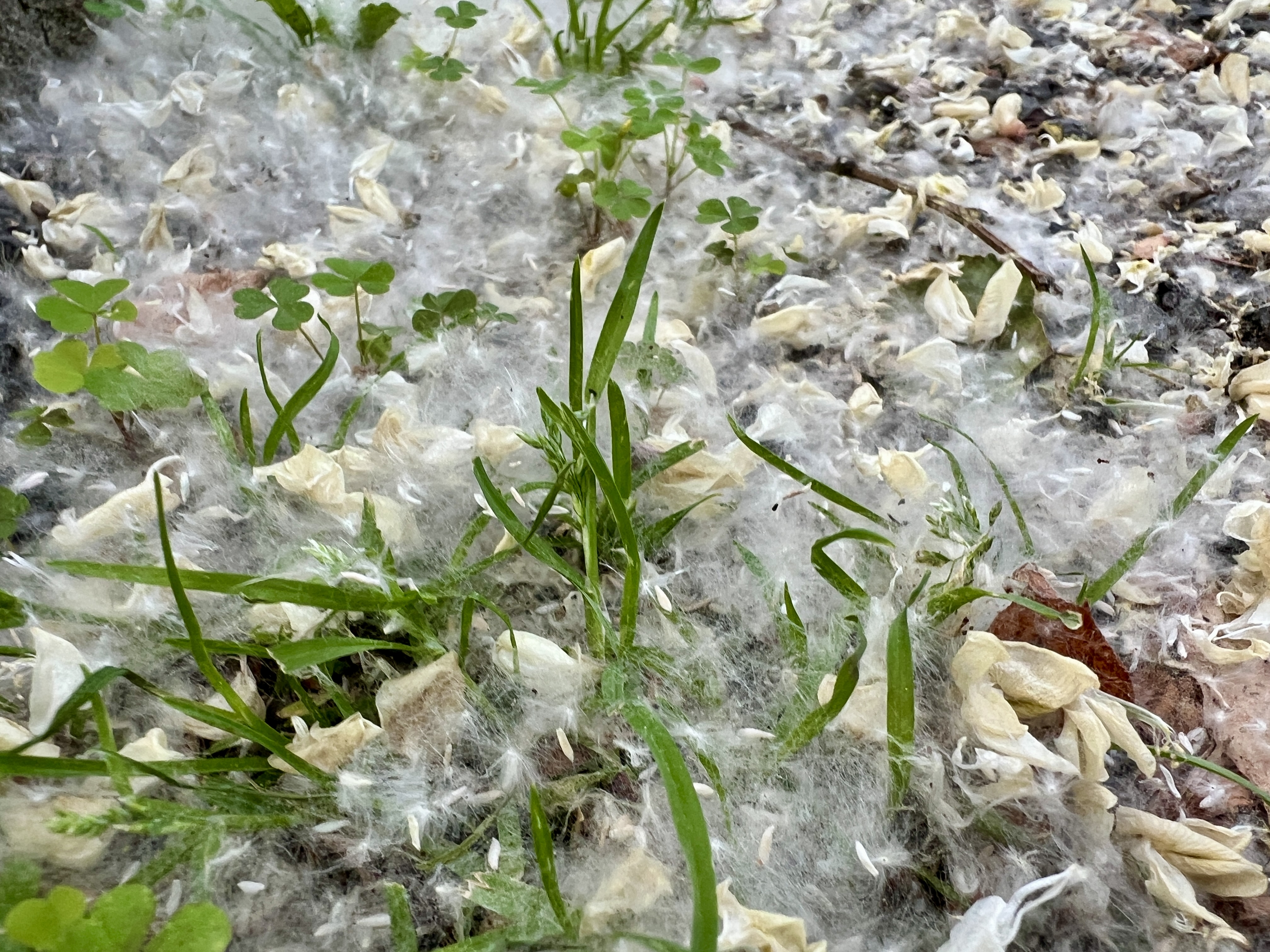
Cat allergies can mean two different things. Sometimes, a cat is the one suffering from an allergic reaction. Other times, people develop allergies because of proteins produced by cats. Both situations can be uncomfortable, confusing, and stressful, especially when the symptoms appear suddenly.
Understanding the difference is important. Allergies in cats affect the pet’s skin, digestion, breathing, and overall well-being. Allergies to cats affect people and may cause sneezing, itchy eyes, coughing, skin irritation, and breathing problems. In both cases, early recognition and proper care can make life much easier.
What Is an Allergy?
An allergy is an unusual reaction of the immune system to a substance that the body sees as harmful. This substance is called an allergen. Allergens may come from food, dust, pollen, mold, household chemicals, parasites, cosmetics, or animal proteins.
When the immune system reacts to an allergen, it releases substances such as histamine. Histamine is responsible for many common allergy symptoms, including itching, swelling, redness, sneezing, watery eyes, and inflammation.
Allergies in Cats
Allergies can affect any cat, regardless of age or breed. They are often chronic, meaning they may return again and again. While allergies in cats usually cannot be completely cured, they can often be managed with veterinary care, prevention, and lifestyle changes.
The owner’s role is to notice symptoms early, help identify the allergen, ease the cat’s discomfort, and reduce the risk of future flare-ups.
Common Causes of Allergies in Cats
Many different substances can trigger allergies in cats. Common allergens include:
- food ingredients;
- household chemicals;
- dust;
- mold;
- plant pollen;
- flea bites;
- parasites such as worms;
- litter box fillers;
- perfumes and cosmetics;
- fur or dander from other animals.
Some cats may be more sensitive because of a weakened immune system, stress, poor nutrition, infections, intestinal problems, parasite infestation, poor environmental conditions, or hereditary predisposition.
Symptoms of Allergies in Cats
Allergies in cats can appear in different ways. Some cats show skin problems, while others may have digestive, respiratory, or eye symptoms.
Common symptoms include:
- severe itching;
- flaking skin;
- eczema;
- rashes;
- hair loss;
- bald patches;
- discharge from the eyes or nose;
- swollen eyelids;
- crusts in the corners of the eyes;
- sneezing;
- coughing;
- rapid breathing;
- swelling;
- vomiting or diarrhea;
- problems with urination or bowel movements.
In severe cases, a cat may experience anaphylactic shock or severe swelling. Warning signs include difficulty breathing, pale or bluish gums, low blood pressure, swelling of the skin or face, weakness, or loss of consciousness. This is an emergency and requires immediate veterinary care.
Types of Allergies in Cats
Food Allergies
Food allergies happen when a cat reacts to a certain ingredient in its diet. Symptoms may include itching, skin rash, vomiting, diarrhea, hair loss, nasal congestion, and discharge from the eyes or nose.
Common food allergens in cats may include beef, dairy products, grains, and plant proteins. If a cat reacts to one type of meat, the veterinarian may recommend switching to a different protein source. Grain-free or low-grain diets may also be suggested in some cases, especially if grains are suspected to be a trigger.
Flea Allergy
Flea allergy is one of the most common allergic problems in cats. It occurs when a cat reacts to substances in flea saliva. Even a small number of flea bites can cause intense itching.
Scratching may lead to small wounds, sores, and scabs. These wounds can become infected if they are not treated properly. Regular flea prevention is one of the most important steps in protecting sensitive cats.
Contact and Environmental Allergies
Cats can also react to substances that touch their skin or exist in their environment. These may include perfumes, cleaning products, shampoos, pollen, dust, mold, or certain types of litter.
In some cases, cats may develop seasonal allergies, especially during spring when pollen levels are high. Symptoms may improve once the season ends, but cats with strong reactions may need veterinary support.
Allergies in Dogs: Signs, Causes, Treatment, and Care
Diagnosis of Allergies in Cats
Symptoms of allergies in cats can look similar to infections, parasite problems, or diseases of internal organs. Because of this, only a veterinarian can make an accurate diagnosis.
The veterinarian may ask about the cat’s diet, living conditions, litter, grooming products, parasite prevention, and medical history. Blood tests may also be recommended. In some cases, the veterinarian may use an elimination method to identify the allergen.
This may include removing certain foods, changing litter, stopping exposure to household chemicals, treating parasites, or switching to a special diet.
Treatment and Care for Cats With Allergies
Treatment depends on the cause of the allergy. If fleas are found, the first step is flea treatment and prevention. If worms are suspected, the cat may need deworming medication. If food is the likely cause, the veterinarian may recommend an elimination diet or a therapeutic food for allergic cats.
In some cases, treatment may include:
- flea and tick prevention;
- deworming medication;
- special shampoos;
- ointments for itching;
- antihistamines;
- corticosteroids in more serious cases;
- biotin or skin-support supplements;
- antiseptic care for scratched areas;
- special food for sensitive cats.
It is very important not to self-medicate. Human medications, random parasite products, or incorrect dosages can be dangerous for cats. Any treatment should be chosen with the help of a veterinarian.
How to Prevent Allergy Flare-Ups in Cats
Not every allergy can be prevented, but good care can reduce the risk of flare-ups.
Helpful prevention tips include:
- feed a balanced, high-quality diet;
- keep household chemicals away from your cat;
- choose gentle, pet-safe cleaning products;
- clean and ventilate your home regularly;
- avoid smoking around your cat;
- keep up with flea, tick, and worm prevention;
- visit the veterinarian for regular checkups;
- follow the vaccination schedule;
- choose safe, high-quality litter;
- watch for early signs of itching, swelling, hair loss, or digestive upset.
For senior cats, regular veterinary visits are especially important because older pets are more vulnerable to chronic health problems.
Allergies to Cats in People
While cats can suffer from allergies, people can also be allergic to cats. In fact, cat allergies are among the most common pet allergies. Some people cannot visit a home with a cat because even a short exposure may trigger sneezing, watery eyes, coughing, or skin irritation.
A cat allergy may also develop over time. This means someone who once lived comfortably with a cat may later begin reacting to the pet.
What Causes Cat Allergies in Humans?
Many people believe cat allergies are caused by fur, but this is not completely accurate. The main cause is a protein called Fel d 1. This protein is found in a cat’s saliva, sebaceous glands, and other body secretions.
Because cats groom themselves often, this protein spreads onto their fur. From there, it can settle on furniture, clothing, carpets, bedding, and other surfaces. Even tiny particles of dander or hair can carry enough allergen to cause symptoms in a sensitive person.
This is why some people react even when they are not touching the cat directly.
Symptoms of Cat Allergies in People
Cat allergy symptoms may appear right away or after some time. They can be mild or severe, depending on the person’s sensitivity.
Common symptoms include:
- stuffy nose;
- runny nose;
- sneezing;
- itchy nose or throat;
- coughing;
- difficulty breathing;
- watery eyes;
- red or inflamed eyes;
- skin redness or rash;
- dry or irritated skin;
- headache.
These symptoms may appear alone or together. However, it is important not to blame the cat too quickly. Similar symptoms can also be caused by dust mites, mold, laundry detergent, cosmetics, feathers, or household chemicals.
Diagnosis of Cat Allergies in People
To confirm a cat allergy, a doctor or allergist may recommend testing. The most common methods include skin allergy tests and blood tests.
During a skin test, a small amount of allergen is placed on or under the skin, and the doctor watches for a reaction. Results may appear within about 25 to 30 minutes. If skin testing is not possible, a blood test may be used instead, though results may take several days.
Proper testing helps identify whether the reaction is truly caused by cats or by another allergen in the home.
Living With Cat Allergies
Living with cat allergies can be difficult, but it is not always impossible. Many people manage symptoms by reducing allergen exposure and keeping the home cleaner.
Helpful steps may include:
- vacuuming often;
- washing bedding regularly;
- keeping the cat out of the bedroom;
- using air purifiers;
- cleaning furniture and carpets;
- washing hands after touching the cat;
- brushing the cat regularly;
- reducing dust and mold in the home;
- speaking with a doctor about allergy treatment options.
If symptoms are severe, medical advice is especially important. People with asthma or breathing problems should be extra careful around cat allergens.
Are You Allergic to the Cold? Signs, Symptoms, and Treatment
Final Thoughts
Cat allergies can affect both cats and humans. A cat may suffer from itching, skin irritation, hair loss, digestive problems, flea reactions, food sensitivities, or environmental allergies. At the same time, people may react to proteins produced by cats, especially the Fel d 1 protein found in saliva and skin secretions.
The most important step is not to guess. If your cat is showing symptoms, visit a veterinarian. If a person in your home is reacting around cats, consult a doctor or allergist. With the right diagnosis, gentle care, prevention, and treatment, both cats and their owners can live more comfortably.
Have you or your cat ever struggled with allergies? What symptoms did you notice first, and what helped the most?






Leave a Comment