
No products in cart
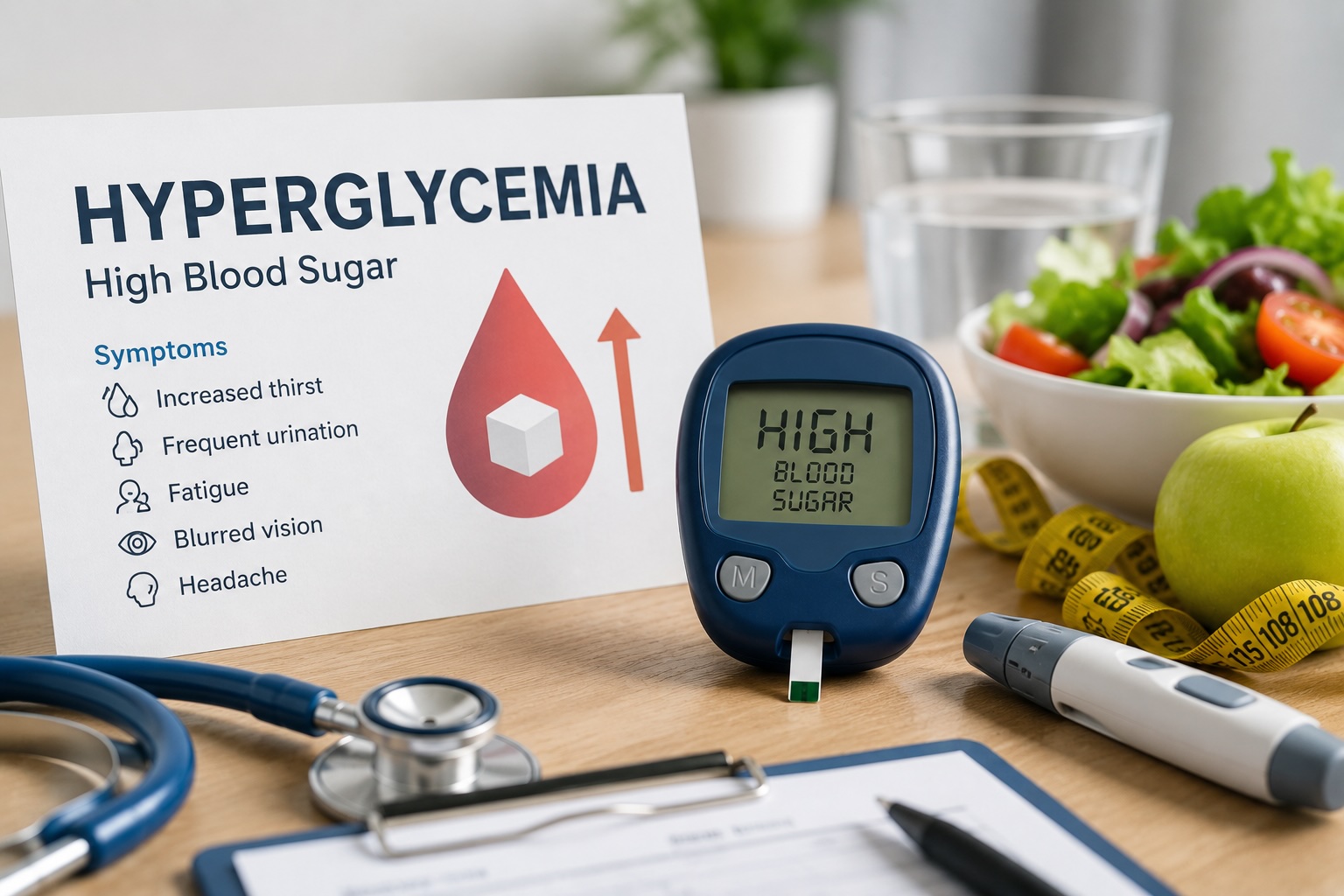
Type 2 Diabetes: Understanding the Risks, Symptoms, and Prevention Strategies
Type 2 diabetes is the most common form of diabetes, particularly among adults. Unlike type 1 diabetes, it develops gradually and is characterized by a combination of impaired insulin secretion, abnormal glucagon regulation, insulin resistance (reduced sensitivity of cells to insulin), and increased glucose reabsorption by the kidneys. As a result, blood sugar levels rise over time, potentially leading to serious health complications if left untreated.
Causes and Risk Factors
Several factors increase the likelihood of developing type 2 diabetes. Genetics plays a significant role: if one parent has the disease, the risk for their children is approximately 40%, rising to about 70% if both parents are affected.
Obesity, particularly excess fat accumulation around internal organs, is one of the strongest risk factors because it reduces the body’s sensitivity to insulin. Other contributing factors include a sedentary lifestyle, excessive consumption of refined carbohydrates and saturated fats, inadequate fiber intake, aging (especially after age 45), hormonal disorders such as polycystic ovary syndrome (PCOS), hypothyroidism, or Cushing’s disease, chronic stress, smoking, chronic pancreatitis, and certain inherited syndromes such as Wolfram syndrome and Prader-Willi syndrome.
Stages of Type 2 Diabetes Development
The disease typically progresses slowly through several stages. It often begins with insulin resistance, where body cells become less responsive to insulin. To compensate, the pancreas produces more insulin, keeping blood sugar levels within the normal range.
As insulin resistance worsens, prediabetes develops. Fasting blood glucose rises to between 6.1 and 7.0 mmol/L, while post-meal levels range from 7.8 to 11.1 mmol/L. At this stage, mild symptoms such as increased appetite, fatigue, and weight gain may appear.
If left unmanaged, the condition progresses to diagnosed (manifest) diabetes, with fasting glucose levels exceeding 7.0 mmol/L. Over time, persistent high blood sugar can lead to subcompensation and eventually decompensation, where serious complications such as diabetic foot ulcers, heart attack, stroke, kidney failure, and diabetic coma may occur despite intensive treatment.
Symptoms and Signs
Type 2 diabetes often develops silently and may go unnoticed for years because early symptoms are nonspecific. Common signs include excessive thirst (polydipsia), frequent urination (polyuria), increased hunger (polyphagia), unexplained weight gain, fatigue, weakness, and drowsiness.
Many people also experience slow wound healing, dry or itchy skin, recurrent urinary or genital infections, and general feelings of low energy. These symptoms occur because glucose remains in the bloodstream rather than entering cells where it is needed for energy production.
In children, type 2 diabetes is uncommon but may present with frequent urination, sudden weight loss, excessive sleepiness, mood changes, bedwetting, or delayed growth and development. In older adults, symptoms can be subtle and may appear as fatigue, vision changes, leg weakness, frequent infections, or memory and cognitive difficulties.
Complications
Poorly controlled diabetes can affect nearly every organ system. Acute complications include hyperglycemic emergencies such as diabetic ketoacidosis, hyperosmolar syndrome, lactic acidosis, and hypoglycemic coma.
Long-term complications include damage to small blood vessels (microangiopathy), resulting in diabetic retinopathy and kidney disease, as well as damage to larger blood vessels (macroangiopathy), increasing the risk of atherosclerosis, heart attack, and stroke. Nerve damage (neuropathy) and diabetic foot syndrome are also common and may lead to ulcers, infections, and tissue loss.
Diagnosis
The primary diagnostic criterion for type 2 diabetes is fasting plasma glucose. According to clinical guidelines, diabetes is diagnosed when fasting blood glucose exceeds 7.0 mmol/L.
To evaluate blood sugar control and overall health, healthcare providers may also order additional tests, including:
- Oral glucose tolerance test (OGTT) to detect prediabetes.
- Glycated hemoglobin (HbA1c), which reflects average blood sugar levels over the previous three months.
- Blood insulin and C-peptide measurements to distinguish between type 1 and type 2 diabetes.
- Autoantibody testing against pancreatic beta cells.
- Urinalysis to detect glucose and ketones.
- Lipid profile to assess cardiovascular risk.
- Kidney function tests, including creatinine and microalbuminuria.
- Ultrasound of the kidneys and abdominal organs.
- Electrocardiogram (ECG).
- Eye examination (ophthalmoscopy).
Treatment
Treatment for type 2 diabetes focuses on controlling blood sugar levels, preventing complications, and improving overall metabolic health. Lifestyle modification remains the foundation of therapy.
A diabetes-friendly diet should limit sweets, pastries, sugary beverages, saturated fats, and trans fats. Foods with a low glycemic index—such as oats, buckwheat, broccoli, cauliflower, zucchini, beans, and lentils—are encouraged. Protein should account for approximately 15–20% of total calorie intake and can be obtained from lean meat, fish, eggs, dairy products, and legumes. Eating smaller, more frequent meals may help prevent significant fluctuations in blood sugar.
Regular physical activity is equally important. At least 150 minutes of moderate-intensity exercise per week, such as brisk walking or swimming, is recommended. Weight loss of just 5–10% of body weight can significantly improve insulin sensitivity.
When lifestyle measures alone are insufficient, medications may be prescribed. Common options include metformin (a biguanide), sulfonylureas, DPP-4 inhibitors, SGLT-2 inhibitors, and thiazolidinediones. Insulin therapy may be necessary when oral medications are ineffective, during pregnancy, before surgery, or in cases of kidney or liver failure.
Prevention
Many cases of type 2 diabetes can be prevented through healthy lifestyle choices. Maintaining a healthy weight, following a balanced diet low in refined carbohydrates and unhealthy fats, staying physically active, managing stress, controlling blood pressure and cholesterol, and avoiding smoking and excessive alcohol consumption are all important preventive measures.
For individuals already living with diabetes, regular blood glucose monitoring, blood pressure control, annual eye examinations, kidney screening, and proper foot care are essential for reducing the risk of complications and maintaining long-term health.
Type 2 diabetes often develops gradually and may remain undetected for years. What do you think are the biggest challenges people face in recognizing early warning signs and making lifestyle changes before the disease progresses?


Lia
Founder & Editor Lia is a biologist with many years of research experience and a deep love for natural medicine. She is passionate about natural remedies, healthy living, and simple ways to support the body through nature. Eager to share her knowledge, Lia enjoys offering helpful lifestyle tips, wellness tricks, natural recipes passed down through generations, and inspiring ideas for living a healthier and more balanced life.Related Posts

Excess Weight and High Blood Pressure: A Dangerous Connection You Shouldn’t Ignore
June 24, 2026
Excess weight is more than just an aesthetic concern—it has a direct impact on the health of the heart and blood vessels. Cardiologists have long recognized that the higher a...
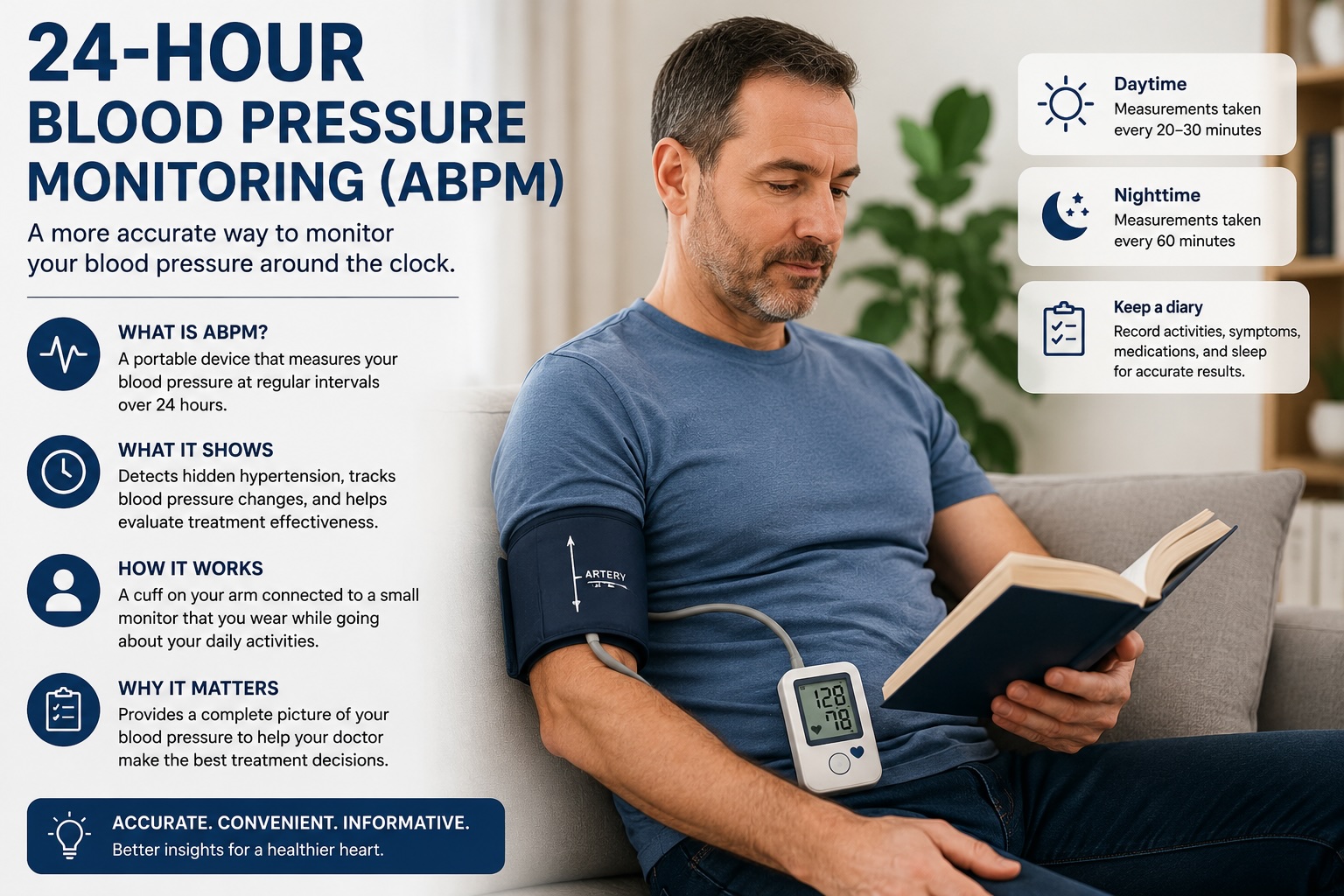
Hidden High Blood Pressure? How 24-Hour Monitoring Can Detect It
June 24, 2026
Track blood pressure around the clock to detect hypertension early and optimize treatment decisions....

Heart Ultrasound (Echocardiogram): What It Shows, How to Prepare, and What the Results Mean
June 24, 2026
An echocardiogram, or heart ultrasound, is a safe, noninvasive imaging test that allows doctors to evaluate the structure and function of the heart and major blood vessels. The procedure uses sound...
Leave a Comment