
No products in cart
What Is Homeopathy?
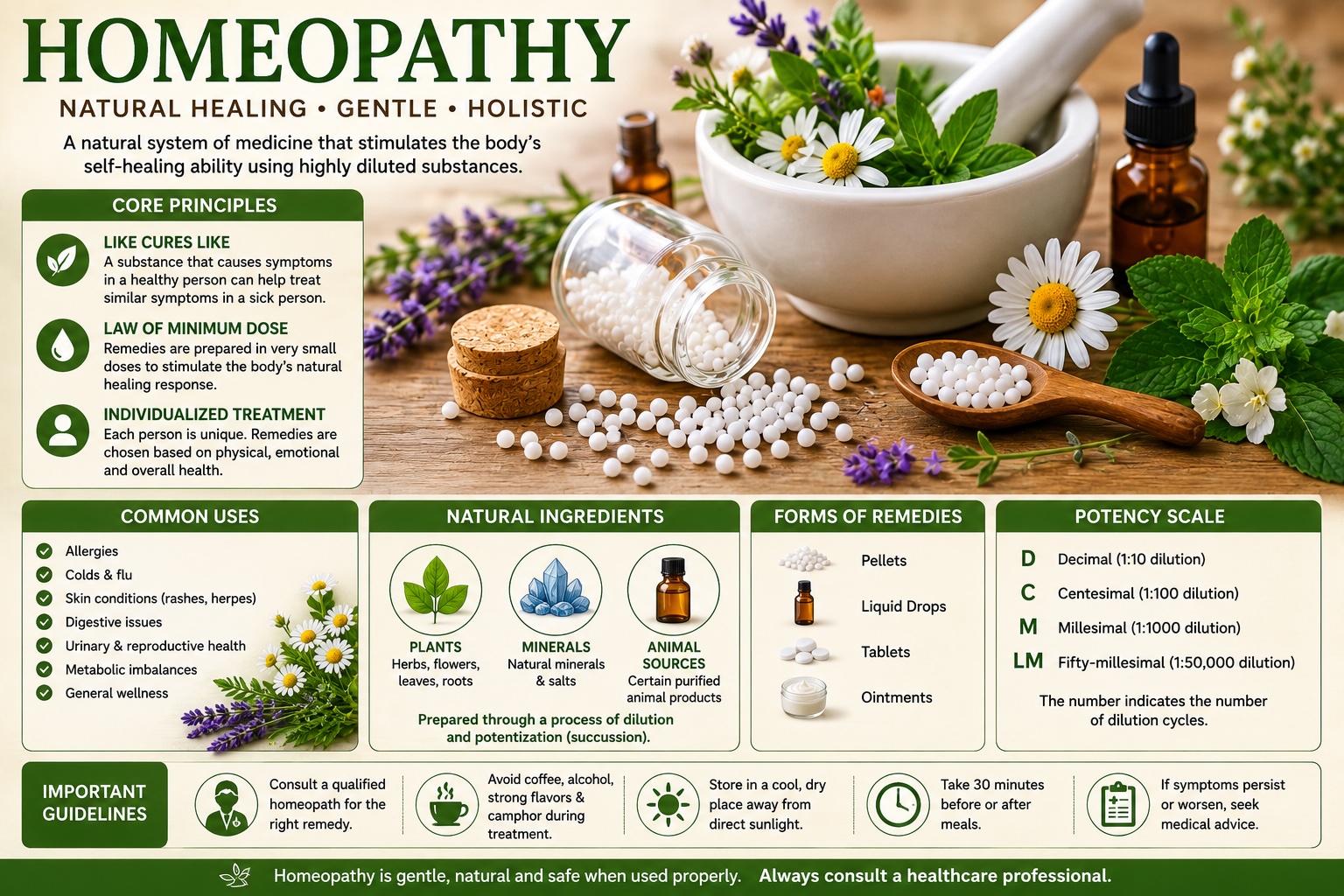
Homeopathy is a form of alternative medicine that has gained significant attention in recent years. While some people use it as a complementary approach to wellness, it remains a subject of debate within the medical community. To better understand homeopathy, it is important to explore its core principles, how homeopathic remedies are prepared, and the conditions for which they are commonly used.
Homeopathy is based on the idea that a substance capable of causing symptoms in a healthy person may, when used in highly diluted amounts, help stimulate the body’s natural healing response in someone experiencing similar symptoms. This approach is founded on two primary principles:
- Like cures like – substances that produce symptoms in healthy individuals may be used to address similar symptoms in those who are unwell.
- The law of minimum dose – remedies are prepared using extremely small amounts of active ingredients.
Homeopathy was developed in the late 18th century and continues to be practiced in many countries around the world.
Conditions Commonly Addressed with Homeopathy
Homeopathy is often used as a complementary approach for various acute and chronic conditions that do not require emergency medical or surgical treatment. Common areas where homeopathic remedies may be used include:
- Allergies
- Common colds and seasonal illnesses
- Skin conditions such as rashes and herpes
- Digestive complaints
- Urinary and reproductive system concerns
- Metabolic imbalances
- General wellness support
The decision to use homeopathy should always be made in consultation with a qualified healthcare professional.
Core Principles of Homeopathy
1. Like Cures Like
Homeopaths believe that substances capable of producing symptoms in healthy individuals may help relieve similar symptoms when administered in highly diluted forms. For example, a substance that causes watery eyes or a runny nose in a healthy person may be selected to address similar symptoms during illness.
2. Minimal Doses
Homeopathic remedies are prepared through repeated dilution processes. Practitioners believe these highly diluted preparations help stimulate the body’s self-healing mechanisms.
3. Individualized Treatment
A key aspect of homeopathy is treating each patient as a unique individual. Homeopaths consider:
- Physical symptoms
- Emotional well-being
- Medical history
- Lifestyle factors
- Overall constitution
The goal is to select a remedy that best matches the person’s specific symptom profile.
What Are Homeopathic Remedies Made From?
Homeopathic preparations are typically derived from natural sources, including:
- Plants and herbs
- Minerals
- Animal-derived substances
These ingredients undergo a process of repeated dilution and agitation known as “potentization.”
To create usable formulations, manufacturers may combine the active ingredient with:
- Purified water
- Sugar-based pellets
- Ethyl alcohol
Some remedies contain a single active ingredient, while others include multiple components.
Understanding Homeopathic Potencies
Homeopathic remedies use a specific labeling system to indicate their dilution levels:
- D – Decimal dilution
- C – Centesimal dilution
- M – Thousand-fold dilution
- LM – Fifty-thousand-fold dilution
The number following the letter indicates how many dilution cycles have been performed.
How Homeopathic Dosages Are Determined
Unlike conventional medications, homeopathic dosing is based on the specific remedy, the individual’s symptoms, and their overall health profile. Practitioners carefully evaluate:
- Symptom intensity
- Duration of illness
- Medical history
- Individual sensitivity
For this reason, self-prescribing or adjusting dosages without professional guidance is generally discouraged.
Recommendations for Using Homeopathic Remedies
Individuals who choose homeopathy are often advised to follow certain guidelines:
- Consult a qualified homeopath or healthcare professional before beginning treatment.
- Follow dosage instructions carefully.
- Store remedies in a cool, dry place away from direct sunlight.
- Avoid changing treatment plans without professional guidance.
- Seek medical advice if symptoms worsen or persist.
Some practitioners also recommend avoiding strong flavors or stimulants, such as coffee and alcohol, during treatment, although recommendations may vary.
Are There Side Effects?
Homeopathic remedies are generally considered low-risk due to their highly diluted nature. However, allergic reactions to inactive ingredients or components of a remedy may occasionally occur. Individuals with serious medical conditions should always seek advice from qualified healthcare providers before relying on alternative treatments.
Summary
Homeopathy remains one of the most widely recognized forms of complementary medicine. Its individualized approach and long history of use continue to attract people seeking alternative wellness options. However, it is important to make informed decisions, consult qualified healthcare professionals, and view homeopathy as part of a broader health strategy rather than a replacement for necessary medical care.
Understanding how homeopathy works, how remedies are prepared, and when they may be appropriate can help individuals make more informed choices about their health and well-being.
Have you ever tried homeopathy, and what was your experience with this alternative approach to health and wellness?


Nikole
Senior Editor Nikole has worked as an editor for a newspaper company and brings a strong eye for detail, storytelling, and clear communication. She is passionate about a natural, healthy lifestyle and enjoys learning about plants, wellness, and simple ways to live in harmony with nature. Through her interests and experience, she hopes to share helpful, inspiring, and easy-to-understand content with readers.Related Posts

Folk Medicine: Why Research Matters Before Using Natural Remedies
July 1, 2026
Folk medicine can be comforting, familiar, and deeply connected to family traditions. However, to achieve the desired effect, it is important to research each plant, fruit, herb, or natural remedy...

Linen Clothing vs. Cotton: What to Know
June 29, 2026
Linen clothing is loved for its natural beauty, breathability, comfort, and timeless style. Discover the main benefits, possible disadvantages, care tips, and styling ideas for adding linen pieces to your...
B-Complex Vitamins for Productivity and Focus: How They Help You Stay Energized and Mentally Sharp
June 24, 2026
B-complex vitamins play an important role in energy production, brain function, and nervous system support, making them helpful for staying focused and mentally sharp. From supporting metabolism to helping the...
Leave a Comment