
No products in cart
Why Millions Choose Homeopathy: Benefits, Uses, and What You Need to Know
Homeopathy is one of the most widely discussed forms of complementary medicine. While some people view it as a gentle, natural approach to health, others remain skeptical about its effectiveness. Despite the debate, millions of people worldwide continue to use homeopathic remedies as part of their wellness routine.
Many misconceptions surround homeopathy. Some believe it is simply herbal medicine, while others think it relies entirely on placebo effects. In reality, homeopathy follows its own unique philosophy and treatment principles that differ from both conventional medicine and herbal therapy.
What Makes Homeopathy Different?
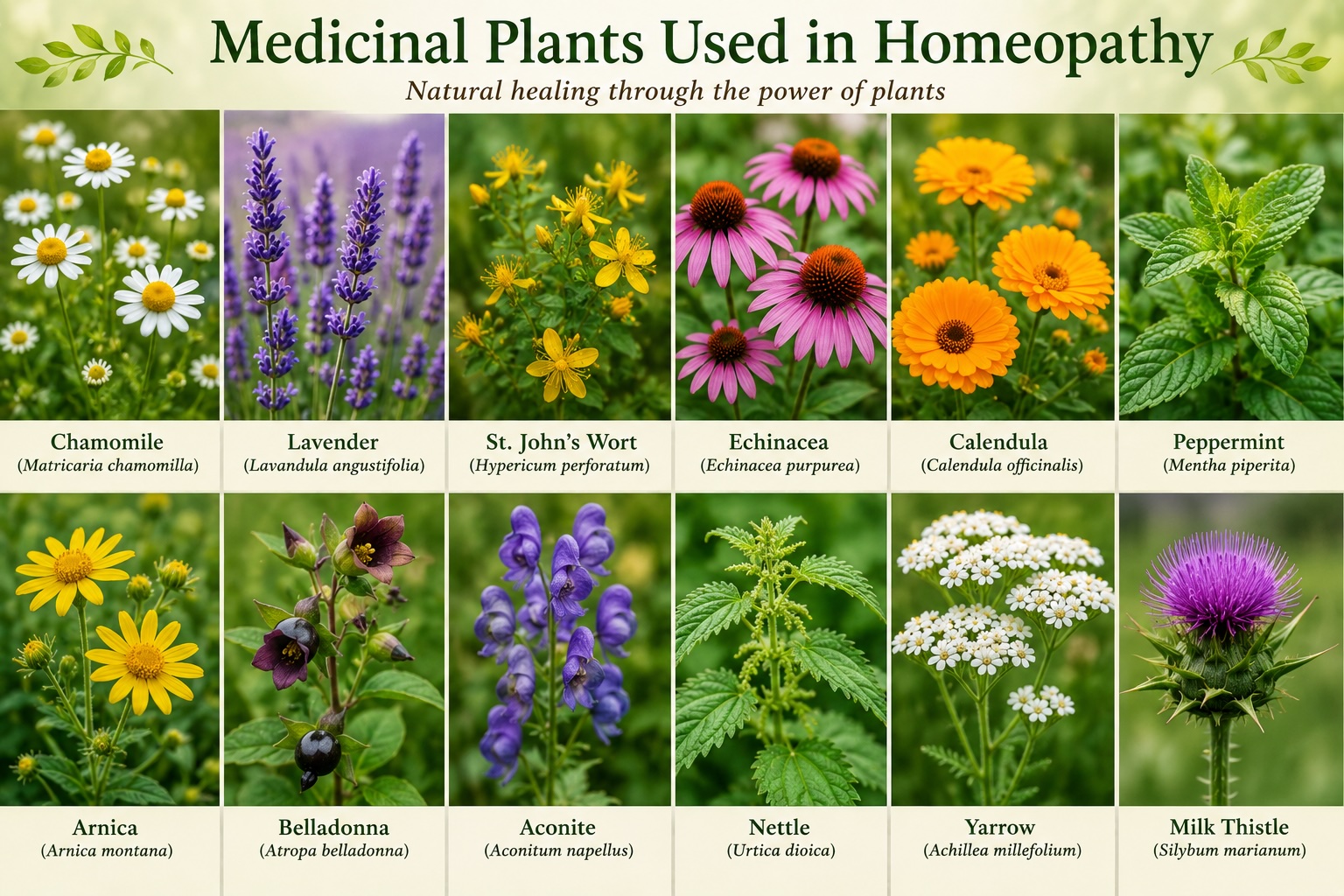
Homeopathy is not the same as herbal medicine. Although many homeopathic remedies are derived from plants, they can also be made from minerals and animal-derived substances. According to homeopathic philosophy, remedies do not work by suppressing symptoms or introducing large quantities of active chemicals into the body. Instead, practitioners believe these highly diluted preparations help stimulate the body’s natural ability to restore balance.
A common analogy used in homeopathy compares the body to a musical instrument. When an instrument is out of tune, it does not need new strings or keys—it needs proper tuning. Likewise, homeopathy aims to support the body’s natural balance rather than simply treating individual symptoms.
A Holistic Approach to Health
One of the defining characteristics of homeopathy is its focus on the individual rather than the disease itself. Homeopathic practitioners evaluate:
- Physical symptoms
- Emotional well-being
- Stress responses
- Lifestyle habits
- Personal preferences
- Environmental influences
Two people with the same diagnosis may receive completely different homeopathic remedies based on their unique symptom patterns and overall health profile. This individualized approach is considered one of the foundations of homeopathic practice.
Homeopathy and the Concept of Balance
Homeopathy views health as a state of balance within the body. A popular comparison is that of a garden filled with weeds. Simply removing the weeds repeatedly does not solve the underlying issue. Instead, improving the condition of the soil can create an environment where unwanted growth becomes less likely. Similarly, homeopathic practitioners aim to support the body’s internal environment, encouraging better overall function and resilience.
Homeopathy and Children
Many homeopaths emphasize the importance of considering a child’s emotional and environmental circumstances when addressing health concerns. Factors that may be considered include:
- Family relationships
- Stressful life events
- Changes at home or school
- Emotional reactions to major life transitions
Practitioners often believe that understanding these influences is important when evaluating chronic health conditions in children.
Understanding Homeopathic Doses
Homeopathic remedies are produced through a process of repeated dilution and vigorous shaking known as potentization. Some theories proposed by homeopathic practitioners suggest that the preparation process allows information from the original substance to be retained within the remedy. However, this concept remains scientifically controversial and is not widely accepted within mainstream medicine. In homeopathic practice, dosage often refers to the frequency of administration rather than the quantity of pellets or drops taken. Depending on the situation:
- Acute conditions may involve more frequent dosing.
- Chronic conditions may require remedies only once a week or even less often.
Practitioners typically monitor patient responses carefully and may adjust treatment plans accordingly.
Homeopathy for Allergies
Homeopathy is commonly used as a complementary approach for allergic conditions such as:
- Seasonal allergies (hay fever)
- Asthma
- Hives (urticaria)
- Atopic dermatitis (eczema)
According to homeopathic practitioners, allergies involve multiple body systems, including:
- Immune function
- Hormonal regulation
- Nervous system responses
- Vascular health
Because of this complexity, homeopaths often advocate a comprehensive treatment strategy.
During Allergy Flare-Ups
Many practitioners recommend combining conventional medical treatment with homeopathic remedies during periods of severe symptoms, always under appropriate medical supervision.
During Remission
When symptoms are stable, some individuals choose to use homeopathic remedies as part of a broader wellness plan. Homeopaths may prescribe individualized constitutional remedies that are selected according to each patient’s unique physical and emotional characteristics.
Important Considerations
Homeopathy should not replace emergency medical care or treatment for serious health conditions. Before beginning any alternative therapy, it is important to:
- Consult a qualified healthcare professional
- Discuss existing medical conditions
- Review current medications
- Seek immediate medical attention for severe or worsening symptoms
An integrated approach that combines evidence-based medicine, healthy lifestyle habits, and professional guidance is often the safest path for managing chronic conditions.
Summary
Homeopathy continues to be a popular complementary therapy because of its individualized and holistic approach to health. Supporters appreciate its focus on the whole person rather than isolated symptoms, while critics point to the lack of strong scientific evidence for many of its proposed mechanisms.
Whether used alongside conventional care or as part of a broader wellness strategy, informed decision-making and professional guidance remain essential.
Have you ever explored homeopathy as part of your health journey, and what factors are most important to you when choosing a treatment approach?



Leave a Comment