
No products in cart

Gum pain can be frustrating and uncomfortable, making it difficult to eat, brush your teeth, or even focus on your daily activities. The good news is that understanding the cause of the pain can help you take the right steps toward relief.
Several factors can cause sore gums. One of the most common is gingivitis, a mild form of gum disease caused by plaque and bacteria building up around the teeth. If left untreated, it can progress to periodontitis, a more serious condition that can damage the tissues and bone supporting your teeth. Gum pain may also result from brushing too hard, eating sharp or crunchy foods, hormonal changes during pregnancy or menopause, poor oral hygiene, or even vitamin deficiencies—particularly vitamins C and D.
What Can You Do at Home?
If you can’t see a dentist right away, there are several simple things you can try to ease the discomfort. One of the easiest and most effective remedies is a warm saltwater rinse. Mix a teaspoon of salt into a glass of warm water and gently rinse your mouth several times a day. This can help reduce inflammation and keep harmful bacteria under control. If your gums feel swollen or tender, applying a warm compress to your cheek may provide comfort and reduce pain. On the other hand, if the swelling is significant, a cold compress can be more effective. Wrap an ice pack or ice cubes in a thin cloth and hold it against your cheek for 10–15 minutes to help numb the area and reduce swelling.
Over-the-counter pain relievers such as ibuprofen or acetaminophen may also help manage the discomfort. If you have any medical conditions or take other medications, it’s always a good idea to check with your doctor or pharmacist first. Many people find relief from herbal rinses, especially those made with chamomile, sage, or calendula. These herbs are known for their soothing and anti-inflammatory properties. Gentle gum massage with a clean finger or a soft toothbrush may also improve circulation and reduce irritation.
Watch What You Eat
When your gums are sensitive, certain foods can make the pain worse. Try to avoid very hot, cold, spicy, or acidic foods and drinks. Instead, choose softer foods and add plenty of fresh fruits and vegetables to your diet. The vitamins and minerals they contain can support healthy gums and overall oral health.
How to Prevent Gum Problems
Healthy gums start with healthy habits. Brushing your teeth twice a day with a soft-bristled toothbrush, flossing daily, and visiting your dentist regularly are some of the best ways to prevent gum disease. A balanced diet, along with avoiding smoking and excessive alcohol consumption, can also make a significant difference.
When Should You See a Dentist?
While mild gum irritation often improves with proper care, some symptoms should never be ignored. Contact your dentist as soon as possible if you experience:
- Severe or persistent pain
- Bleeding gums
- Swelling of the gums or face
- Pus around the gums
- Fever or feeling unwell
These signs may indicate an infection or a more serious dental problem that requires professional treatment.
Professional Treatment Options
Depending on the cause of the problem, your dentist may recommend a professional cleaning to remove plaque and tartar buildup. More advanced cases may require scaling and root planing, a deep-cleaning procedure that removes bacteria from below the gumline. In some situations, antibiotics or even minor surgical procedures may be necessary to restore gum health.
Common Myths to Avoid
When searching for home remedies online, you’ll come across plenty of advice that can actually do more harm than good. For example, placing aspirin directly on the gums can cause chemical burns, rinsing with hydrogen peroxide may irritate sensitive tissues, and vinegar can damage tooth enamel. It’s best to stick with safe, proven methods and seek professional advice when needed.
If the Pain Gets Worse
If your symptoms worsen, try increasing the frequency of saltwater rinses, avoid hard or crunchy foods, and stay away from smoking and alcohol. Some antiseptic dental gels may also provide temporary relief while you wait for a dental appointment.
Don’t Forget the Stress Factor
Many people are surprised to learn that stress can make pain feel more intense. Taking time to relax, practice deep breathing, meditate, or do light exercise can help lower stress levels and make discomfort easier to manage.
Final Thoughts
Gum pain is your body’s way of telling you that something needs attention. While home remedies can help relieve symptoms, they are not a substitute for professional dental care when a more serious issue is present. The sooner you address gum problems, the easier they are to treat—and the healthier your smile will be in the long run.
Remember, healthy gums are the foundation of healthy teeth. If the pain persists or you’re concerned about your symptoms, don’t wait—schedule a visit with your dentist and give your smile the care it deserves.
Have you ever experienced gum pain? What helped you find relief?



Lia
Founder & Editor Lia is a biologist with many years of research experience and a deep love for natural medicine. She is passionate about natural remedies, healthy living, and simple ways to support the body through nature. Eager to share her knowledge, Lia enjoys offering helpful lifestyle tips, wellness tricks, natural recipes passed down through generations, and inspiring ideas for living a healthier and more balanced life.Related Posts

Could a Hidden Infection Be Affecting Fertility and Reproductive Health?
June 24, 2026
A hidden infection can sometimes affect reproductive health without causing obvious symptoms. From chronic inflammation to changes in the reproductive tract, untreated infections may play a role in fertility challenges...
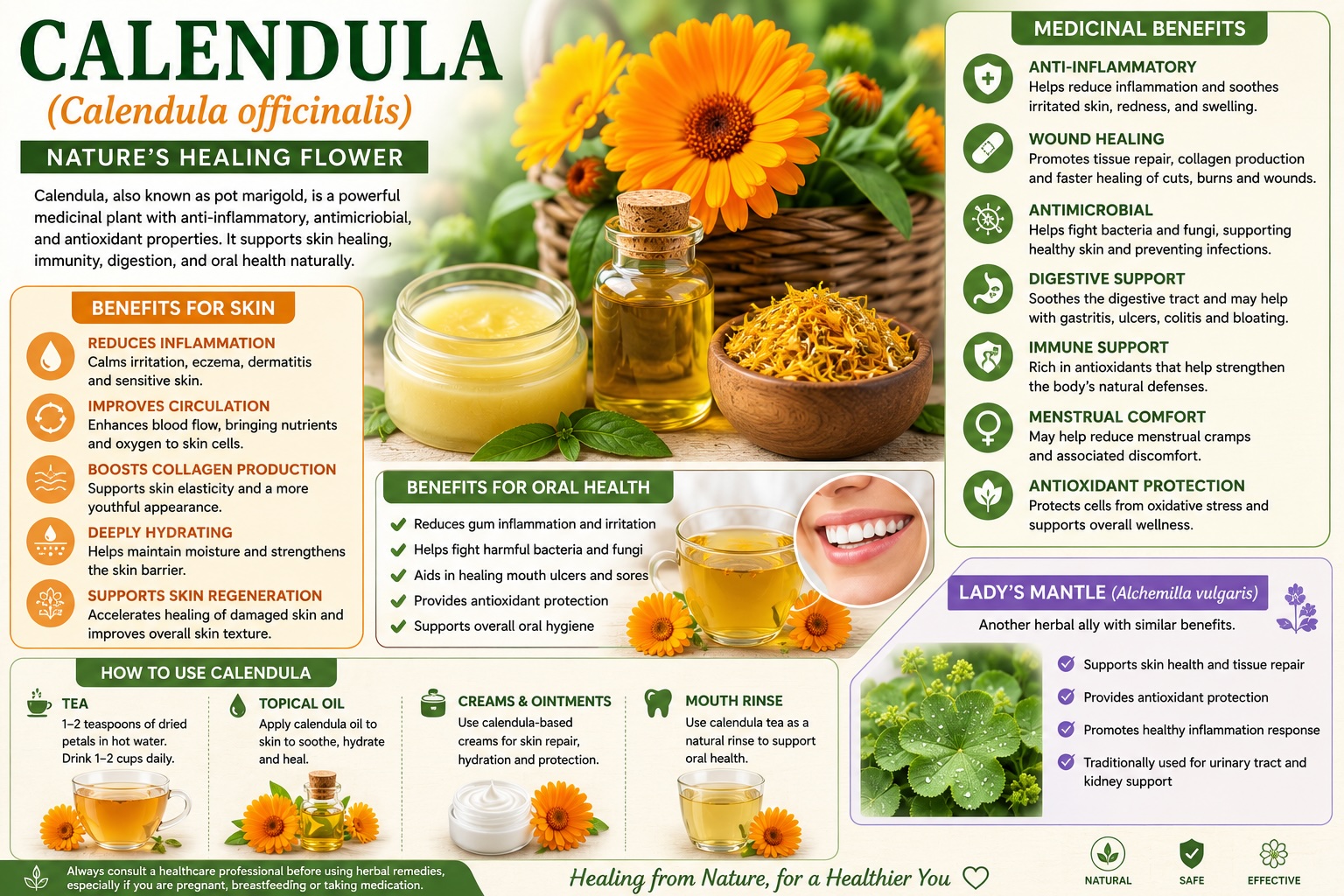
Calendula Benefits for Skin, Immunity, and Oral Health: A Complete Guide
June 23, 2026
Calendula is a bright, healing flower known for its soothing, antioxidant-rich properties. From calming irritated skin to supporting the body’s natural immune defenses and promoting oral comfort, calendula has been...

Cold or Sore Throat? The Best Remedies to Help You Feel Better Faster
June 23, 2026
A cold or sore throat can leave you feeling miserable, but relief may be closer than you think. From soothing natural remedies like honey and herbal tea to effective over-the-counter...
Leave a Comment