
No products in cart
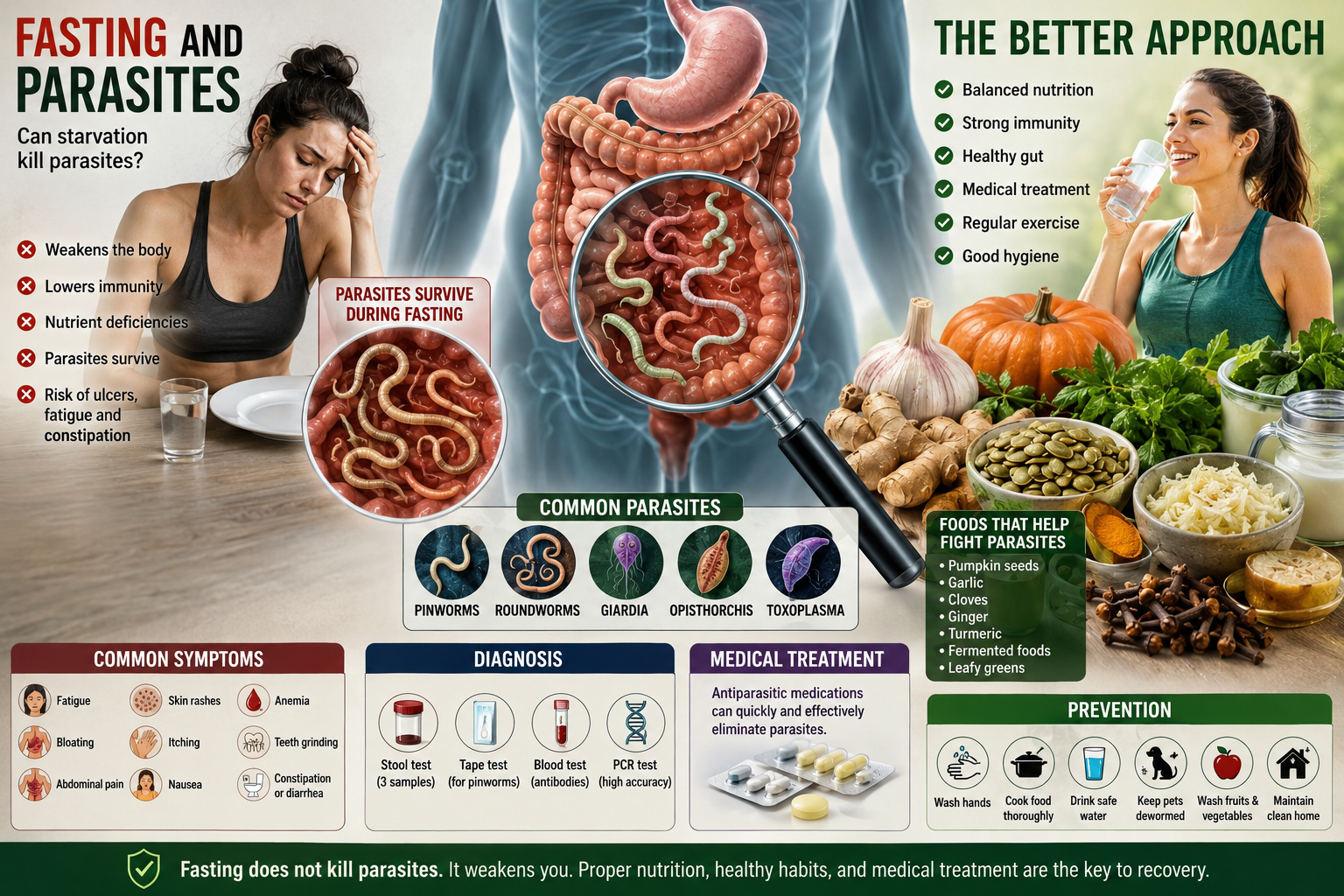
Many people believe that fasting and parasites are directly connected and that starving the body can also starve parasites. However, the reality is far more complex. While fasting is often promoted as a natural cleansing method, there is little scientific evidence showing that it can eliminate parasitic infections. In fact, prolonged fasting may weaken the body’s defenses, making it more difficult to fight parasites effectively.
At the same time, parasitic infections remain one of the most underestimated health problems worldwide. Many people live with parasites for years without realizing it, attributing symptoms to stress, fatigue, allergies, or digestive disorders. Therefore, understanding how parasites affect the body and what truly works against them is essential.
Fasting and Parasites: What Really Happens During Starvation?
When a person undergoes prolonged fasting, the body begins using stored energy reserves to survive. However, parasites are highly adaptable organisms that often continue to obtain nutrients directly from their host. Consequently, fasting does not necessarily kill parasites. Instead, parasites may continue to survive while the person experiences:
- Fatigue
- Weakness
- Muscle loss
- Nutrient deficiencies
- Reduced immune function
As a result, the body may become less capable of defending itself against infections.
Why Fasting and Parasites Are Not an Effective Treatment Strategy
One common myth is that parasites will die before the host suffers. Unfortunately, this is usually not the case. Many parasites feed on nutrients already present within the body, including:
- Digested nutrients
- Blood
- Intestinal secretions
- Host tissues
Therefore, prolonged fasting may harm the person more than the parasite. Furthermore, severe fasting can increase the risk of:
- Gastric irritation
- Ulcers
- Constipation
- Electrolyte imbalances
- Chronic fatigue
For this reason, most healthcare professionals do not recommend fasting as a treatment for parasitic infections.
What Are Parasitic Infections?
Parasitosis is a disease caused by organisms that live at the expense of a human host and negatively impact health. According to health authorities, millions of parasitic infections occur annually, although many cases remain undiagnosed due to mild or nonspecific symptoms. Parasites can enter the body through:
- Contaminated food
- Unsafe water
- Soil exposure
- Contact with infected animals
- Poor hygiene practices
Moreover, many people become infected through everyday activities such as gardening, handling pets, or consuming undercooked food.
Common Parasites That Affect Humans
Several parasites commonly infect humans:
Pinworms
Pinworms are particularly common in children and spread through direct contact with contaminated surfaces and hands.
Roundworms
Roundworms are often transmitted through contaminated soil, fruits, vegetables, and water.
Giardia
Giardia is a microscopic parasite that spreads through contaminated water and can cause significant digestive problems.
Opisthorchis
This parasite is contracted through consuming raw or undercooked freshwater fish and is particularly common in certain regions of Eastern Europe and Asia.
Toxoplasma
Toxoplasma infections may occur through contact with cats or undercooked meat.
Symptoms of Parasites
Parasitic infections often produce symptoms that mimic many other health conditions. Common symptoms include:
- Chronic fatigue
- Abdominal pain
- Bloating
- Nausea
- Diarrhea
- Constipation
- Skin rashes
- Allergies
- Anemia
- Weight loss
- Persistent hunger
- Teeth grinding during sleep
- Anal itching
Furthermore, parasites can damage the intestinal lining, interfere with nutrient absorption, and overload the immune system.
Why Parasites Are Difficult to Detect
Many people assume a single stool test can confirm whether parasites are present. However, diagnosis is often more complicated. Parasites do not continuously release eggs, which means they can be missed during routine testing. For greater accuracy, doctors may recommend:
- Multiple stool tests
- Tape tests for pinworms
- Blood antibody testing
- PCR testing for parasite DNA
Consequently, repeated testing is sometimes necessary to obtain reliable results.
Fasting and Parasites: Better Alternatives
Rather than relying on starvation, experts generally recommend supporting the body’s natural defenses through proper nutrition. A strong immune system is one of the body’s best defenses against infections. Healthy habits include:
- Eating nutrient-dense foods
- Staying hydrated
- Exercising regularly
- Getting adequate sleep
- Practicing good hygiene
In addition, medical treatment should be considered whenever a confirmed parasitic infection is diagnosed.
Foods That May Support Parasite Control
Although nutrition alone cannot eliminate all parasites, certain foods may help create a less favorable environment for them.
These include:
Pumpkin Seeds
Pumpkin seeds contain cucurbitin, a compound believed to interfere with parasite mobility.
Garlic
Garlic contains allicin, which has antimicrobial and antiparasitic properties.
Cloves
Cloves are rich in eugenol and may help target parasite eggs and larvae.
Ginger
Ginger supports digestion and may help reduce inflammation.
Turmeric
Curcumin, the active compound in turmeric, supports liver function and immune health.
Fermented Foods
Fermented vegetables and probiotic-rich foods help restore gut microbiota and improve digestive health.
Foods to Avoid During Parasite Recovery
Certain foods may promote an environment that favors parasite survival. For this reason, some practitioners recommend limiting:
- Refined sugar
- White flour products
- Processed foods
- Excessive alcohol
- Sugary beverages
Additionally, reducing these foods may support overall digestive and immune health.
Medical Treatment for Parasitic Infections
Unlike fasting, antiparasitic medications directly target parasites. Depending on the parasite involved, treatment may include:
- Albendazole
- Mebendazole
- Pyrantel
- Praziquantel
These medications are often inexpensive, highly effective, and may require only a single dose. Therefore, accurate diagnosis followed by targeted treatment remains the gold standard for managing parasitic infections.
Preventing Parasitic Infections
Prevention is always preferable to treatment. To reduce your risk:
- Wash hands thoroughly
- Cook meat and fish completely
- Wash fruits and vegetables carefully
- Drink safe water
- Deworm pets regularly
- Maintain good household hygiene
- Avoid consuming raw fish or undercooked meat
These simple precautions can significantly reduce exposure to parasites.
One Final Thought…
When it comes to fasting and parasites, the idea that parasites will simply starve to death is largely a myth. In reality, prolonged fasting may weaken the body while allowing parasites to continue surviving. Meanwhile, proper nutrition helps strengthen immune defenses, supports gut health, and improves overall well-being.
If you suspect a parasitic infection, the best approach is to seek proper medical evaluation, undergo appropriate testing, and follow evidence-based treatment recommendations. Ultimately, maintaining a healthy diet, practicing good hygiene, and using targeted medical therapies when necessary are far more effective than relying on fasting alone.

Nikole
Senior Editor Nikole has worked as an editor for a newspaper company and brings a strong eye for detail, storytelling, and clear communication. She is passionate about a natural, healthy lifestyle and enjoys learning about plants, wellness, and simple ways to live in harmony with nature. Through her interests and experience, she hopes to share helpful, inspiring, and easy-to-understand content with readers.Related Posts
The Surprising Way Parasites Can Enter Your Home
June 22, 2026
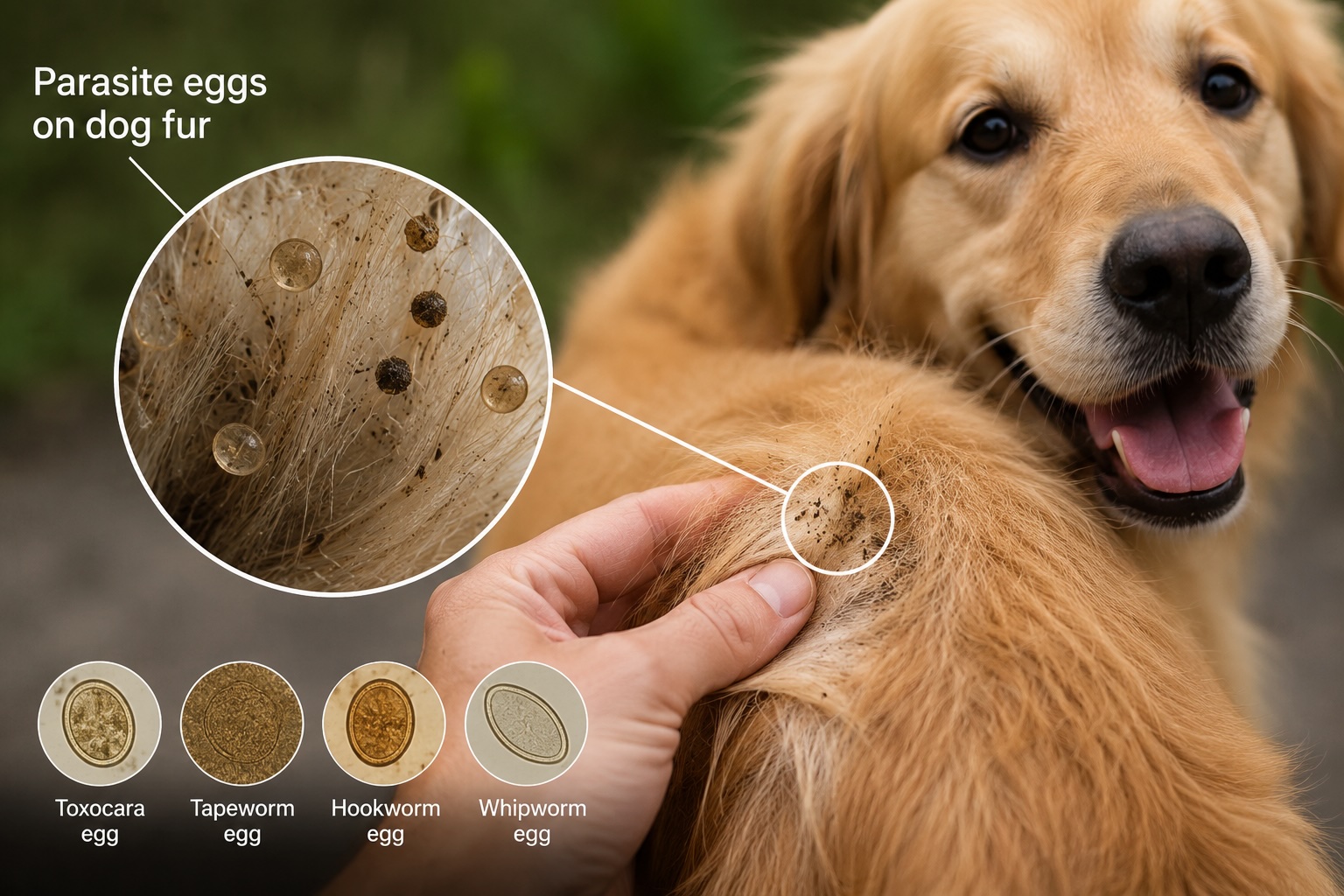
Parasites don't always come from visibly sick animals. Research suggests that dogs can carry parasite eggs into the home on their paws and fur, potentially exposing both pets and people....
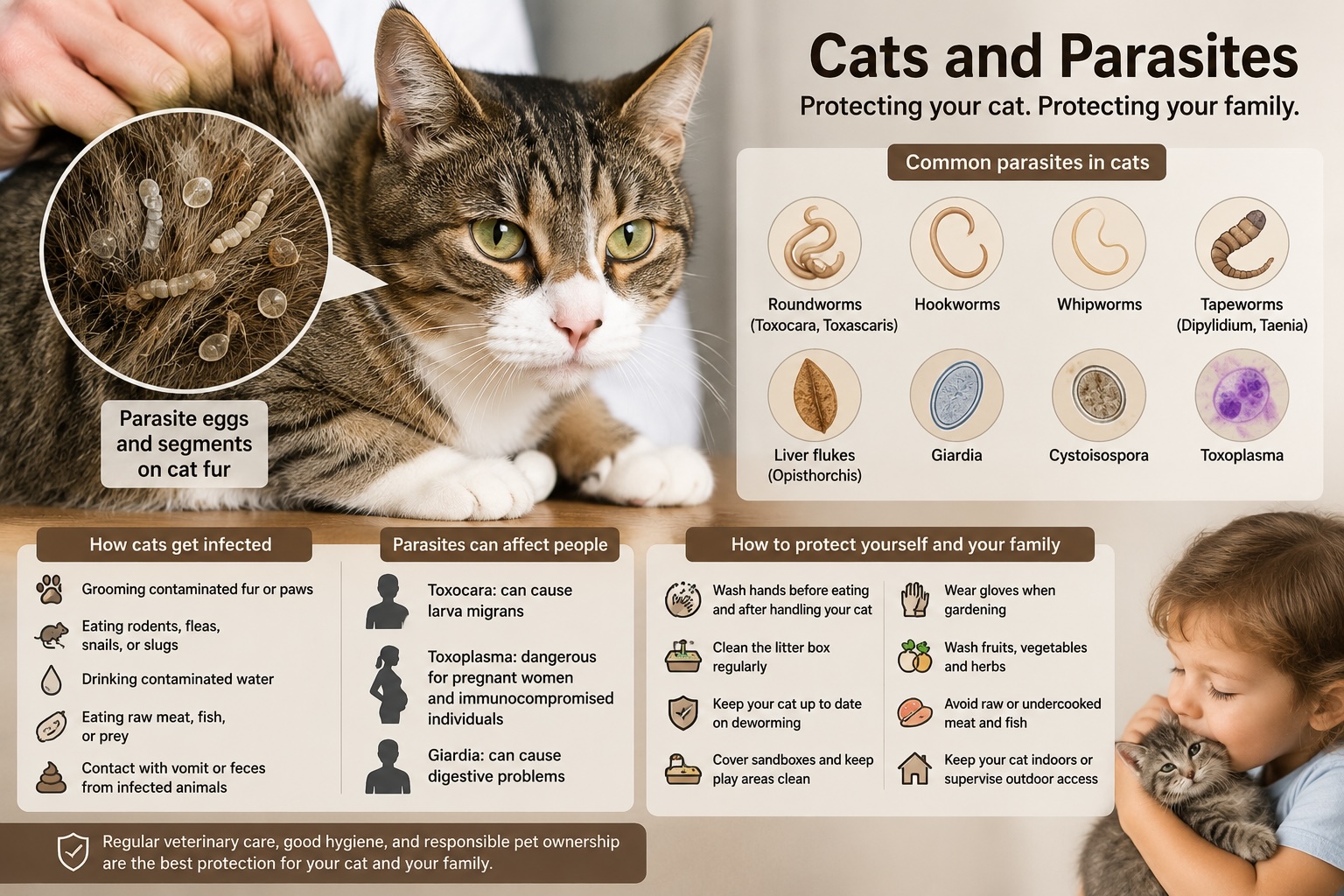
Cats and Parasites: What Every Cat Owner Should Know
June 22, 2026
Cats can be exposed to parasites both indoors and outdoors, and some infections may not show obvious signs at first. From fleas and ticks to worms and microscopic parasites, these...
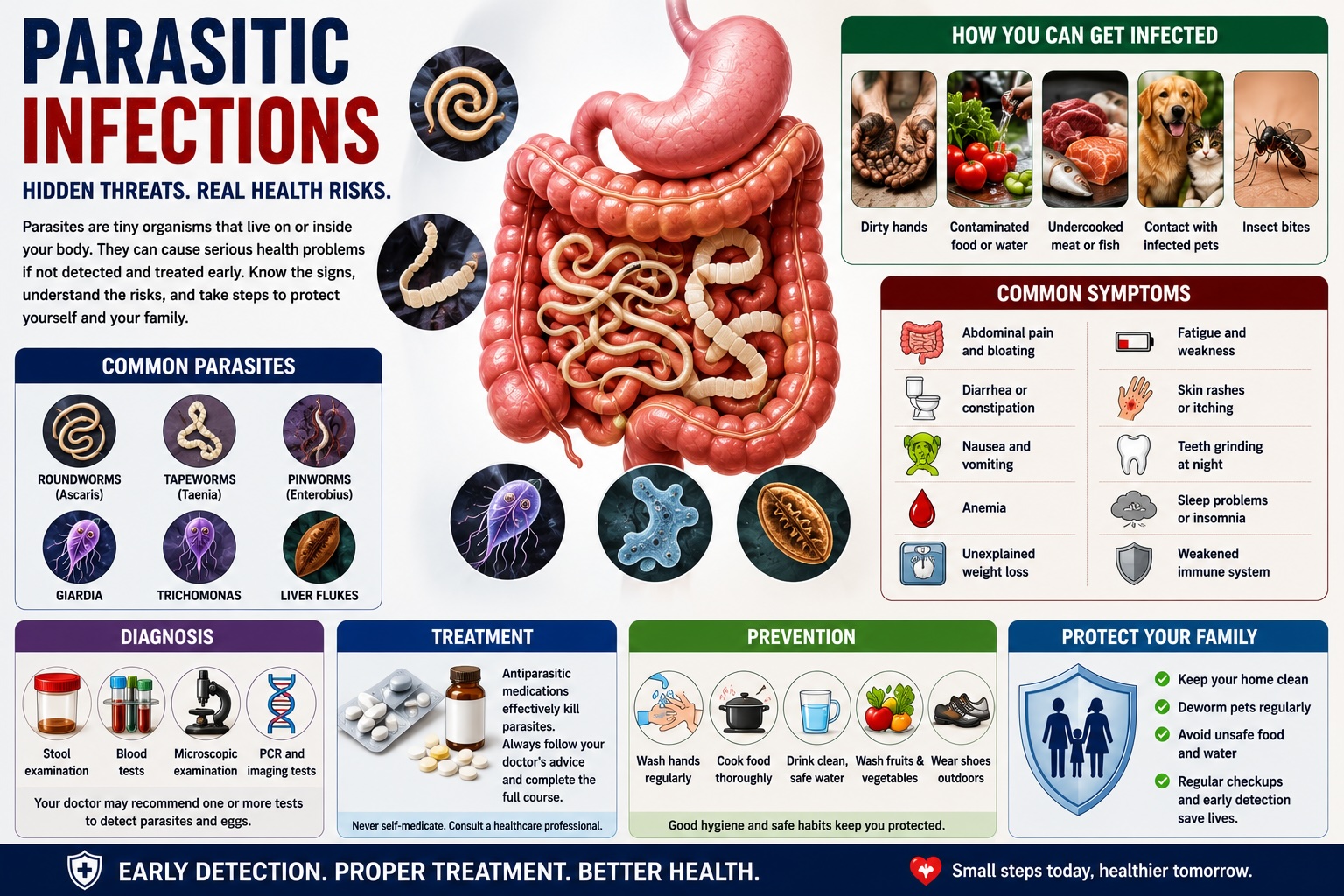
Best Foods That Kill Parasites and Worms
June 22, 2026
Intestinal worms and parasites can enter the body through contaminated food, water, or poor hygiene practices, leading to digestive discomfort and other health issues. Fortunately, certain natural foods may help...
Leave a Comment