
No products in cart

Stress in Modern Life: Understanding Its Causes and Learning How to Cope
Living in a fast-paced city like New York means that stress is often an unavoidable part of daily life. From long commutes and traffic jams to crowded streets, busy shopping centers, and demanding work schedules, many of the situations we face each day are beyond our control. Add environmental concerns, unpredictable weather, sedentary office jobs, and the challenge of balancing work with personal life, and it becomes clear why stress has become such a common issue.
Stress is a state of emotional and physical tension that arises when we face difficult situations that feel overwhelming or uncontrollable. It can manifest as frustration, anxiety, pressure, irritability, or a sense of helplessness. While some stress is a natural response to challenges, chronic stress can negatively affect both mental and physical health.
Common Sources of Stress
Many stressors come from circumstances we cannot directly change. These include economic uncertainty, rising living costs, environmental concerns, weather conditions, job insecurity, delayed income, and the actions or opinions of other people. Since these factors are largely outside our control, dwelling on them often increases frustration without improving the situation.
Instead, it can be helpful to shift attention toward what can be controlled. Practices such as meditation, mindfulness, breathing exercises, and positive visualization can help reduce emotional reactions to external stressors and improve resilience.
Another category of stress involves situations where our own choices and behaviors play a significant role. Poor time management, unrealistic expectations, difficulty setting priorities, and excessive worrying about past or future events can all create unnecessary stress. Learning to focus on the present moment and direct energy toward constructive actions often reduces anxiety and improves overall well-being.
The Stress We Create for Ourselves
Many people place enormous pressure on themselves by pursuing multiple ambitious goals at once. We may dream of a successful career, financial security, a happy family life, social recognition, a beautiful home, and countless other achievements—all simultaneously.
While these goals are not inherently unrealistic, accomplishing everything at once is rarely possible. Constantly comparing reality to an idealized vision of success can become a major source of stress.
One way to reduce this pressure is to identify what truly matters most. Taking time to reflect on personal values, priorities, and long-term goals can help distinguish meaningful aspirations from unrealistic expectations. Meditation and self-reflection can be valuable tools for reconnecting with what genuinely brings fulfillment.
Psychological Stress and Self-Doubt
Some of the most powerful stressors originate within our own minds. People who struggle with self-confidence often experience intense emotional stress because they doubt their abilities, fear failure, or expect negative outcomes.
Overcoming this type of stress may require developing healthier thought patterns, learning relaxation techniques, reading self-development literature, practicing mindfulness, or seeking professional guidance. Building confidence gradually through small achievements can significantly reduce anxiety and improve emotional resilience.
Natural Ways to Relieve Stress
Many natural remedies have traditionally been used to support relaxation and calm the nervous system. Herbal teas and extracts such as lemon balm, valerian root, motherwort, hops, and lavender are commonly associated with stress relief and improved sleep quality.
While these remedies may help some people feel more relaxed, they are most effective when combined with broader lifestyle strategies such as regular exercise, adequate sleep, healthy nutrition, and stress-management practices.
Preventing Stress Before It Builds Up
Although we cannot control every situation, we can influence how we respond to challenges. Activities such as yoga, meditation, breathing exercises, sports, creative hobbies, and spending time in nature can help build resilience against stress.
Immersing yourself in meaningful projects, enjoyable hobbies, or regular physical activity can create a sense of balance and fulfillment. Over time, these habits may strengthen emotional well-being, increase self-confidence, and make stressful situations easier to manage.
It is also important to address problems promptly whenever possible. Taking action early, rather than allowing worries to accumulate, can help restore emotional balance and prevent chronic stress from developing.
A Healthier Perspective on Stress
In today’s world, we are constantly exposed to information, much of it negative. Learning to recognize stress and respond to it effectively is more important than ever. While we cannot eliminate every challenge, we can develop healthier reactions to difficult circumstances.
Much of our emotional well-being depends not on what happens to us, but on how we interpret and respond to events. By focusing on solutions, maintaining perspective, and practicing self-care, we can reduce the impact of stress on our lives.
Life will always include difficult days, but it is equally important to recognize moments of joy, kindness, and gratitude. Finding something positive even during challenging times can help cultivate resilience, improve emotional health, and remind us that stressful situations are temporary.
Stress is often unavoidable, but our response to it can make a significant difference. What coping strategies have you found most effective for managing stress and maintaining emotional balance in a busy, fast-paced world?



Lia
Founder & Editor Lia is a biologist with many years of research experience and a deep love for natural medicine. She is passionate about natural remedies, healthy living, and simple ways to support the body through nature. Eager to share her knowledge, Lia enjoys offering helpful lifestyle tips, wellness tricks, natural recipes passed down through generations, and inspiring ideas for living a healthier and more balanced life.Related Posts
How Forest Walks Reduce Stress
June 29, 2026
Forest walks offer more than fresh air and beautiful views. Spending time among trees can support physical health, calm the nervous system, reduce stress, improve mood, and help city residents...
3 Natural Remedies for Stress and Anxiety: How to Feel Calmer and More Balanced Naturally
June 24, 2026
Stress and anxiety can affect your mood, energy, sleep, and overall well-being, but gentle natural support may help you feel more grounded. From calming herbs to mindful breathing and simple...
When Anger Turns Harmful: Understanding Aggression and Its Impact
June 24, 2026
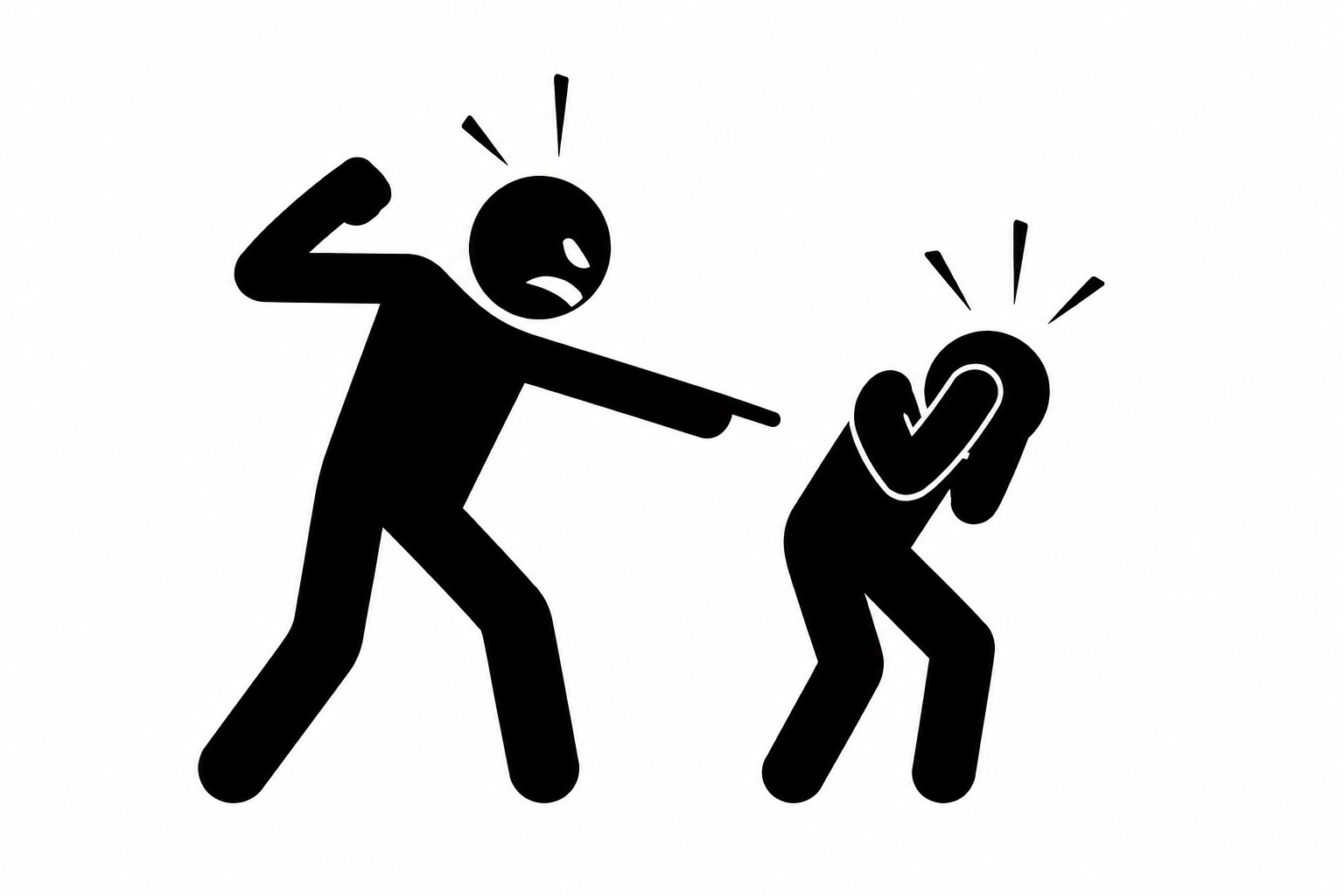
Anger is a natural emotion, but when it turns into aggression, it can harm relationships, mental well-being, and even physical health. Aggression may appear through words, actions, or repeated patterns...
Leave a Comment