
No products in cart

Animal fats in cosmetics may sound unusual at first, but in many Asian skincare traditions, especially in Korean and Japanese cosmetics, these ingredients have been used for years to nourish, soften, and protect the skin. From horse oil and mink oil to lanolin and emu oil, animal-derived fats are often valued for their rich texture, fatty acid content, and ability to support dry, rough, or mature skin.
Today, many beauty brands focus on attractive packaging and powerful marketing claims. However, the real value of a cream, mask, or balm is usually found in the formula. When a product contains nourishing lipids, whether plant-based or animal-derived, it may help restore the skin’s natural barrier and make the skin feel softer, smoother, and more comfortable.
What Are Animal Fats in Cosmetics?
Animal fats in cosmetics are ingredients obtained from the fatty tissues or natural secretions of animals, birds, fish, or marine sources. In skincare, they are usually purified, processed, and added to creams, masks, balms, shampoos, and body products.
These fats are rich in fatty acids, waxes, vitamins, and lipid-like substances. Depending on the source, they may contain oleic acid, linoleic acid, palmitic acid, stearic acid, myristic acid, and other compounds that help soften and protect the skin. In simple terms, animal fats act as emollients. This means they help smooth the skin, reduce dryness, and support the skin’s moisture barrier. Some animal-derived fats may also work as thickeners, carriers, or protective ingredients in cosmetic formulas.
Why Animal Fats Became Popular in Asian Skincare
In Korean and Japanese cosmetics, animal fats are often used because they are believed to absorb well and deeply nourish the skin. Some of these ingredients, such as horse oil, have a long history in Asian beauty and traditional skin care.
For example, horse oil, also known as Bayu in Japan, has been used for generations as a remedy for dry skin, burns, rough patches, and minor skin damage. It became popular because its fatty acid composition is often described as being similar to the natural oils produced by human skin. Because of this, it is believed to absorb easily and leave less stickiness compared with some heavier plant oils.
During winter, when indoor heating, cold air, and wind can make the skin extremely dry, richer creams and oils become especially useful. This is one reason why products with animal fats are often recommended for very dry, rough, mature, or weather-damaged skin.
How Animal Fats Are Used in Cosmetics
Before animal fats are added to cosmetic products, they usually go through a purification process. This helps remove impurities, reduce odor, improve texture, and make the ingredient more suitable for skincare formulas. In cosmetic ingredient lists, animal fats may appear under names such as:
- Horse Oil
- Horse Fat
- Mink Oil
- Mink Fat
- Lanolin
- Emu Oil
- Ostrich Oil
- Crocodile Oil
- Shark Liver Oil
- Spermaceti
- Cetyl Palmitate
Some products may also list cholesterol, which can be animal-derived and is commonly used in nourishing and barrier-supporting skincare products. Although these ingredients are called “oils,” many of them originally come from fat. After purification and processing, they become smoother, lighter, and more oil-like in texture.
Horse Oil in Korean and Japanese Cosmetics
Horse oil is one of the most recognized animal fats in Japanese and Korean skincare. In Japan, it is often called Bayu, and it can be found in creams, balms, shampoos, hand creams, and even pure oil products. Horse oil is valued because it is said to absorb easily into the skin without leaving a heavy, sticky film. It is often used for dry cheeks, rough elbows, cracked hands, and skin that feels tight or undernourished. Products with horse oil may help:
- moisturize and soften dry skin
- support the skin barrier
- reduce flaking and roughness
- protect skin from cold and wind
- improve the feeling of tight or uncomfortable skin
- support mature or tired-looking skin
Many Korean beauty brands have used horse oil in face creams, masks, hand creams, and body care products. It is especially popular in richer formulas made for dry, dull, or aging skin.
Mink Oil in Skincare
Mink oil has been used in skincare for many years and is known for its nourishing properties. It was once common in certain creams, including older-style beauty products that focused on softening and protecting dry skin. Mink oil contains a high amount of fatty acids and is often described as deeply nourishing. It may help improve the feeling of rough skin, support elasticity, and soften dry patches. In cosmetics, mink oil is usually found in richer anti-aging creams, night creams, and products designed for dry or mature skin.
It may help:
- soften and nourish the skin
- support the hydrolipid barrier
- improve the look of dry fine lines
- make the skin feel smoother and more elastic
- protect against cold weather and dryness
However, mink oil is not suitable for people who avoid animal-derived ingredients, including vegans and many vegetarians.
Lanolin: The Wool-Derived Skin Protector
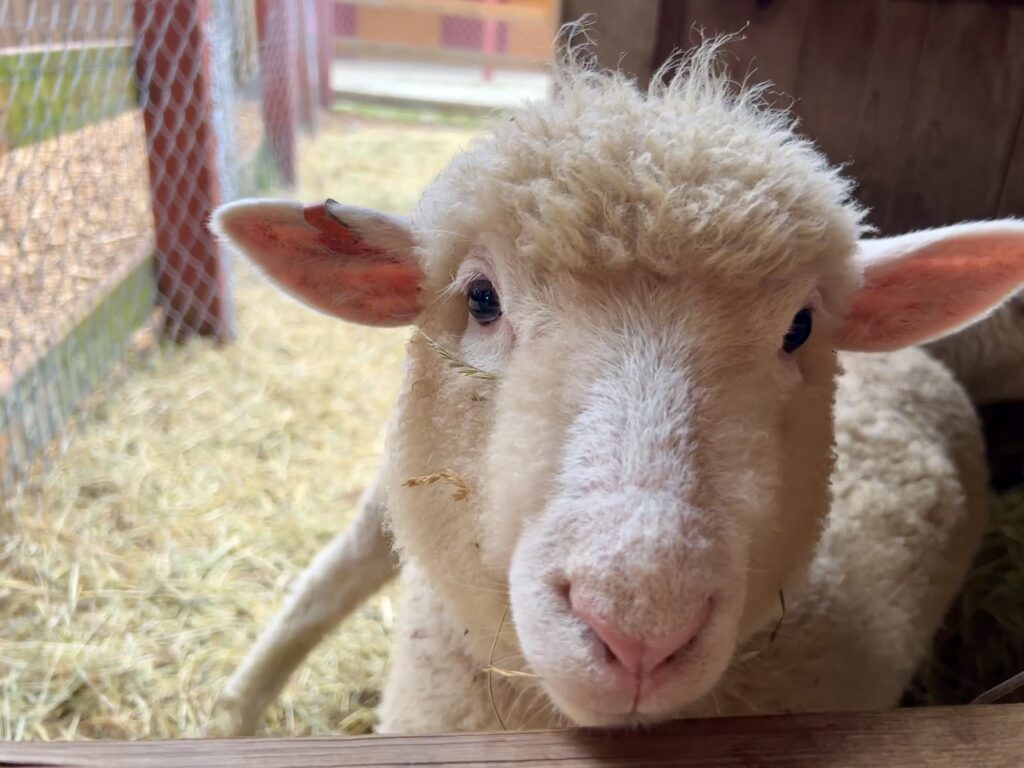
Lanolin is one of the most common animal-derived ingredients in skincare. Technically, it is not exactly animal fat, but a fat-like waxy substance obtained from sheep’s wool. Lanolin is widely used in balms, creams, lip products, hand creams, and ointments because it is excellent at reducing moisture loss. It creates a protective layer on the skin, making it helpful for cracked hands, dry lips, rough heels, and irritated patches. Lanolin may help:
- lock moisture into the skin
- soften rough or cracked areas
- protect against wind and cold
- support damaged or dry skin barriers
However, some people may be sensitive to lanolin, so a patch test is a good idea before using it on the face or sensitive areas.
Emu and Ostrich Oil in Cosmetics
Emu oil, often connected with ostrich or emu fat, is another animal-derived ingredient used in skincare. It contains fatty acids such as oleic acid, linoleic acid, palmitic acid, and stearic acid. Because of its rich composition, emu oil is often used in products for dry, irritated, or rough skin. It has a soft, nourishing texture and is commonly found in creams, body products, and balms.
Emu oil may help:
- nourish dry skin
- reduce the feeling of roughness
- soften flaky areas
- support the skin barrier
- improve the appearance of mature skin
Like other animal fats in cosmetics, it is best suited for people who are comfortable using animal-derived skincare ingredients.
Crocodile, Shark, and Other Animal Oils
Some Korean and Asian cosmetic products also use more unusual animal-derived ingredients, such as crocodile oil, shark liver oil, turtle oil, and sperm whale fat alternatives.
Crocodile oil is often promoted for its fatty acids, antioxidants, and skin-softening properties. Shark liver oil has traditionally been valued for ingredients such as squalene and vitamin-like compounds. However, because of ethical and environmental concerns, many brands now use plant-derived or synthetic alternatives instead.
Squalane, for example, was once commonly obtained from sharks, but today many cosmetic companies use plant-derived squalane from olives, sugarcane, or other botanical sources.
Spermaceti, which originally came from sperm whales, is no longer used in modern mainstream cosmetics in its original form. Instead, synthetic alternatives such as cetyl palmitate are commonly used to create a similar softening and stabilizing effect.
Animal Fats vs. Plant Oils in Cosmetics
One common question is whether animal fats are better than plant oils. The answer depends on the product, the skin type, and personal values. Animal fats are often praised because they can feel compatible with the skin’s natural oils. Some people find that they absorb well, nourish deeply, and leave less stickiness than certain plant oils.
However, plant oils also offer many benefits. Oils such as macadamia oil, olive oil, jojoba oil, argan oil, and blackcurrant seed oil are rich in fatty acids and antioxidants. They can nourish the skin beautifully without using animal-derived ingredients. For example, macadamia oil is sometimes compared with mink oil because of its soft, skin-friendly texture. Jojoba oil is also popular because it closely resembles the skin’s natural sebum. Plant-derived squalane is another excellent option for people who want a lightweight, non-greasy moisturizing ingredient.
In the end, the best choice depends on your skin needs, your ethical preferences, and how your skin reacts to the formula.
Benefits of Animal Fats in Cosmetics
Animal fats in cosmetics may offer several skincare benefits, especially for dry, mature, or damaged skin. They may help:
- restore the skin’s lipid barrier
- reduce dryness and flaking
- soften rough areas
- protect against cold, wind, and dry indoor air
- improve the feeling of tight skin
- support smoother-looking skin
- make mature skin feel more nourished
- help creams feel richer and more protective
This is why animal fats are most commonly found in night creams, winter creams, hand creams, masks, balms, and intensive repair products.
Who May Benefit from Animal Fat-Based Skincare?
Cosmetics with animal fats are usually best suited for people with dry, very dry, mature, rough, or weather-damaged skin. They may be helpful if your skin feels:
- tight after washing
- flaky during winter
- rough from cold weather
- dry because of indoor heating
- thin, tired, or dull
- in need of richer nourishment
- sensitive to wind and harsh weather
They can also be useful for hands, elbows, knees, heels, and other areas that become dry and rough easily.
Who Should Avoid Animal Fats in Cosmetics?
Animal fats are not ideal for everyone. People with oily, acne-prone, or comedone-prone skin should be careful with rich animal-fat-based products because some formulas may feel too heavy or clog pores. You may want to avoid these products if you:
- prefer vegan skincare
- avoid animal-derived ingredients
- have very oily skin
- are prone to clogged pores
- have acne-prone skin
- are sensitive to lanolin or rich balms
- react easily to new cosmetic ingredients
As with any skincare product, it is best to do a patch test first. Apply a small amount to the wrist or inner elbow and wait 24 hours before using it on the face.
Ethical Considerations
Animal fats in cosmetics can raise ethical questions. Some ingredients are by-products of other industries, while others are more controversial because of animal welfare or environmental concerns. Today, many consumers prefer plant-based or synthetic alternatives. Fortunately, modern cosmetic chemistry offers many options, including plant-derived squalane, botanical oils, vegan waxes, and lab-created emollients that can provide similar softening and moisturizing effects. If ethical sourcing matters to you, always check the brand’s ingredient policy, cruelty-free status, and vegan labeling before buying.
Final Thoughts on Animal Fats in Korean and Japanese Cosmetics
Animal fats in Korean and Japanese cosmetics may sound strange at first, but they have a long history in Asian skincare. Ingredients such as horse oil, mink oil, lanolin, and emu oil are mainly used for their nourishing, softening, and protective qualities. They can be especially helpful for dry, mature, rough, or winter-stressed skin. However, they are not the best choice for everyone. People with oily or acne-prone skin may find them too heavy, while vegans and vegetarians may prefer plant-based alternatives. The most important thing is to look beyond packaging and marketing. Always check the ingredient list, understand what your skin needs, and choose products that match both your skincare goals and your personal values.
Have you ever used skincare products with animal-derived ingredients like horse oil, mink oil, or lanolin? Would you try them, or do you prefer plant-based alternatives?




Leave a Comment