
No products in cart
High Blood Sugar Explained: What Hyperglycemia Means for Your Health
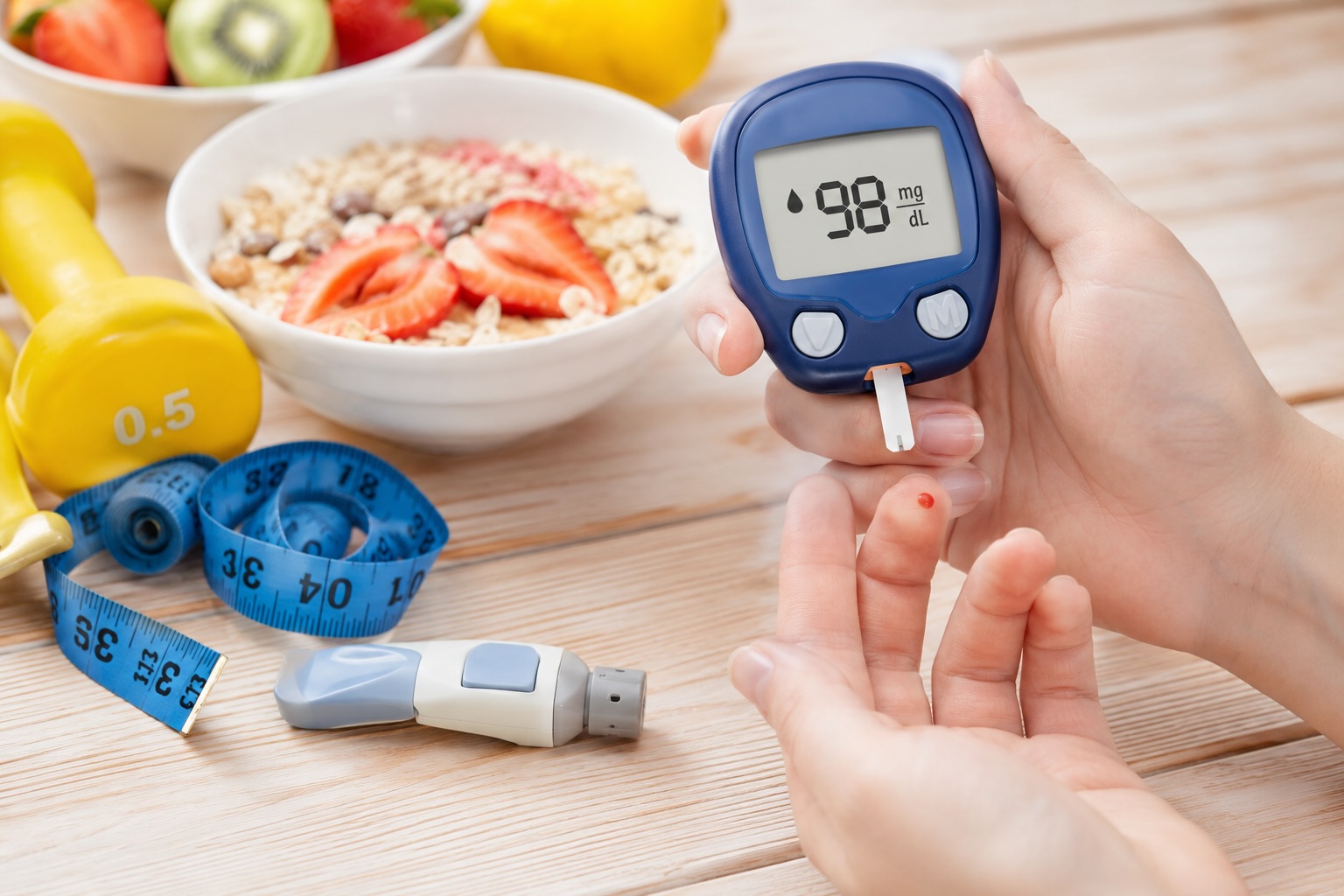
Hyperglycemia is a condition in which blood glucose (sugar) levels become higher than normal. It is most commonly associated with diabetes, but it can also occur in people without diabetes due to stress, a high-carbohydrate diet, hormonal disorders, or certain medications. In many cases, the speed at which blood sugar rises is just as important as the actual glucose level.
What Causes Hyperglycemia?
The causes of hyperglycemia can be divided into temporary (physiological) and disease-related (pathological) factors.
Temporary increases in blood sugar may occur during pregnancy, after consuming large amounts of sugary or carbohydrate-rich foods, or during periods of physical or emotional stress. Stress hormones, particularly adrenaline, can trigger a short-term rise in blood glucose. In these situations, blood sugar levels usually return to normal without treatment.
Pathological hyperglycemia is most often linked to diabetes. In type 1 diabetes, blood sugar can rise rapidly because the body produces little or no insulin. In type 2 diabetes, glucose levels tend to increase gradually and may remain elevated for long periods if left untreated.
Other medical conditions that can lead to hyperglycemia include hyperthyroidism, Cushing’s syndrome, pheochromocytoma, acromegaly, severe infections, cystic fibrosis, brain disorders, extensive burns, HIV infection, and certain inherited syndromes.
Symptoms of Hyperglycemia
The symptoms of hyperglycemia are similar regardless of the underlying cause. One of the earliest signs is frequent urination, which causes the body to lose excessive amounts of fluid. As dehydration develops, individuals often experience persistent thirst, dry mouth, and dry skin. Other common symptoms include:
- Increased appetite despite weight loss
- Fatigue and weakness
- Excessive sleepiness
- Irritability or mood changes
- Blurred vision
- Difficulty concentrating
- Fruity or acetone-like breath odor
In severe cases, symptoms may worsen rapidly and require immediate medical attention.
Hyperglycemia in Children and Older Adults
In children, even mild elevations in blood sugar may indicate an increased future risk of diabetes. Maintaining a healthy weight, encouraging regular physical activity, and limiting sugary foods can help reduce this risk.
In older adults, symptoms are often less obvious and may be mistaken for other health conditions. Fatigue, vision changes, weakness in the legs, recurrent infections, and memory problems may all be signs of elevated blood sugar.
Potential Complications
When hyperglycemia is not properly treated, it can damage many organs and systems throughout the body. Long-term complications may include:
- Kidney disease
- Eye damage (diabetic retinopathy)
- Nerve damage (neuropathy)
- Heart and blood vessel disease
Severe hyperglycemia can also lead to life-threatening emergencies such as diabetic ketoacidosis and hyperosmolar hyperglycemic syndrome.
How Is Hyperglycemia Diagnosed?
Hyperglycemia is often discovered during routine blood testing. If elevated glucose levels are detected, additional testing may be recommended to determine the cause and assess overall health.
Common diagnostic tests include:
- Fasting blood glucose
- Oral glucose tolerance test (OGTT)
- Glycated hemoglobin (HbA1c)
- Urinalysis
- Cholesterol and lipid profile testing
- Thyroid hormone evaluation
- Kidney function tests
- Eye examinations
- Electrocardiogram (ECG)
Additional imaging studies may be required if an underlying endocrine disorder is suspected.
Treatment
Treatment depends on the cause of the elevated blood sugar. If hyperglycemia develops suddenly, immediate medical attention may be necessary. A conscious person should drink water and seek medical care, while an unconscious individual requires emergency assistance.
For people with diabetes, treatment typically includes:
- A balanced, diabetes-friendly diet
- Regular physical activity
- Weight management
- Routine blood glucose monitoring
- Medications or insulin therapy when necessary
Insulin is essential for individuals with type 1 diabetes and may also be used in certain cases of type 2 diabetes, pregnancy, or advanced disease. Oral glucose-lowering medications are commonly prescribed for type 2 diabetes and are tailored to each patient’s needs. For some individuals with severe obesity, bariatric surgery may be considered when lifestyle changes and medications are not sufficient.
Prevention
Many cases of hyperglycemia can be prevented through healthy lifestyle habits. Regular exercise, balanced nutrition, stress management, maintaining a healthy weight, and routine blood sugar screening all play an important role. Early detection is equally important. Monitoring glucose levels and seeking medical advice when symptoms appear can help prevent serious complications and protect long-term health.
Hyperglycemia often develops gradually, and its early symptoms can be easy to overlook. What steps do you think people can take to recognize warning signs earlier and reduce their risk of developing long-term complications?


Lia
Founder & Editor Lia is a biologist with many years of research experience and a deep love for natural medicine. She is passionate about natural remedies, healthy living, and simple ways to support the body through nature. Eager to share her knowledge, Lia enjoys offering helpful lifestyle tips, wellness tricks, natural recipes passed down through generations, and inspiring ideas for living a healthier and more balanced life.Related Posts

Diabetes Meal Planning with Bread Units
July 7, 2026
Learn the basics of nutrition for diabetes, including bread units, carbohydrate counting, insulin matching, food labels, and mealtime blood sugar monitoring....

Fruits and Diabetes: Best and Worst Choices
July 7, 2026
Can people with diabetes eat fruit? Learn which fruits are better for blood sugar, which ones to limit, and why whole fruits are usually healthier than juice....
Leave a Comment