
No products in cart
When Anger Turns Harmful: Understanding Aggression and Its Impact
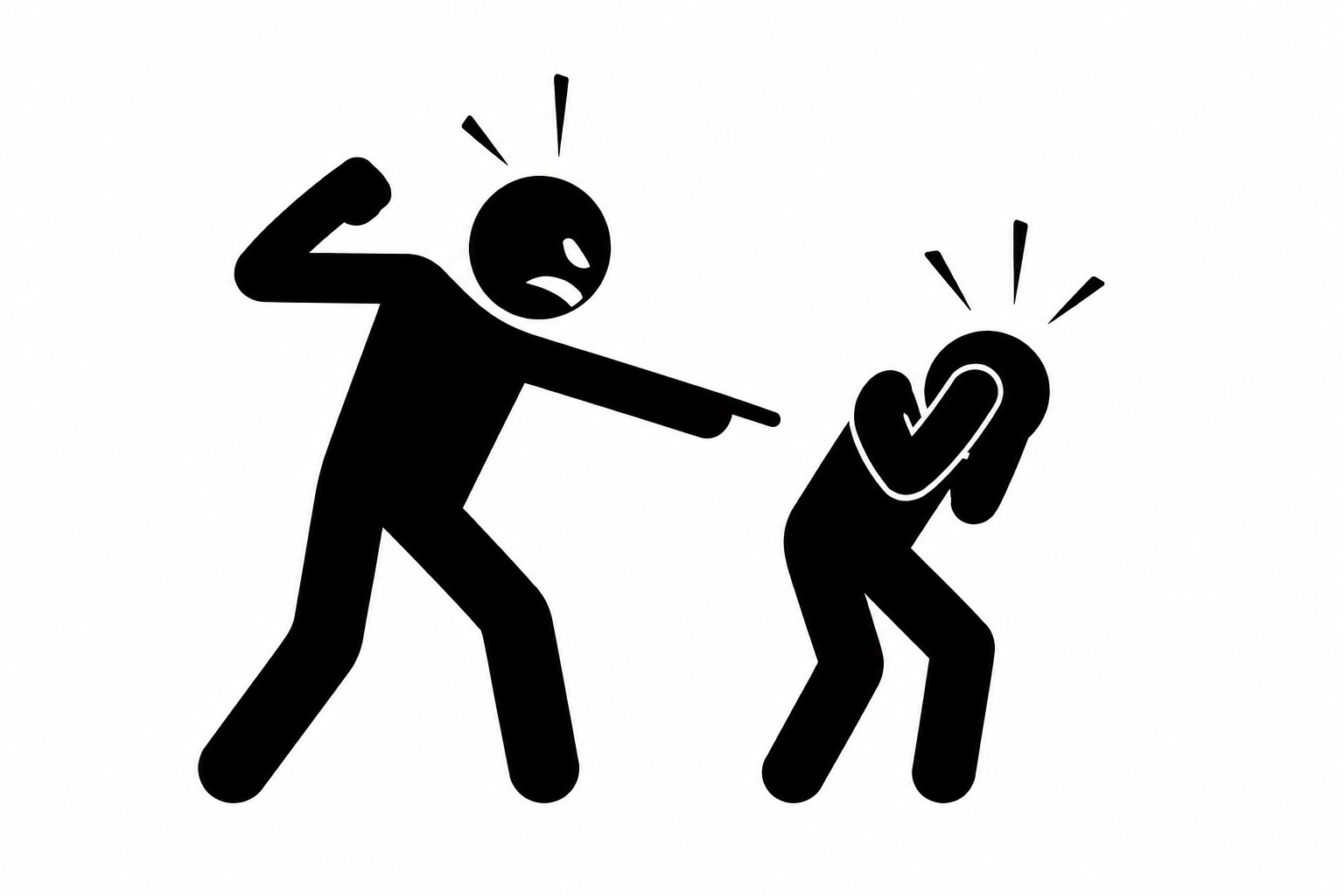
Aggression is a behavioral trait characterized by actions, words, or attitudes intended to harm oneself or others. It often involves hostility, anger, frequent conflicts, and difficulty maintaining healthy relationships. While aggression may sometimes appear as verbal outbursts or negative thoughts, it can also escalate into physical violence, self-harm, or destructive behavior.
People struggling with excessive aggression are often highly sensitive to criticism, easily irritated, and prone to intense anger or rage. In some cases, their hostility may be directed not only toward others but also toward themselves.
Understanding Aggression
Not all aggression is harmful. Psychologists distinguish between constructive aggression and destructive aggression.
Constructive aggression serves a healthy purpose. It helps people defend themselves, establish personal boundaries, and adapt to challenging situations. In these cases, assertiveness and self-protection are appropriate responses.
Destructive aggression, however, is characterized by hostility, harmful actions, verbal abuse, and intentional attempts to hurt oneself or others. This form of aggression can significantly damage relationships, mental health, and overall well-being.
What Causes Aggression?
Aggression can develop for many reasons, including psychological difficulties, mental health disorders, substance use, traumatic experiences, and environmental influences.
Common risk factors include:
- Harsh or abusive treatment during childhood
- Bullying by peers
- Exposure to violence in media or social environments
- Alcohol or drug use
- Hormonal changes, including postpartum depression
- Chronic pain or serious illness
- Neurological and psychiatric disorders
- Stroke-related personality and behavior changes
- Dementia
- Severe or prolonged stress
- Recovery from surgery and anesthesia
- Psychological trauma following war, accidents, violence, or natural disasters
While healthy assertiveness helps people achieve goals and stand up for themselves, destructive aggression often leads to harmful behavior and negative consequences.
Psychological and Social Factors
Several psychological and social mechanisms can contribute to aggressive behavior.
Environmental factors such as extreme heat, noise, overcrowding, fatigue, stress, or physical pain can increase irritability and anger.
Behavioral factors may emerge when individuals feel criticized, judged, or threatened, leading them to react defensively.
Personality traits also play a role. Aggression is more common among emotionally unstable individuals, people with low self-esteem, or those who frequently compare themselves to others.
Social influences can shape aggressive behavior as well. Exposure to violence, discrimination, social conflict, or unhealthy family dynamics increases the likelihood of developing hostile attitudes.
People who grow up in environments marked by abuse, humiliation, or chronic conflict are particularly vulnerable to developing destructive patterns of behavior.
Aggression and Mental Health Conditions
Aggression can be a symptom of various mental health disorders.
In depression, hostility is often directed inward. Individuals may engage in self-criticism, experience feelings of worthlessness, or develop self-destructive behaviors. In severe cases, this may lead to self-harm or suicidal thoughts.
People with dementia may become aggressive because they struggle with memory loss, confusion, and dependence on others. They often have difficulty controlling their emotions and reactions.
Aggression may also occur in individuals with schizophrenia, particularly when delusions, paranoia, or hallucinations cause them to feel threatened or persecuted.
Alcohol and drug use are additional contributors because they impair judgment, alter perception, and reduce self-control.
Signs and Symptoms
Aggression can affect people of all ages, including children, teenagers, and adults. It may be deliberate and controlled or impulsive and unpredictable.
Common signs include:
- Hostility toward others
- Irritability and impatience
- Frequent anger or rage
- Negative attitudes toward people and situations
- Increased conflict with others
- Emotional outbursts
- Difficulty controlling emotions
Other warning signs may include:
- Insulting, threatening, or humiliating others
- Physical violence or intimidation
- Manipulative behavior
- Excessive resentment or hatred
- Hypersensitivity to criticism
- Impulsiveness
- Suspicion and distrust
- Refusal to accept responsibility
Types of Aggression
Aggression can take several forms:
Physical aggression involves causing physical harm through hitting, pushing, kicking, or throwing objects.
Verbal aggression includes shouting, threats, insults, and hostile language.
Passive aggression is expressed indirectly through deliberate avoidance, silent treatment, stubbornness, or intentional noncooperation.
Self-directed aggression (auto-aggression) involves self-harm or behaviors that intentionally damage one’s own health and well-being.
Other forms include social aggression, emotional aggression, and psychological aggression aimed at causing emotional distress or social harm.
Possible Consequences
Untreated aggression can have serious consequences for both the individual and those around them.
For the person displaying aggression, long-term effects may include:
- Anxiety disorders
- Depression
- Social isolation
- Relationship difficulties
- Poor workplace performance
- Increased risk of mental health disorders
In extreme cases, destructive behavior may lead to self-harm or suicide.
For others, aggression can result in:
- Physical injury
- Emotional trauma
- Constant fear and insecurity
- Property damage
- Legal and social consequences
Suppressing anger rather than addressing it can also be harmful, leading to chronic stress, anxiety, and psychosomatic symptoms.
Diagnosis
Understanding the source of aggression is the first step toward effective treatment. In situations involving violence or abuse, personal safety should always be the priority. Mental health professionals assess aggression through detailed interviews, behavioral observation, and psychological testing. They may speak with both the individual and family members to gain a clearer understanding of the problem. Common assessment methods evaluate hostility, emotional regulation, impulse control, and personality traits that may contribute to aggressive behavior.
Treatment
Treatment depends on the underlying cause but generally focuses on improving self-control, reducing hostility, and strengthening emotional resilience.
Individual psychotherapy helps people identify the root causes of anger and aggression. Patients learn healthier coping strategies, emotional regulation techniques, and communication skills.
Group therapy and skills training provide opportunities to practice conflict resolution, emotional awareness, and constructive social interactions.
When aggression is severe or associated with a psychiatric disorder, medication may be recommended. Depending on the individual’s condition, treatment may include antidepressants, mood stabilizers, antipsychotic medications, anti-anxiety drugs, or beta-blockers.
Prevention
Preventing aggression begins with supporting emotional well-being and learning healthy ways to manage stress. Helpful preventive strategies include:
- Avoiding alcohol and substance misuse
- Seeking treatment for neurological or mental health conditions
- Maintaining a balanced diet
- Getting adequate sleep
- Developing hobbies and healthy outlets for emotions
- Building strong social support networks
- Learning stress-management and conflict-resolution skills
- Establishing and respecting personal boundaries
Aggression does not have to define a person or their relationships. With appropriate support, self-awareness, and treatment, individuals can learn healthier ways to express emotions, manage conflict, and build more positive connections with others.
Aggression can be influenced by personal experiences, stress, environment, and mental health. In your opinion, what role do emotional awareness and healthy communication play in preventing conflicts from escalating into aggressive behavior?



Lia
Founder & Editor Lia is a biologist with many years of research experience and a deep love for natural medicine. She is passionate about natural remedies, healthy living, and simple ways to support the body through nature. Eager to share her knowledge, Lia enjoys offering helpful lifestyle tips, wellness tricks, natural recipes passed down through generations, and inspiring ideas for living a healthier and more balanced life.Related Posts

How Forest Walks Reduce Stress
June 29, 2026
Forest walks offer more than fresh air and beautiful views. Spending time among trees can support physical health, calm the nervous system, reduce stress, improve mood, and help city residents...

3 Natural Remedies for Stress and Anxiety: How to Feel Calmer and More Balanced Naturally
June 24, 2026
Stress and anxiety can affect your mood, energy, sleep, and overall well-being, but gentle natural support may help you feel more grounded. From calming herbs to mindful breathing and simple...

Stress in Modern Life: Understanding Its Causes and Learning How to Cope
June 24, 2026
Stress has become a common part of modern life, affecting the mind, body, sleep, mood, and overall well-being. From work pressure and busy schedules to technology, relationships, and daily responsibilities,...
Leave a Comment