
No products in cart
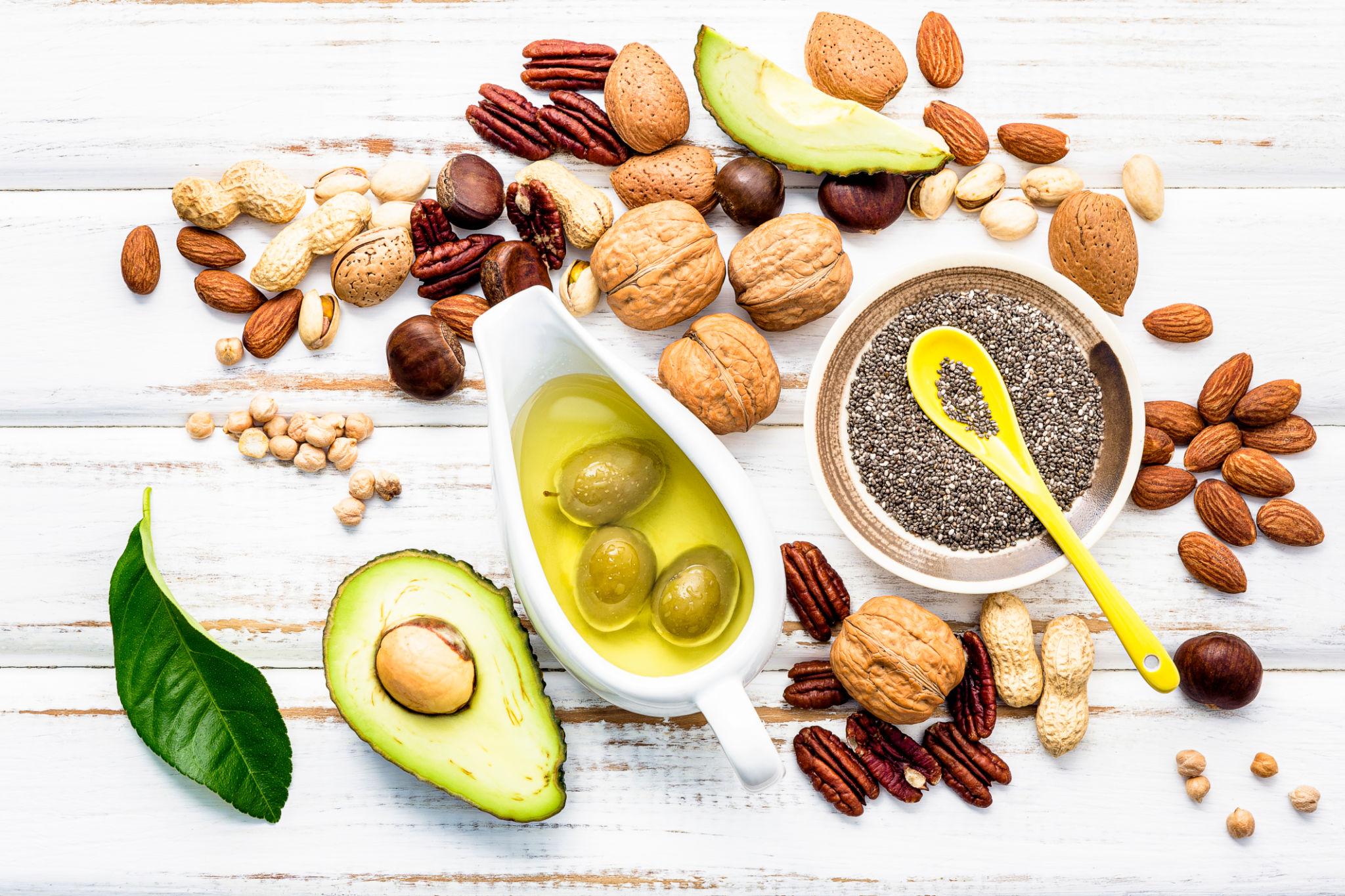
In nutrition and among supporters of a healthy lifestyle, there is a term known as “superfoods.” This word is used to describe low-calorie foods that contain many health-promoting nutrients. According to this definition, most plant oils can confidently be considered superfoods. Yes, they are high in calories, but they are usually consumed in small amounts as an addition to main dishes.
Edible oils can be obtained from many different plants. Their variety continues to grow from year to year, as does the number of studies confirming their beneficial effects on the body. In this overview, we will first discuss the general properties of these products and then look separately at the most common oils that are beneficial for human health.
Which Oils Are the Healthiest?
The foundation of all these products is fat. These are mainly unsaturated fatty acids, which are responsible for many of their health benefits. It is impossible to say that one oil is clearly better than all the others in every way. Several factors must be considered.
First, composition matters. Oils differ in nutritional value. These differences begin with polyunsaturated fatty acids, including omega-3, omega-6, and omega-9. Their ratio can vary, and this is important. For example, omega-3 fatty acids have anti-inflammatory effects, while omega-6 fatty acids can promote inflammation. If omega-6 greatly predominates, it may negatively affect heart and vascular health, as well as overall well-being. In addition to fatty acids, some oils contain vitamins, minerals, and other biologically active compounds that determine their specific beneficial effects.
The smoke point is also important. This refers to the temperature at which beneficial compounds in the oil begin to break down, harmful substances form, and many free radicals are released. If an oil has a low smoke point, it may be suitable as a dressing for prepared dishes, but it is not recommended for frying.
The method of production matters as well. There are several techniques, but cold pressing preserves the greatest number of beneficial properties because the raw product is not heated above 40–45°C.
The degree of processing also affects the oil’s value. Unrefined oils retain more beneficial compounds and have a stronger aroma, although not everyone enjoys the natural smell of some oils, such as sunflower oil. Refined oils are more stable when heated and have a higher smoke point, but some valuable compounds are lost during processing.
Individual tolerance must also be considered. If a person is allergic to a certain type of plant oil, its beneficial properties are irrelevant for that individual.
How Should Oils Be Consumed for Health?
There are many recipes and recommendations, some of them quite unusual. In reality, there is no need to complicate things. All the oils described below are food products used in cooking. Simply including them in meals is enough to receive their health benefits.
Now let’s briefly review the composition and main beneficial properties of some of the most popular plant oils.
Sunflower Oil
At first glance, sunflower oil may seem ordinary rather than unique or especially healthy. It is found in almost every household and is usually seen as a basic cooking ingredient. But as Hippocrates said nearly two and a half thousand years ago, ordinary food can also be medicine.
Sunflower oil contains many beneficial polyunsaturated fatty acids, including omega-3 and omega-6, as well as monounsaturated fatty acids. Because of this, consuming sunflower oil may help reduce “bad” cholesterol and triglycerides in the blood, protecting against atherosclerosis and heart disease. One study showed that regular intake of monounsaturated fatty acids increases levels of “good” cholesterol, or high-density lipoproteins, which also benefits cardiovascular health.
Sunflower oil, like other plant oils, can be refined or unrefined. Unrefined oil has a stronger smell. Which one is better? For many healthy lifestyle supporters, the word “refined” sounds like “unhealthy,” but this is not always true. If you need to fry food, refined oil is preferable because it is more heat-stable and produces fewer harmful compounds. For salads and dressings, unrefined oil is better because it contains more valuable nutrients and retains its aroma.
Olive Oil
Olive oil is one of the key components of the Mediterranean diet and is one reason this diet is considered so beneficial. Its health value comes largely from its high content of monounsaturated fatty acids, especially oleic acid. These compounds reduce levels of low-density lipoproteins, which are atherogenic, and help suppress inflammation. Olive oil also contains compounds believed to have anticancer effects.
Potential benefits of olive oil include reducing the risk of breast cancer, improving bowel regularity in people with constipation, lowering the risk of cardiovascular disease and first heart attack, improving high blood pressure, helping prevent diabetes, and improving blood sugar control in people already diagnosed with diabetes.
Flaxseed Oil
Flaxseed oil also contains unsaturated fatty acids and may reduce the risk of atherosclerosis while supporting heart and vascular health. Some studies have shown that regular consumption of this oil lowers LDL cholesterol and increases HDL cholesterol in blood plasma.
One particular fatty acid in flaxseed oil deserves special attention: alpha-linolenic acid. It is believed to help reduce swelling. Flaxseed oil is also a valuable source of lignans, which have antioxidant properties and help reduce inflammation. A Canadian study published in 2013 found an association between flaxseed oil consumption and a reduced risk of breast cancer.
Corn Oil
The main beneficial components of corn oil are vitamin E, a powerful antioxidant; phytosterols, which are plant-based analogs of cholesterol; and linoleic acid. Together, these compounds may provide anti-inflammatory and antitumor effects and help protect against heart disease. Some studies have shown that corn oil can help lower “bad” LDL cholesterol, an effect linked to phytosterols.
Linoleic acid deserves separate attention. Like all polyunsaturated fatty acids, it supports heart and vascular health. For example, a study involving 300,000 people showed that replacing just 5% of calories from saturated fat with linoleic acid helped reduce the risk of heart attack by 9% and the risk of death from heart disease by 13%.
At the same time, linoleic acid belongs to the omega-6 group of unsaturated fatty acids and has a pro-inflammatory effect. In a healthy diet, the recommended ratio of omega-6 to omega-3 is no more than 4:1. In the average person’s actual diet, it is about 20:1, while in corn oil it is 46:1.
Soybean Oil
One of the main advantages of soybean oil is its high smoke point, which makes it excellent for frying. Like the other healthy plant oils on this list, it contains unsaturated fatty acids that support cardiovascular health. However, soybean oil, like corn oil, is highly refined and contains a high proportion of omega-6 fatty acids. With constant use, it may support chronic inflammation in the body, which over time can increase the risk of obesity and other health problems.
Soybean oil is rich in vitamin K: one tablespoon, or 15 ml, contains 25 mcg, which is about 20% of the daily requirement. This vitamin is necessary not only for normal blood clotting but also for regulating metabolic processes in the bones. Some studies confirm that adequate vitamin K intake helps protect against bone loss and reduces fracture risk.
Walnut Oil
Walnuts are known to support heart health, reduce the risk of diabetes and obesity, improve thinking and memory, and help normalize the intestinal microbiota.
Walnut oil inherits these beneficial properties. It contains omega-3 fatty acids, antioxidants, minerals, protein, fiber, and vitamins C, E, B3, and K. Its high selenium content is especially worth noting. Selenium has antioxidant properties and is necessary for normal thyroid function.
Walnut oil is added to salads and sauces. It can also be used for frying, but strong heating is not recommended because its low smoke point may make it bitter and reduce its beneficial properties.
Pine Nut Oil
About 14–19% of all fatty acids in pine nut oil consist of pinolenic acid, not to be confused with linolenic acid. It is believed that many of this oil’s beneficial properties are primarily associated with this compound.
Potential benefits include anti-inflammatory effects, improved immune cell function, better appetite control, possibly through increased levels of satiety hormones, slower weight gain and fat accumulation, enhanced glucose-dependent insulin secretion, improved tissue sensitivity to insulin, increased activity of antioxidant enzymes in the blood, and reduced lipid peroxidation, which is an indicator of oxidative stress.
Pine nut oil is used raw as a dressing for prepared dishes. It is not recommended for frying.
Peanut Oil
Peanut oil contains many polyunsaturated fatty acids, vitamin E, and phytosterols. It provides the same general health benefits as the oils listed above: it helps reduce LDL cholesterol, lowers the risk of heart disease, and supports glucose normalization in diabetes.
Its high smoke point makes peanut oil suitable for cooking various dishes, although not everyone enjoys its nutty flavor.
Sesame Oil
Sesame oil is very popular in Chinese and Japanese cuisines. In addition to the standard set of beneficial compounds, including omega-3 and omega-6 fatty acids, vitamin E, and phytosterols, it is also rich in the amino acid tyrosine. Tyrosine helps increase serotonin levels in the body, often called the “happiness hormone,” which may help reduce stress and depression.
There are two types of sesame oil. Regular sesame oil is made from raw sesame seeds. It is golden or pale yellow and has a medium smoke point. It can be used for frying, but strong heating is not recommended.
Toasted sesame oil is made from roasted sesame seeds. It is brown with a golden tint and has a low smoke point, so it is not suitable for frying. It is best used as a dressing for prepared dishes.
Canola Oil
Compared with other oils, canola oil has several distinguishing features. It has the lowest level of atherogenic saturated fatty acids. Other oils also contain small amounts, but canola oil contains the least.
It has an optimal omega-6 to omega-3 ratio of about 2:1. It is also versatile: its properties allow it to be used both as a dressing for prepared dishes and for frying or baking.
Canola oil is almost tasteless, making it suitable for people with any taste preference. It is also affordable. Despite its beneficial properties, it costs about half as much as olive oil.
Corn Oil
The main beneficial components of corn oil are vitamin E, a powerful antioxidant; phytosterols, which are plant-based analogs of cholesterol; and linoleic acid. Together, these compounds may provide anti-inflammatory and antitumor effects and help protect against heart disease. Some studies have shown that corn oil can help lower “bad” LDL cholesterol, an effect linked to phytosterols.
Linoleic acid deserves separate attention. Like all polyunsaturated fatty acids, it supports heart and vascular health. For example, a study involving 300,000 people showed that replacing just 5% of calories from saturated fat with linoleic acid helped reduce the risk of heart attack by 9% and the risk of death from heart disease by 13%.
At the same time, linoleic acid belongs to the omega-6 group of unsaturated fatty acids and has a pro-inflammatory effect. In a healthy diet, the recommended ratio of omega-6 to omega-3 is no more than 4:1. In the average person’s actual diet, it is about 20:1, while in corn oil it is 46:1.
Soybean Oil
One of the main advantages of soybean oil is its high smoke point, which makes it excellent for frying. Like the other healthy plant oils on this list, it contains unsaturated fatty acids that support cardiovascular health. However, soybean oil, like corn oil, is highly refined and contains a high proportion of omega-6 fatty acids. With constant use, it may support chronic inflammation in the body, which over time can increase the risk of obesity and other health problems.
Soybean oil is rich in vitamin K: one tablespoon, or 15 ml, contains 25 mcg, which is about 20% of the daily requirement. This vitamin is necessary not only for normal blood clotting but also for regulating metabolic processes in the bones. Some studies confirm that adequate vitamin K intake helps protect against bone loss and reduces fracture risk.
Walnut Oil
Walnuts are known to support heart health, reduce the risk of diabetes and obesity, improve thinking and memory, and help normalize the intestinal microbiota.
Walnut oil inherits these beneficial properties. It contains omega-3 fatty acids, antioxidants, minerals, protein, fiber, and vitamins C, E, B3, and K. Its high selenium content is especially worth noting. Selenium has antioxidant properties and is necessary for normal thyroid function.
Walnut oil is added to salads and sauces. It can also be used for frying, but strong heating is not recommended because its low smoke point may make it bitter and reduce its beneficial properties.
Pine Nut Oil
About 14–19% of all fatty acids in pine nut oil consist of pinolenic acid, not to be confused with linolenic acid. It is believed that many of this oil’s beneficial properties are primarily associated with this compound.
Potential benefits include anti-inflammatory effects, improved immune cell function, better appetite control, possibly through increased levels of satiety hormones, slower weight gain and fat accumulation, enhanced glucose-dependent insulin secretion, improved tissue sensitivity to insulin, increased activity of antioxidant enzymes in the blood, and reduced lipid peroxidation, which is an indicator of oxidative stress.
Pine nut oil is used raw as a dressing for prepared dishes. It is not recommended for frying.
Peanut Oil
Peanut oil contains many polyunsaturated fatty acids, vitamin E, and phytosterols. It provides the same general health benefits as the oils listed above: it helps reduce LDL cholesterol, lowers the risk of heart disease, and supports glucose normalization in diabetes.
Its high smoke point makes peanut oil suitable for cooking various dishes, although not everyone enjoys its nutty flavor.
Sesame Oil
Sesame oil is very popular in Chinese and Japanese cuisines. In addition to the standard set of beneficial compounds, including omega-3 and omega-6 fatty acids, vitamin E, and phytosterols, it is also rich in the amino acid tyrosine. Tyrosine helps increase serotonin levels in the body, often called the “happiness hormone,” which may help reduce stress and depression.
There are two types of sesame oil. Regular sesame oil is made from raw sesame seeds. It is golden or pale yellow and has a medium smoke point. It can be used for frying, but strong heating is not recommended.
Toasted sesame oil is made from roasted sesame seeds. It is brown with a golden tint and has a low smoke point, so it is not suitable for frying. It is best used as a dressing for prepared dishes.
Canola Oil
Compared with other oils, canola oil has several distinguishing features. It has the lowest level of atherogenic saturated fatty acids. Other oils also contain small amounts, but canola oil contains the least.
It has an optimal omega-6 to omega-3 ratio of about 2:1. It is also versatile: its properties allow it to be used both as a dressing for prepared dishes and for frying or baking.
Canola oil is almost tasteless, making it suitable for people with any taste preference. It is also affordable. Despite its beneficial properties, it costs about half as much as olive oil.
Pumpkin Seed Oil
Pumpkin seed oil is beneficial for health because it is a valuable source of monounsaturated and polyunsaturated fatty acids, antioxidants, potassium, magnesium, calcium, iron, zinc, and phosphorus. In addition to lowering “bad” cholesterol and protecting against cardiovascular disease, some studies have found evidence of the following potential benefits: reduced symptoms and improved quality of life in men with benign prostatic hyperplasia, enhanced hair growth, and reduced symptoms of overactive bladder.
People with low blood pressure should use pumpkin seed oil cautiously because it may lower blood pressure even further.
Many people like pumpkin seed oil for its distinctive nutty flavor. It works well as a dressing for salads and many other dishes. One drawback is that it spoils easily, so it must be stored in a cool place away from sunlight.
Avocado Oil
In composition and properties, avocado oil is very similar to olive oil. It is also rich in oleic acid, as well as other unsaturated fatty acids, especially linoleic and linolenic acids. Its omega-6 to omega-3 ratio is about 13:1, which is far from the recommended 2:1 to 4:1, but still much lower than in corn oil.
Avocado oil contains many antioxidants, including carotenoids, tocopherols, which are forms of vitamin E, and phytosterols. Among the carotenoids, lutein deserves special attention. This plant pigment is important for eye health and helps reduce the risk of cataracts and macular degeneration.
Grapeseed Oil
Grapeseed oil began to be produced and used in food relatively recently, but it quickly became popular in many countries. In terms of composition, it is not very different from other oils and contains the same main components: unsaturated fatty acids, vitamin E, and antioxidants. Its proportion of omega-6 fatty acids is quite high.
Oils That Should Be Limited or Avoided
Not all plant oils fit the definition of superfoods, and not all are healthy. Some belong to an unhealthy diet.
Coconut Oil
Coconut oil is a cooking fat. Its main components are saturated fats, which make up about 80–90%. These are primarily lauric acid at 47%, as well as myristic and palmitic acids. Because of this composition, coconut oil cannot be poured into a bottle in the usual sense: at cold and room temperatures, it is solid, like margarine.
Saturated fats increase blood levels of low-density lipoproteins. This raises the risk of atherosclerosis.
Sometimes coconut oil is described as beneficial, supposedly helping with weight loss and preventing dementia. These claims should be treated with caution. First, more scientific research is needed to obtain reliable evidence. Second, many studies behind such conclusions used coconut oil with a special composition that cannot be bought in a regular store.
Partially Hydrogenated Oils
In simple terms, partially hydrogenated oils are oils enriched with trans isomers of fatty acids, or trans fats, to give them a soft, buttery consistency. Initially, they were considered less harmful than oils containing saturated fatty acids. Later, however, it became clear that trans fats are even worse. They simultaneously increase LDL, or “bad” cholesterol, and reduce HDL, or “good” cholesterol. This raises the risk of cardiovascular disease, type 2 diabetes, and stroke.
A 2016 study showed that when hydrogenated oils are heated to 80–100°C, their trans fat content increases even more.
Palm Oil
Palm oil has the same issue as coconut oil. Together, they are known as “tropical plant oils” and have gained a bad reputation because of their high saturated fat content. However, palm oil contains less saturated fat than coconut oil and butter, about 50%. Because of this, it has a semi-liquid rather than solid consistency at room temperature. It can also be processed into liquid form.
Overall, when comparing unhealthy oils, palm oil is the lesser evil. It is certainly much safer than hydrogenated oils containing trans fats.
Top Takeaways…
Today, there are many varieties of plant oils. Most of them are approximately equally beneficial.
The main components responsible for the health benefits of oils are monounsaturated and polyunsaturated fatty acids, vitamin E, phytosterols, and other antioxidants.
The general benefits of these products include lowering “bad” cholesterol in the blood and reducing the risk of atherosclerosis and heart disease.
Depending on their composition, certain oils may also have additional positive effects. However, not all of these effects have been reliably proven in scientific studies.
In addition to the plant source of the oil, its health benefits depend on the method of production and processing, smoke point, and omega-6 to omega-3 ratio.
Among all these products, olive oil is traditionally considered the healthiest. However, other oils are very similar to it in composition and properties, such as avocado oil.
How oils are used is also important: some are better suited for dressing prepared dishes, while others are better for frying or baking. Not all oils are equally suitable for both purposes.
There is no need to consume oils in any special way for health benefits. It is enough to add them to food.
Unhealthy products include “tropical” oils such as coconut and palm oil. They increase the risk of heart disease and diabetes because of their high saturated fat content.
Partially hydrogenated oils containing trans fats are even more harmful to health.
Which cooking oil is a staple in your kitchen—and did you know that choosing the right oil can have a significant impact on your heart health, cholesterol levels, and overall well-being?



Nikole
Senior Editor Nikole has worked as an editor for a newspaper company and brings a strong eye for detail, storytelling, and clear communication. She is passionate about a natural, healthy lifestyle and enjoys learning about plants, wellness, and simple ways to live in harmony with nature. Through her interests and experience, she hopes to share helpful, inspiring, and easy-to-understand content with readers.Related Posts

Castor Oil Benefits, Uses, Dosage, Side Effects, and Safety
July 13, 2026
Castor oil offers benefits for constipation, hair, skin, nails, and joint care. Learn how to use it safely, understand the correct dosage, and avoid potential side effects, interactions, and contraindications....

Vegetable Fats: Types, Benefits, Uses, and Health Risks
July 7, 2026
Vegetable fats are found in many everyday foods and cosmetic products, from coffee creamers and chocolate to creams and lotions. This article explains what vegetable fats are, their main types,...

How to Use Essential Oils Safely
July 1, 2026
Essential oils are concentrated plant extracts known for their strong aromas and natural active compounds. From relaxation and skincare to home fragrance and aromatherapy, here is how essential oils work,...
Leave a Comment