
No products in cart

Cold or Sore Throat? The Best Remedies to Help You Feel Better Faster
A cold or sore throat can quickly disrupt your daily routine. Whether you’re struggling to stay productive at work or trying to get some much-needed rest, finding relief is often your top priority. The good news is that a combination of simple home remedies, over-the-counter medications, and healthy habits can help ease symptoms and support your recovery.
Understanding Common Cold Symptoms
Before choosing a treatment, it’s helpful to recognize the symptoms of a common cold. These often include a runny or stuffy nose, sore throat, cough, sneezing, body aches, fatigue, and general discomfort. Identifying symptoms early can help you take action before they worsen.
Natural Remedies That Can Help
Many natural remedies have been used for generations to ease cold symptoms and provide comfort during recovery. One of the most popular options is honey and lemon. Honey naturally soothes an irritated throat, while lemon adds vitamin C and a refreshing flavor. Mixing a tablespoon of honey and a tablespoon of lemon juice into warm water creates a comforting drink that may help reduce coughing and throat irritation. Herbal teas are another excellent choice. Chamomile, peppermint, and ginger tea can soothe a sore throat while keeping you hydrated. Staying hydrated is essential when your body is fighting an infection.
If nasal congestion is making it difficult to breathe, steam inhalation can provide relief. Breathing in warm steam helps loosen mucus and open the nasal passages, making it easier to breathe comfortably. A simple saltwater gargle can also work wonders for a sore throat. Dissolve half a teaspoon of salt in a glass of warm water and gargle several times a day. This may help reduce swelling and ease irritation.
Over-the-Counter Treatments
Sometimes natural remedies aren’t enough, and over-the-counter medications can provide additional symptom relief. Decongestants help reduce nasal congestion by shrinking swollen blood vessels in the nasal passages. If a persistent cough is keeping you awake at night, a cough suppressant may help calm the urge to cough and improve sleep quality. For fever, headaches, and body aches, common pain relievers such as ibuprofen or acetaminophen can make you feel more comfortable while your body recovers.
What About Cold Sores?
Cold sores, caused by the herpes simplex virus, can be painful and frustrating. Fortunately, several remedies may help reduce discomfort and speed healing. Aloe vera gel is known for its soothing properties and may help reduce pain when applied directly to the affected area. Some people also find that lysine supplements help reduce the frequency and severity of outbreaks. Over-the-counter antiviral creams can also shorten healing time, especially when used at the first sign of a developing cold sore.
How to Prevent a Cold
While treating symptoms is important, prevention remains the best strategy. Good hand hygiene is one of the most effective ways to avoid getting sick. Wash your hands frequently with soap and water or use hand sanitizer when soap isn’t available. Eating a balanced diet rich in fruits, vegetables, and whole grains can support a healthy immune system. Foods high in vitamin C, such as oranges, strawberries, and bell peppers, may be particularly beneficial. It’s also important to stay hydrated by drinking plenty of water throughout the day. Proper hydration supports immune function and helps your body recover more efficiently. Finally, never underestimate the power of quality sleep. Adults should aim for seven to nine hours of sleep each night to help their immune systems function at their best.
Herbal Remedies Worth Considering
Several herbs are commonly used to support immune health during cold season. Echinacea may help shorten the duration of a cold and is available as tea, capsules, or tinctures. Elderberry has become increasingly popular for its potential immune-supporting benefits and may help reduce the severity of cold symptoms. Garlic contains natural antimicrobial compounds and can be a helpful addition to your diet during illness.
Final Thoughts
Recovering from a cold or sore throat doesn’t have to be complicated. By combining natural remedies, appropriate medications, and healthy lifestyle habits, you can ease symptoms and support your body’s healing process. Remember that most colds improve within 7 to 10 days. However, if symptoms persist, worsen, or are accompanied by a high fever, difficulty swallowing, or ear pain, it’s best to consult a healthcare professional. Taking care of yourself, staying hydrated, and giving your body the rest it needs can make all the difference in getting back to feeling your best.
What’s your go-to remedy when a cold or sore throat strikes—do you swear by natural treatments, over-the-counter medicines, or a combination of both?



Lia
Founder & Editor Lia is a biologist with many years of research experience and a deep love for natural medicine. She is passionate about natural remedies, healthy living, and simple ways to support the body through nature. Eager to share her knowledge, Lia enjoys offering helpful lifestyle tips, wellness tricks, natural recipes passed down through generations, and inspiring ideas for living a healthier and more balanced life.Related Posts

Could a Hidden Infection Be Affecting Fertility and Reproductive Health?
June 24, 2026
A hidden infection can sometimes affect reproductive health without causing obvious symptoms. From chronic inflammation to changes in the reproductive tract, untreated infections may play a role in fertility challenges...
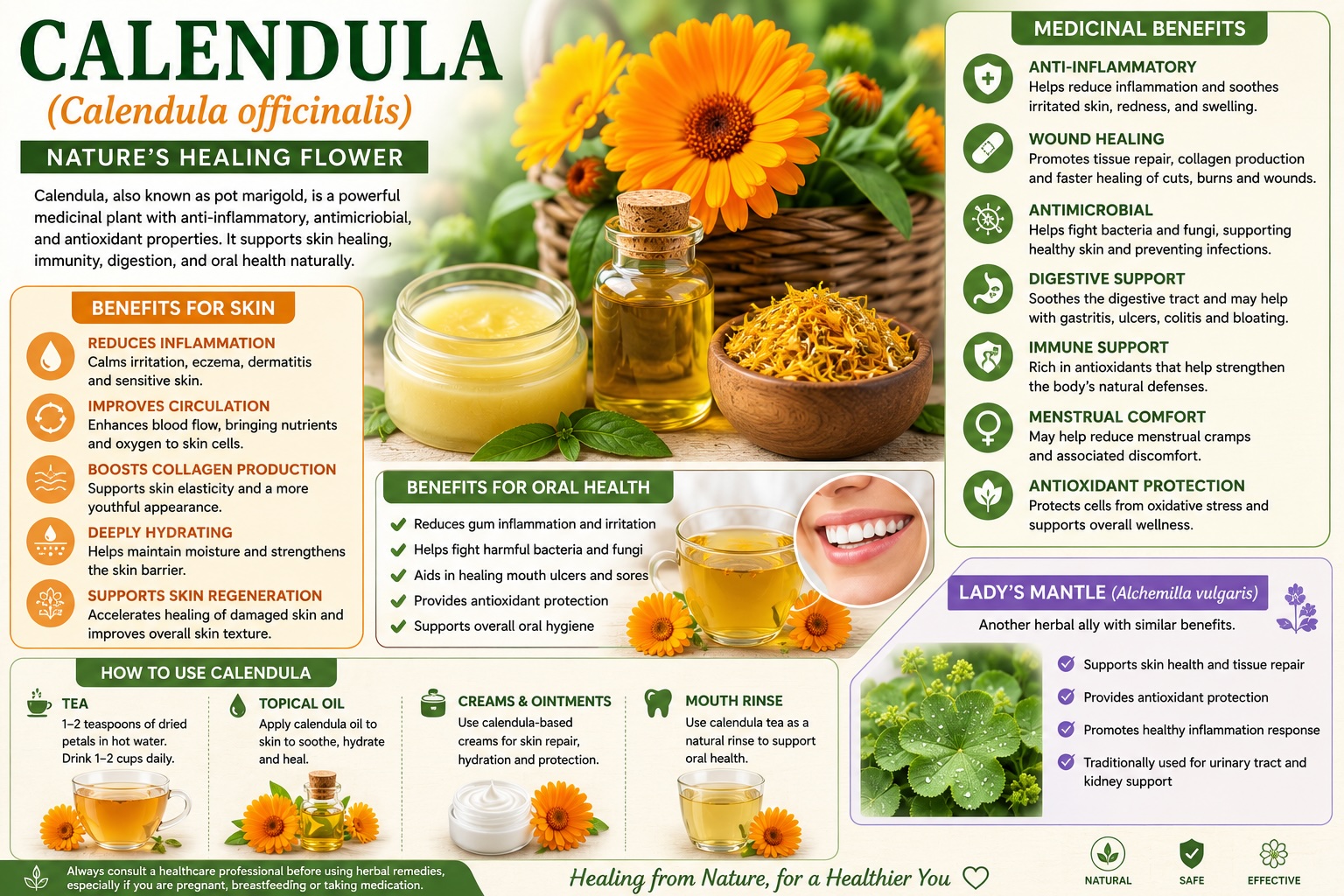
Calendula Benefits for Skin, Immunity, and Oral Health: A Complete Guide
June 23, 2026
Calendula is a bright, healing flower known for its soothing, antioxidant-rich properties. From calming irritated skin to supporting the body’s natural immune defenses and promoting oral comfort, calendula has been...

Simple Ways to Ease Gum Pain Naturally
June 23, 2026
Experiencing sore or swollen gums? Learn the most common causes of gum pain, simple home remedies that can provide relief, and the warning signs that mean it's time to see...
Leave a Comment