
No products in cart

How to Treat a Sore Throat at Home: Causes, Remedies, and When to Seek Medical Help
A sore throat is one of the most common symptoms associated with illnesses affecting the upper respiratory tract. Whether it’s a mild scratchy sensation or severe pain when swallowing, throat discomfort can interfere with everyday activities and significantly impact your quality of life.
Pain is your body’s natural warning system. When your throat hurts, it’s often a sign of inflammation, irritation, or infection affecting the tissues lining your throat. Understanding the underlying cause is the first step toward finding the right treatment.
Common Causes of a Sore Throat
The most frequent cause of throat pain is a viral infection, such as the common cold or flu. Viral infections often cause symptoms like dryness, irritation, coughing, a runny nose, fatigue, and general discomfort. Even without a fever, many people experience weakness and disrupted sleep.
Another common condition is pharyngitis, an inflammation of the throat lining. This can cause persistent irritation, frequent throat clearing, and discomfort that worsens over time if left untreated.
Tonsillitis, commonly referred to as strep throat when caused by streptococcal bacteria, is another major cause of severe throat pain. Symptoms often include fever, swollen lymph nodes, difficulty swallowing, and visible inflammation of the tonsils.
More serious conditions, such as infectious mononucleosis, peritonsillar abscesses, fungal infections, scarlet fever, or even certain sexually transmitted infections, may also cause throat pain and require professional medical evaluation.
Not all sore throats are caused by infections. Non-infectious triggers include smoking, exposure to polluted air, allergies, acid reflux, consuming very cold drinks, dry indoor air, or irritation caused by spicy foods. In some cases, throat pain may result from minor injuries caused by swallowing sharp foods or foreign objects.
When Should You See a Doctor?
Mild throat irritation can often be managed at home. However, if symptoms persist or worsen, medical attention may be necessary. You should contact a healthcare provider if:
- Your sore throat lasts longer than three days
- You develop a fever
- Swallowing becomes difficult
- Opening your mouth becomes painful
- You notice swollen lymph nodes
- A skin rash appears
- Your throat pain becomes recurrent or chronic
One important rule: never take antibiotics without a doctor’s recommendation. Many sore throats are caused by viruses, and antibiotics are ineffective against viral infections. Unnecessary antibiotic use can contribute to resistance and may weaken your body’s natural defenses.
Medical Treatments for a Sore Throat
The best treatment depends on the underlying cause. Doctors may prescribe:
- Antibiotics for confirmed bacterial infections
- Antiseptic mouth rinses to reduce bacterial growth
- Anti-inflammatory medications to relieve pain and swelling
- Antihistamines if allergies are causing symptoms
- Vitamin supplements if deficiencies contribute to discomfort
- Acid-reducing medications for throat irritation caused by acid reflux
In some cases, supportive treatments such as inhalation therapy, laser therapy, or other physical therapies may also be recommended.
How to Treat a Sore Throat at Home
If your sore throat is caused by a mild cold or irritation, several simple home remedies may help relieve symptoms.
Stay Hydrated
Warm fluids are often the most soothing. Sip herbal teas, warm water with honey, warm broth, or plain warm water throughout the day. Avoid extremely hot beverages, which may further irritate inflamed tissues.
Gargle with Salt Water
A warm saltwater gargle remains one of the simplest and most effective home remedies. Dissolve half a teaspoon of salt in a glass of warm water and gargle several times daily to help reduce inflammation and discomfort.
Use Steam Inhalation
Breathing warm steam may help loosen mucus and reduce throat irritation, particularly if nasal congestion is contributing to your symptoms.
Rest and Recover
Giving your body time to heal is essential. Adequate sleep and reduced physical activity allow your immune system to focus on fighting the infection.
Natural Remedies for Throat Pain
Many people find relief through traditional herbal remedies. Herbal teas and gargles made with chamomile, calendula, eucalyptus, linden flower, or succession herb have long been used to soothe throat irritation and support recovery. Warm broths, fruit drinks, and homemade compotes can also provide hydration and comfort while supplying important nutrients. However, if symptoms continue for more than a few days despite home treatment, consult a healthcare professional.
Treating a Child’s Sore Throat at Home
When caring for a child with a sore throat, creating a comfortable environment is just as important as symptom management. Keep the room well-ventilated, maintain humidity levels above 40%, and avoid overly warm temperatures. Encourage your child to drink plenty of fluids and avoid spicy, fried, or heavily seasoned foods that may worsen irritation. Saltwater gargles or mild herbal rinses may be helpful for older children who can gargle safely.
Parents should avoid home treatments such as alcohol-based throat applications, iodine treatments, kerosene remedies, or attempting to remove throat coatings manually. These methods can be harmful and potentially dangerous. If a child’s symptoms do not improve within a few days, seek medical advice promptly.
Can Pregnant Women Treat a Sore Throat at Home?
During pregnancy, self-treatment should be approached with caution.
Any medication—including herbal remedies and supplements—should be discussed with a healthcare provider before use. Certain antibiotics, anti-inflammatory drugs, and herbal preparations may not be safe during pregnancy.
Simple measures such as staying hydrated, using saline-based throat sprays, and gargling with salt water are generally considered safer options, but individual medical advice is always recommended.
So …
A sore throat can result from many different causes, ranging from a simple cold to more serious infections or underlying health conditions. While home remedies can provide effective relief for mild cases, persistent, severe, or worsening symptoms should never be ignored.
Knowing when to treat symptoms at home and when to seek professional care can help prevent complications and support a faster recovery. Listening to your body and acting early is often the best way to protect your health and get back to feeling your best.
When you start feeling a sore throat coming on, what’s the first remedy you reach for—and has it actually worked for you?



Lia
Founder & Editor Lia is a biologist with many years of research experience and a deep love for natural medicine. She is passionate about natural remedies, healthy living, and simple ways to support the body through nature. Eager to share her knowledge, Lia enjoys offering helpful lifestyle tips, wellness tricks, natural recipes passed down through generations, and inspiring ideas for living a healthier and more balanced life.Related Posts

Could a Hidden Infection Be Affecting Fertility and Reproductive Health?
June 24, 2026
A hidden infection can sometimes affect reproductive health without causing obvious symptoms. From chronic inflammation to changes in the reproductive tract, untreated infections may play a role in fertility challenges...
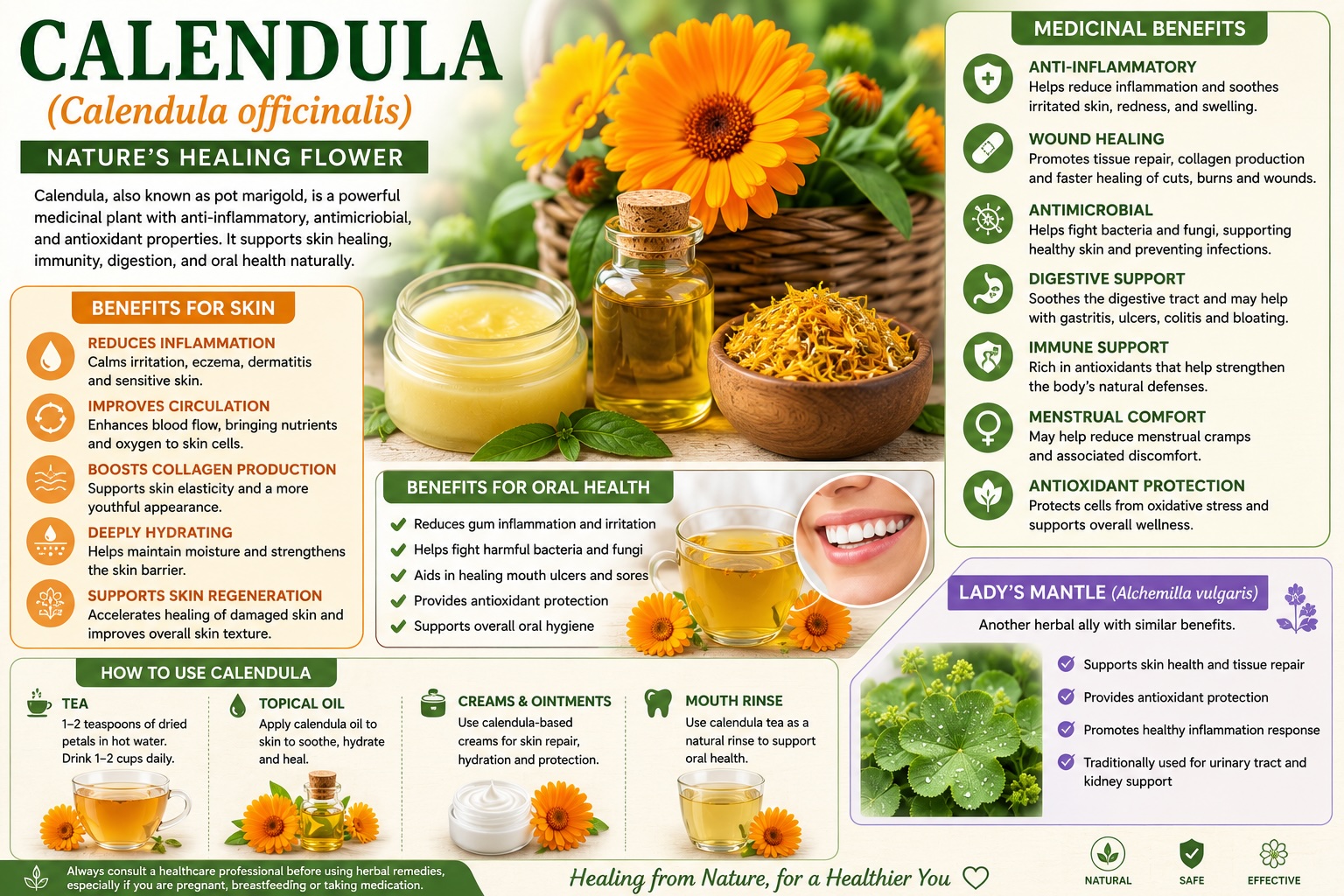
Calendula Benefits for Skin, Immunity, and Oral Health: A Complete Guide
June 23, 2026
Calendula is a bright, healing flower known for its soothing, antioxidant-rich properties. From calming irritated skin to supporting the body’s natural immune defenses and promoting oral comfort, calendula has been...

Simple Ways to Ease Gum Pain Naturally
June 23, 2026
Experiencing sore or swollen gums? Learn the most common causes of gum pain, simple home remedies that can provide relief, and the warning signs that mean it's time to see...
Leave a Comment