
No products in cart
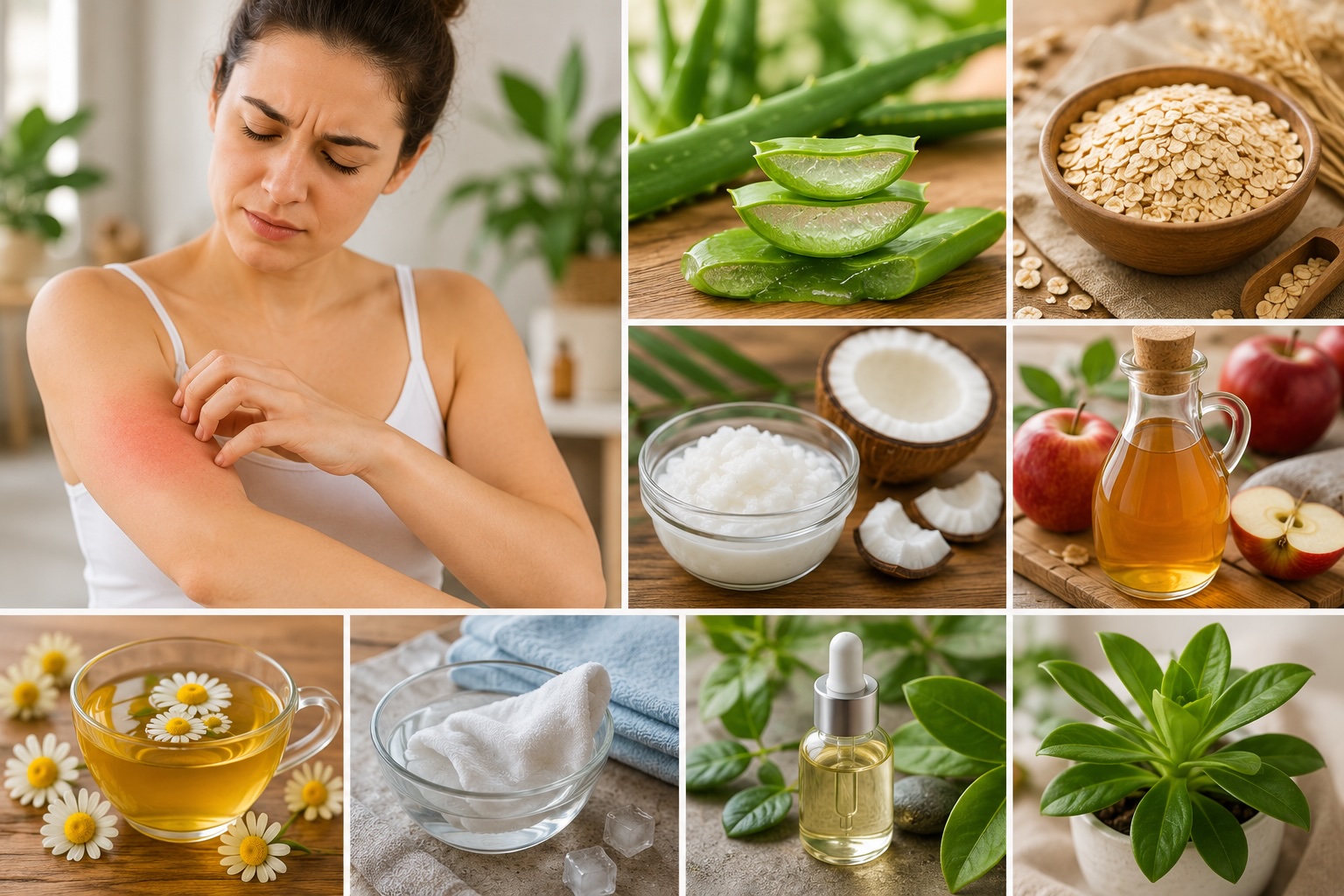
Itchy skin can be incredibly frustrating. Whether it’s a mild irritation or a persistent urge to scratch, skin itching can interfere with sleep, concentration, and overall comfort. While occasional itching is common, ongoing irritation may signal an underlying skin condition, allergy, or health issue.
The good news is that many cases of itchy skin can be relieved with simple home remedies and lifestyle adjustments. Understanding the cause is the first step toward finding the right solution.
Why Does Skin Become Itchy?
There are many possible reasons for skin irritation and itching. Some causes are temporary and harmless, while others may require medical attention.
Skin Conditions
Common skin disorders such as eczema, psoriasis, dermatitis, and fungal infections frequently cause itching. Dry skin is another major culprit, particularly during colder months when humidity levels drop. Maintaining good skincare habits and proper hydration can help prevent many skin-related causes of itching.
Allergic Reactions
Skin allergies can develop after exposure to insect bites, pollen, certain foods, cosmetics, detergents, or household chemicals. Some people also experience irritation from metals such as nickel, commonly found in jewelry, belt buckles, watches, and accessories. Allergic reactions often trigger redness, irritation, and an intense desire to scratch the affected area.
Nerve-Related Conditions
Not all itching originates from the skin itself. Conditions affecting the nervous system, including shingles and pinched nerves, can cause itching without any visible rash or skin changes.
Medical Conditions and Aging
Certain health conditions, including liver disease, kidney disease, anemia, and some cancers, may contribute to persistent itching. As we age, our skin naturally becomes thinner and drier, making itching more common among older adults.
Environmental Factors
Exposure to heat, saltwater, chlorine, harsh weather, or irritating plants such as poison ivy can also trigger skin irritation and itching.
15 Natural Home Remedies for Itchy Skin
1. Essential Oils
Lavender, peppermint, eucalyptus, and chamomile essential oils contain natural anti-inflammatory properties. When diluted with a carrier oil or moisturizer, they can provide a soothing, cooling sensation that helps calm irritated skin.
2. Moisturizers and Cold Creams
Dry skin is one of the most common causes of itching. Applying a rich moisturizer or cooling cream helps restore the skin barrier, reduce dryness, and relieve irritation.
3. Calamine Lotion
Calamine lotion remains a trusted remedy recommended by dermatologists for relieving itchy, irritated skin caused by allergies, insect bites, and minor rashes.
4. Stress Management
Stress and anxiety can worsen skin conditions and intensify itching. Relaxation techniques such as meditation, deep breathing, and mindfulness may help reduce flare-ups and improve overall skin comfort.
5. Baking Soda
A baking soda bath may help soothe irritated skin. Alternatively, a simple paste made from baking soda and water can be applied directly to itchy areas for temporary relief.
6. Aloe Vera
Known for its cooling and soothing properties, aloe vera gel can provide immediate comfort for irritated, inflamed, or sunburned skin.
7. Cold Compresses
Applying a cold compress or ice pack wrapped in a soft cloth can quickly reduce inflammation, numb irritation, and provide fast relief from itching.
8. Apple Cider Vinegar
Diluted apple cider vinegar may help soothe an itchy scalp and support scalp health. Always dilute it with water before applying to the skin.
9. Over-the-Counter Anti-Itch Creams
Topical creams containing menthol or pramoxine can temporarily relieve itching and inflammation.
10. Sandalwood Paste
Sandalwood’s cooling properties have made it a popular traditional remedy for calming irritated skin and reducing discomfort.
11. Oatmeal Baths
Colloidal oatmeal is widely recognized for its ability to soothe itchy, inflamed skin. Soaking in an oatmeal bath for 15 to 20 minutes may provide significant relief.
12. Epsom Salt Baths
Epsom salt baths can help relax both the body and mind while easing mild skin irritation. Use pure, fragrance-free Epsom salt for the best results.
13. Cool Showers
If heat is causing your skin irritation, a cool shower can instantly lower skin temperature and calm inflammation.
14. Neem Powder
Neem is known for its antibacterial, antifungal, and anti-inflammatory properties. A paste made from neem powder and water may help soothe irritated skin.
15. Talcum Powder or Deodorant
For people whose itching is triggered by sweating, keeping moisture-prone areas dry can help reduce irritation and prevent infections that contribute to itching.
When Should You See a Doctor?
While mild itching often responds well to home remedies, some symptoms should never be ignored. Contact a healthcare professional if:
- Itching persists for more than a week
- Home remedies provide little or no relief
- Redness, swelling, bumps, or rashes develop
- Open sores or fluid-filled lesions appear
- The itching affects your entire body
- Symptoms interfere with sleep or daily activities
A doctor may recommend antihistamines, prescription creams, or additional testing to identify the underlying cause.
Final Thoughts
Itchy skin is a common problem that can stem from allergies, skin conditions, environmental triggers, or underlying health issues. Fortunately, many natural remedies can provide quick and effective relief. However, persistent or worsening symptoms should always be evaluated by a healthcare professional. Early treatment can help prevent complications and ensure your skin stays healthy, comfortable, and irritation-free.
What’s your go-to remedy for itchy or irritated skin—and has it ever worked better than you expected?



Lia
Founder & Editor Lia is a biologist with many years of research experience and a deep love for natural medicine. She is passionate about natural remedies, healthy living, and simple ways to support the body through nature. Eager to share her knowledge, Lia enjoys offering helpful lifestyle tips, wellness tricks, natural recipes passed down through generations, and inspiring ideas for living a healthier and more balanced life.Related Posts

Castor Oil for Skin and Hair: Benefits, Uses, and Safety Tips
July 13, 2026
Discover the benefits of castor oil for skin and hair, including how it may moisturize dry skin, soften hair, reduce scalp dryness, and improve shine. Learn how to use it...

Natural Facial Skincare Routine for Every Age
July 10, 2026
Learn how to create a natural facial skincare routine with daily cleansing, moisturizing, sun protection, homemade masks, botanical oils, and age-appropriate skincare tips....
Peptides for Skin and Health: Benefits, Foods, and Uses
July 9, 2026
Peptides support skin repair, collagen production, hormone balance, and cell renewal. Learn how peptide skincare works and which foods help your body produce peptides naturally....
Leave a Comment