
No products in cart
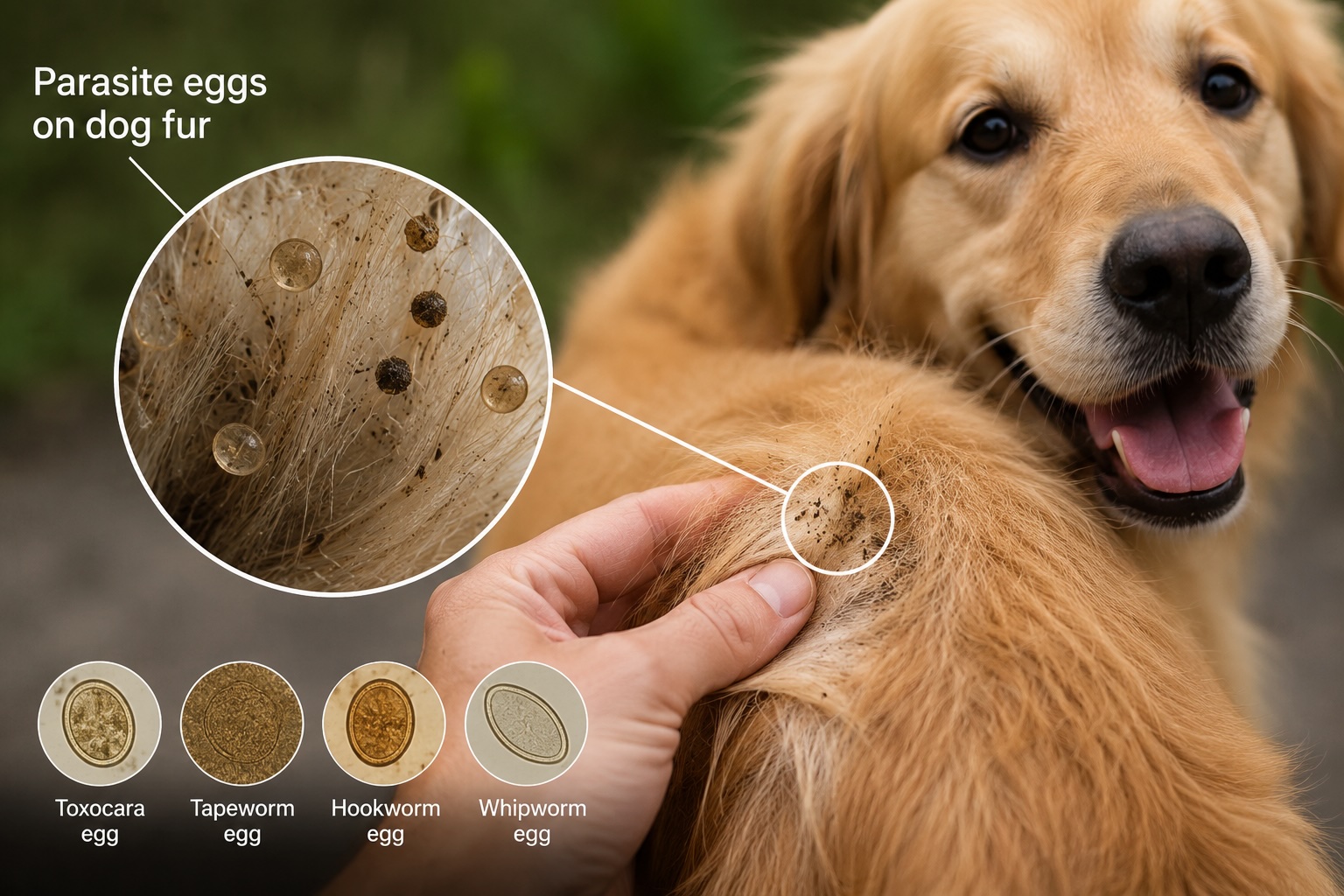
Most dog owners are aware that regular deworming is an important part of pet care. However, when it comes to dog parasites and human health, many people are surprised to learn that parasite eggs can be brought into the home on a dog’s paws, fur, and even on the shoes of family members after spending time outdoors. Understanding the connection between dogs, parasites, zoonotic diseases, pet health, and human health is essential for reducing the risk of exposure and protecting both pets and their families.
For example, one study investigated the presence of worm eggs on dogs’ paws, on the footwear of dog owners after walks, and on the shoes of people who did not own dogs. Researchers found Toxocara (roundworm) eggs in samples collected from dogs’ paws as well as in samples taken from their owners’ shoes. Furthermore, the number of eggs found on dogs’ paws was approximately twice as high as the number found on their owners’ footwear. In contrast, no worm eggs were detected on the shoes of people who did not own dogs.
These findings suggest that parasite eggs can be carried into homes from contaminated soil, potentially increasing exposure for both pets and people. As a result, even dogs that show no visible signs of infection may unknowingly transport parasite eggs on their paws after spending time outdoors.
Which Parasites Can Affect Humans?
Not all parasites that infect dogs can survive in the human body. However, some species are capable of causing disease in people. Examples include:
- Toxocara (roundworms) – Larvae can migrate through organs and tissues, including the liver, eyes, brain, and nervous system.
- Echinococcus (tapeworms) – Can form cysts in organs such as the liver and lungs.
- Alveococcus – May invade soft tissues and cause progressive disease.
- Flea tapeworm (Dipylidium caninum) – Can occasionally infect humans, particularly children who accidentally ingest infected fleas.
Among these parasites, Toxocara is one of the most widely studied because of its potential impact on human health. Specifically, infection in people, known as toxocariasis, occurs when microscopic eggs are accidentally swallowed. Moreover, young children are considered particularly vulnerable because of frequent hand-to-mouth contact.
Even a small number of larvae can cause health problems. In some cases, larvae migrate to the eyes, leading to ocular toxocariasis, a condition that can affect vision.
How Can Transmission Occur?
People do not usually become infected directly from a dog’s feces. Instead, infection most often occurs through contact with parasite eggs that have contaminated soil, surfaces, fur, paws, or objects in the environment. Potential routes of exposure include:
- Handling a dog and then eating without washing hands
- Cleaning up after pets
- Contact with contaminated soil during walks or outdoor activities
- Touching contaminated paws, fur, bedding, toys, or food bowls
- Children playing in areas where parasite eggs may be present
Interestingly, in the study mentioned above, none of the dogs whose paw samples contained parasite eggs had eggs detected in their feces. Therefore, this suggests that the eggs found on their paws came from the environment rather than being shed directly by the dogs themselves.
In addition, researchers believe that dogs can become infected by licking contaminated paws after walks. Although repeated exposure to small numbers of parasite eggs may occur without obvious symptoms, it can still result in infection over time. Consequently, infected female dogs may pass certain parasites to their puppies during pregnancy or through nursing.
Signs of Possible Infection
Parasitic infections can affect both animals and humans. In many cases, symptoms may be mild or absent, particularly during the early stages. Possible signs include:
- Persistent cough or breathing difficulties
- Fatigue
- Pale skin
- Allergic skin reactions or rashes
- Digestive upset, including vomiting, diarrhea, or constipation
- Unexplained weight loss
Because these symptoms can resemble many other conditions, diagnosis typically requires veterinary or medical testing.
Reducing the Risk
Fortunately, the risk of parasite transmission can be significantly reduced through routine preventive care and good hygiene practices. Pet owners should:
- Follow their veterinarian’s recommendations for regular parasite prevention and deworming.
- Wash their dog’s paws after walks.
- Bathe and groom their dog regularly.
- Keep nails trimmed and maintain good dental hygiene.
- Prevent dogs from scavenging or eating unknown materials outdoors.
- Wash hands thoroughly after handling pets.
- Clean household surfaces regularly.
- Keep pets away from children’s toys.
- Wear gloves when cleaning up after pets or handling waste.
While the possibility of parasite transmission should be taken seriously, it is important to keep the risk in perspective. After all, most infections can be prevented through routine veterinary care, proper hygiene, and responsible pet ownership. By taking these simple precautions, families can enjoy the companionship of their dogs while minimizing the risk of parasite-related diseases.
What steps do you take to keep your dog—and your family—protected from parasites?



Lia
Founder & Editor Lia is a biologist with many years of research experience and a deep love for natural medicine. She is passionate about natural remedies, healthy living, and simple ways to support the body through nature. Eager to share her knowledge, Lia enjoys offering helpful lifestyle tips, wellness tricks, natural recipes passed down through generations, and inspiring ideas for living a healthier and more balanced life.Related Posts
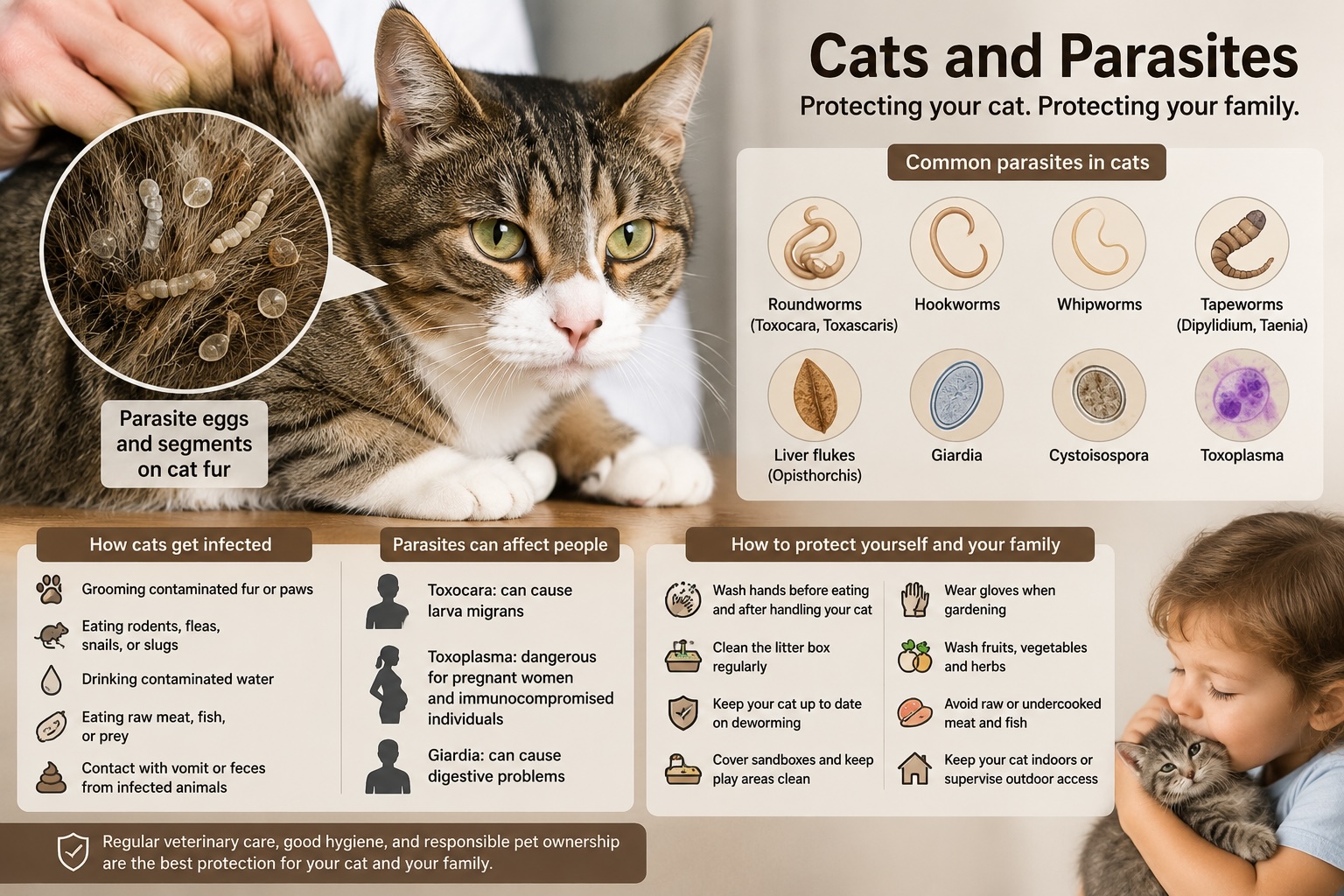
Cats and Parasites: What Every Cat Owner Should Know
June 22, 2026
Cats can be exposed to parasites both indoors and outdoors, and some infections may not show obvious signs at first. From fleas and ticks to worms and microscopic parasites, these...
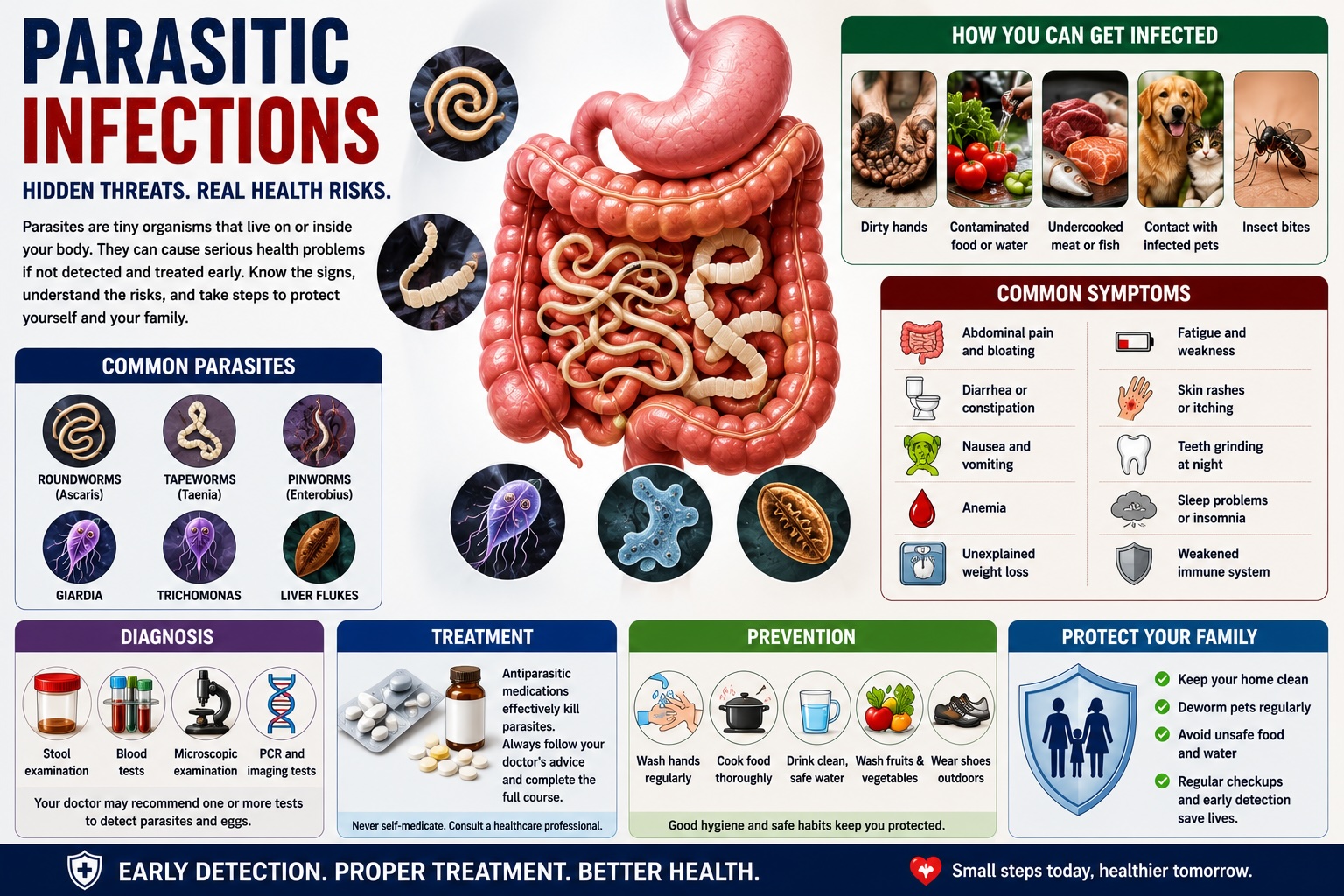
Best Foods That Kill Parasites and Worms
June 22, 2026
Intestinal worms and parasites can enter the body through contaminated food, water, or poor hygiene practices, leading to digestive discomfort and other health issues. Fortunately, certain natural foods may help...
How to Do a Parasite Cleanse Safely
June 22, 2026
A parasite cleanse should be approached carefully, with safety and proper medical guidance as the top priority. While natural remedies and diet changes are often discussed, not every cleanse is...
Leave a Comment