
No products in cart
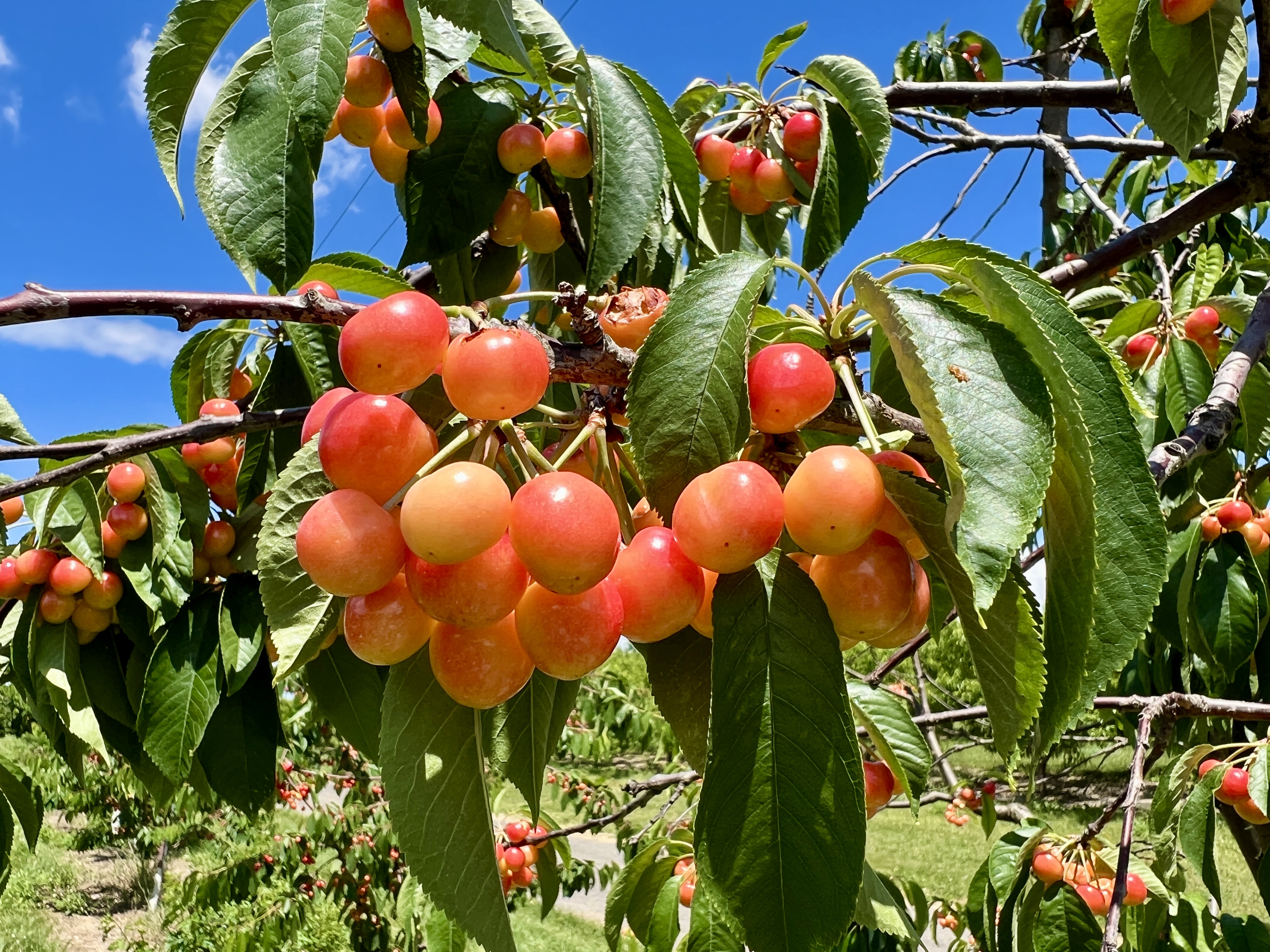
Table of contents
- Why the Glycemic Index Matters for Fruits and Diabetes
- Can People with Diabetes Eat Fruit?
- Best Fruits for Diabetes
- Grapefruit for Diabetes
- Oranges and Citrus Fruits
- Apples for Diabetes
- Pears for Diabetes
- Berries for Diabetes
- Strawberries
- Blueberries
- Cherries
- Kiwi for Diabetes
- Peaches and Plums
- Avocado: The Low-GI Fruit
- Fruits to Limit with Diabetes
- What About Mango and Other Sweet Fruits?
- Whole Fruits Are Better Than Fruit Juice
- Are Unsweetened Juices Better?
- Dried Fruits and Diabetes
- How Much Fruit Is Safe with Diabetes?
- Simple Tips for Eating Fruits with Diabetes
- Final Thoughts on Fruits and Diabetes
When it comes to fruits and diabetes, many people feel confused. Fruit is natural, full of vitamins, and rich in fiber, but it also contains sugar. So, can people with diabetes eat fruit? The answer is usually yes — but the type of fruit, portion size, and overall meal plan matter.
Instead of completely avoiding fruit, it is better to understand how different fruits affect blood sugar and how to enjoy them in a balanced way.
Why the Glycemic Index Matters for Fruits and Diabetes
One important thing to consider when choosing fruit is the glycemic index, also known as GI. The glycemic index shows how quickly a food can raise blood sugar levels after eating. Foods with a low GI are digested and absorbed more slowly, which means they usually cause a slower rise in blood sugar. Foods with a high GI can raise blood sugar more quickly.
In general: Low GI foods are usually better choices for people with diabetes. Medium GI foods may still be included in moderation. High GI foods should be limited or eaten carefully, depending on your personal health plan. However, GI is not the only thing that matters. Portion size, ripeness, fiber content, and what you eat with the fruit can also affect blood sugar.
Can People with Diabetes Eat Fruit?
Yes, many people with diabetes can include fruit in their diet. Fruit contains important nutrients such as vitamins, minerals, antioxidants, and fiber. Fiber is especially helpful because it slows sugar absorption and supports digestion. However, every person is different. People with type 1 diabetes may need to calculate carbohydrates carefully and adjust insulin as recommended by their doctor. People with type 2 diabetes may need to pay closer attention to fast carbohydrates, portion sizes, and overall calorie intake.
The most important rule is balance. Fruits can be part of a healthy diabetes-friendly diet, but they should be chosen wisely and eaten in moderate amounts.
Best Fruits for Diabetes
Some fruits are especially good options because they are rich in fiber, antioxidants, and nutrients while having a low or moderate glycemic index.
Grapefruit for Diabetes
Grapefruit is often considered one of the better fruits for diabetes because it has a low glycemic index and contains vitamin C, fiber, and beneficial plant compounds. It also contains naringenin, a compound that may support insulin sensitivity and healthy cholesterol levels. However, grapefruit can interact with some medications, so anyone taking prescription medicine should ask a healthcare provider before eating it regularly.
Oranges and Citrus Fruits
Oranges, mandarins, limes, and other citrus fruits can be refreshing, sweet, and nutrient-rich choices. Oranges contain vitamin C, beta-carotene, lutein, folate, potassium, and soluble fiber. The fiber in whole oranges helps slow sugar absorption, which makes whole fruit a better choice than orange juice. Citrus fruits may also support heart health, immune function, and healthy blood pressure.
Apples for Diabetes
Apples are one of the easiest fruits to include in a diabetes-friendly diet. They contain soluble fiber, vitamin C, antioxidants, and pectin. Pectin supports digestion and may help the body manage cholesterol and blood sugar more steadily. For the best effect, it is better to eat apples whole with the skin, rather than drinking apple juice.
Pears for Diabetes
Pears are another good fruit choice for people managing blood sugar. They contain fiber and vitamins such as A, B1, B2, C, and E. Because pears are rich in fiber and relatively low in carbohydrates compared with many sweeter fruits, they may be especially useful for people with type 2 diabetes.
Pears can also support digestion, immunity, and healthy cholesterol levels.
Berries for Diabetes
Berries are often among the best fruits for diabetes because they are naturally sweet but usually lower in sugar than many tropical fruits. Good options include strawberries, blueberries, blackberries, cherries, currants, gooseberries, lingonberries, and bilberries.
Strawberries
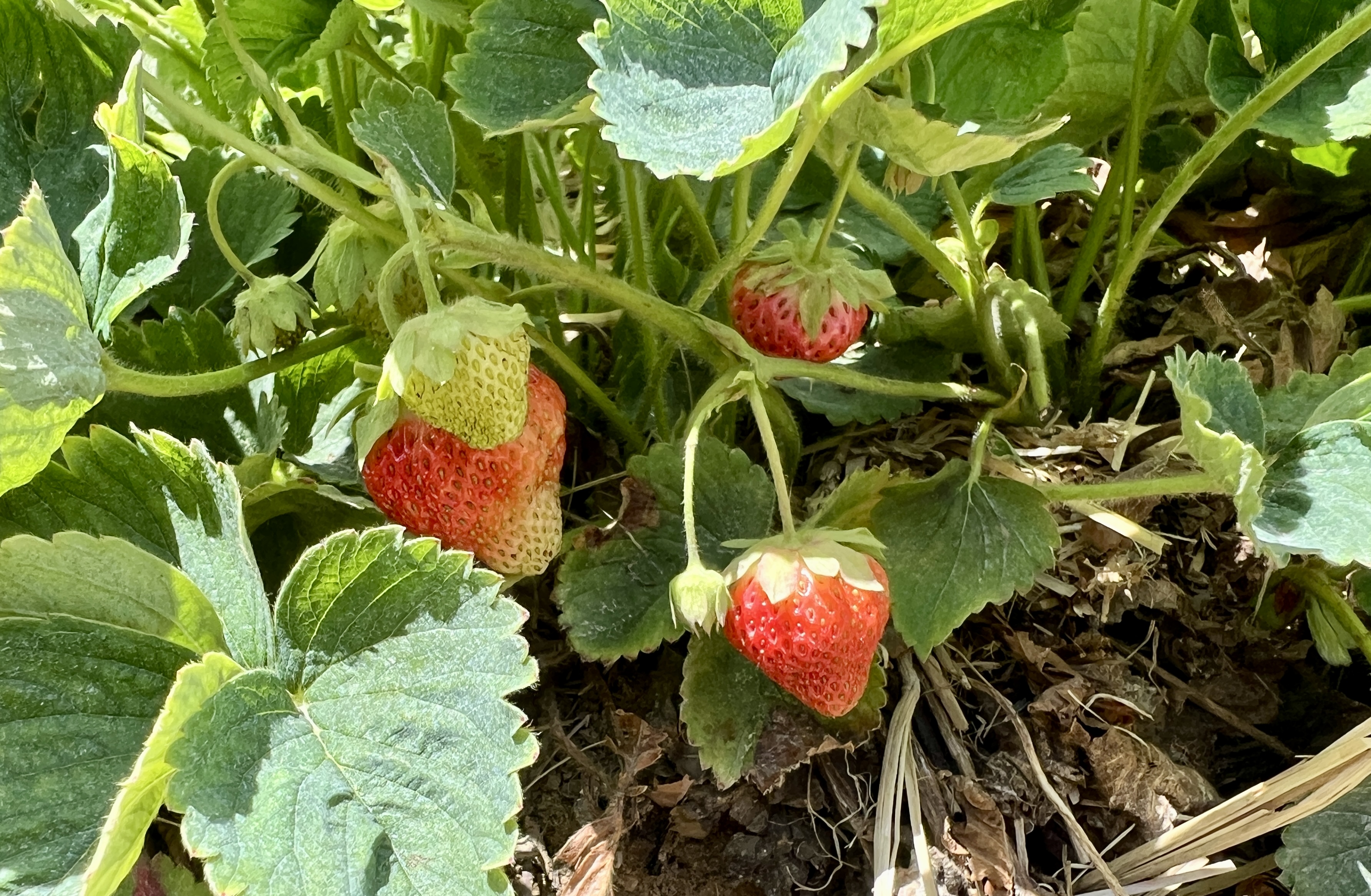
Strawberries have a low glycemic index and contain antioxidants that support the immune system. They are a great option when you want something sweet but still light and refreshing.
Blueberries
Blueberries contain antioxidants, tannins, and plant compounds that may support blood vessels, circulation, and eye health. Since vision problems can be a concern for people with diabetes, antioxidant-rich berries can be a smart addition to the diet.
Cherries
Cherries have one of the lower glycemic indexes among fruits and berries. They contain vitamin C, potassium, fiber, folic acid, beta-carotene, and anthocyanins. These plant compounds may help support healthy blood sugar regulation.
Kiwi for Diabetes
Kiwi is rich in vitamins C, E, and A, as well as potassium, flavonoids, fiber, and beta-carotene. Because kiwi contains both fiber and antioxidants, it can be a useful fruit for people who want to support digestion, immunity, and blood sugar balance. Eating one kiwi as part of a balanced meal or snack may be a good option for many people with diabetes.
Peaches and Plums
Peaches provide fiber, vitamin C, antioxidants, and phenolic compounds that support general wellness. Plums also contain anthocyanins, ellagic acid, and tannins, which may support blood sugar control. However, ripeness matters. Very ripe fruits are usually sweeter and may raise blood sugar faster, so portion control is important.
Avocado: The Low-GI Fruit
Although many people think of avocado as a vegetable, it is actually a fruit. Avocado has one of the lowest glycemic index values among fruits. It is rich in fiber and healthy plant-based fats, which can help slow digestion and support fullness. Because avocado is higher in calories, it is still important to eat it in reasonable portions.
High Blood Sugar Explained: What Hyperglycemia Means for Your Health
Fruits to Limit with Diabetes
Some fruits are higher in sugar or have a higher glycemic index. This does not always mean they are completely forbidden, but they should be eaten carefully and in smaller amounts. Fruits to limit may include bananas, grapes, melon, watermelon, mango, overripe pears, overripe plums, and dried fruits with added sugar.
These fruits can raise blood sugar more quickly, especially when eaten in large portions or on an empty stomach.
What About Mango and Other Sweet Fruits?
Mango is naturally sweet and has a higher glycemic index than many other fruits. However, some discussions around mango mention that glycemic load also matters. Glycemic load considers both the glycemic index and the amount of carbohydrate in a serving.
This means that a small portion of mango may affect blood sugar differently than a large portion. Still, people with diabetes should be careful with sweet fruits and check how their own body responds.
Whole Fruits Are Better Than Fruit Juice
When discussing fruits and diabetes, one of the most important rules is this: whole fruit is usually better than fruit juice. Whole fruit contains fiber, which helps slow the absorption of sugar. Juice removes much of that fiber and can cause blood sugar to rise more quickly. It is also easy to drink a large amount of juice without realizing how much sugar and calories it contains. For example, one glass of juice may contain the sugar from several fruits, but without the same amount of fiber. That is why people with diabetes are usually encouraged to choose whole fruits instead of fruit juices.
Are Unsweetened Juices Better?
Some vegetable-based juices may be lower in sugar than fruit juices. These may include tomato, cucumber, celery, spinach, cabbage, beet, or citrus juice without added syrups.
Still, even homemade juices should be consumed in moderation. Whole fruits and vegetables are usually the better choice because they provide more fiber.
Dried Fruits and Diabetes
Dried fruits can contain vitamins, minerals, antioxidants, and fiber. However, they are also much more concentrated in sugar because the water has been removed. Some dried fruits, such as dates, raisins, dried figs, dried bananas, dried mango, and dried pineapple, can have a medium or high glycemic index. They may raise blood sugar quickly and should be limited.
Lower-GI dried fruits may include prunes, dried apples, dried apricots, and dried cornelian cherry. Even then, portions should be small. It is also important to check labels. Some dried fruits are coated with sugar or syrup before drying, and these should be avoided by people with diabetes.
How Much Fruit Is Safe with Diabetes?
There is no single amount that is right for everyone. Some people may tolerate fruit well, while others may notice a quick rise in blood sugar after certain fruits.
A practical approach is to start with small portions, choose low-GI fruits more often, and monitor blood sugar levels. Pairing fruit with protein or healthy fats, such as yogurt, nuts, or cottage cheese, may also help slow sugar absorption. Moderation is key. Even healthy fruits contain natural sugar, so eating too much at once is not recommended.
Simple Tips for Eating Fruits with Diabetes
- Choose whole fruits instead of juices.
- Focus on low-GI fruits such as apples, pears, berries, grapefruit, cherries, plums, and kiwi.
- Eat smaller portions of sweet fruits like mango, banana, grapes, melon, and watermelon.
- Avoid canned fruits in syrup and dried fruits with added sugar.
- Eat fruit with meals or pair it with protein or healthy fats.
- Pay attention to how your blood sugar responds after eating fruit.
- Ask your doctor or dietitian for personal guidance, especially if you use insulin or medication.
Final Thoughts on Fruits and Diabetes
Fruits and diabetes can fit together in a healthy way when choices are made carefully. Fruit does not need to be feared, but it should be eaten with awareness. Low-GI fruits, berries, citrus fruits, apples, pears, kiwi, plums, and avocado can all be part of a balanced diabetes-friendly diet.
At the same time, sweet fruits, juices, and dried fruits should be limited or eaten only in small portions. The best choice is always the one that works for your body, your blood sugar levels, and your personal nutrition plan.
With moderation, variety, and mindful choices, fruit can remain a delicious and nourishing part of life with diabetes.
Which fruit do you enjoy most, and have you noticed how it affects your blood sugar?



Lia
Founder & Editor Lia is a biologist with many years of research experience and a deep love for natural medicine. She is passionate about natural remedies, healthy living, and simple ways to support the body through nature. Eager to share her knowledge, Lia enjoys offering helpful lifestyle tips, wellness tricks, natural recipes passed down through generations, and inspiring ideas for living a healthier and more balanced life.Related Posts
Diabetes Meal Planning with Bread Units
July 7, 2026
Learn the basics of nutrition for diabetes, including bread units, carbohydrate counting, insulin matching, food labels, and mealtime blood sugar monitoring....

High Blood Sugar Explained: What Hyperglycemia Means for Your Health
June 24, 2026
Hyperglycemia is a condition in which blood glucose (sugar) levels become higher than normal. It is most commonly associated with diabetes, but it can also occur in people without diabetes...
Leave a Comment