
No products in cart

Skin and Coat Care for Dogs and Cats Is More Than Appearance
Skin and coat care for dogs and cats is an important part of your pet’s overall health, comfort, and prevention routine. A shiny coat may look beautiful, but the skin and fur are not only about appearance. They are the body’s first line of defense, a protective barrier, and a visible sign of your pet’s general well-being.
Many pet owners only start paying close attention to the skin and coat when clear signs appear, such as frequent scratching, sensitive skin, excessive shedding, redness, dryness, or a dull coat. However, by the time these symptoms become obvious, the skin barrier may already be irritated or out of balance.
That is why a consistent care routine matters. With the right products, regular observation, and simple daily habits, you can help maintain your pet’s skin comfort and support a healthy-looking coat over time.
Why Skin Health Matters for Dogs and Cats
The skin is the largest organ of an animal’s body. It performs several essential functions every day. It protects the body from external factors, helps regulate body temperature, supports the immune system, and acts as a natural barrier against irritation. When this barrier is healthy, your pet is more comfortable. However, when the skin barrier is weakened by allergies, dryness, infections, harsh products, frequent bathing, stress, poor nutrition, or seasonal changes, discomfort can appear quickly.
Common signs of skin imbalance may include:
- frequent scratching
- licking or biting the skin
- redness or irritation
- dry or flaky skin
- dull or thinning coat
- excessive shedding
- rough patches
- changes in behavior caused by discomfort
Sometimes, these changes are subtle at first. For example, your pet may scratch a little more than usual, or the coat may slowly lose its shine. Because these signs can be easy to miss, regular skin and coat care for dogs and cats helps owners notice changes earlier.
A Healthy Coat Starts with a Healthy Skin Barrier
A pet’s coat depends heavily on the condition of the skin underneath. If the skin is dry, irritated, or unbalanced, the coat may become dull, brittle, thin, or uneven. This is why grooming should not be seen only as a cosmetic routine. Proper skin and coat care for dogs and cats supports comfort, balance, and long-term well-being. It can also help prevent small issues from becoming bigger problems.
For example, using the wrong shampoo, bathing too often, or choosing products that contain harsh ingredients may strip the skin’s natural oils. As a result, the skin can become more sensitive, and the coat may look less healthy. On the other hand, gentle products designed for pets can help cleanse the coat without damaging the natural barrier of the skin.
Regular Grooming Is More Than Bathing
Bathing is important, but it is only one part of a proper routine. In fact, skin and coat care for dogs and cats should include brushing, checking the skin, choosing suitable products, supporting nutrition, and knowing when to ask a veterinarian for advice. Regular brushing is one of the simplest and most useful habits. It helps remove dead hair, reduce tangles, and distribute natural oils through the coat. In addition, brushing gives owners a chance to notice changes such as bumps, dry patches, redness, dandruff, parasites, or irritated areas. For many pets, brushing can also become a calming experience when introduced slowly and positively. The key is to use the right brush for your pet’s coat type and to make the process gentle and comfortable.
What a Realistic Pet Care Routine Looks Like
The best routine is not always the most complicated one. In many cases, consistency is more important than using many different products. A realistic skin and coat care routine may include:
- regular brushing based on coat type
- occasional bathing with pet-safe products
- checking the skin for redness, dryness, or irritation
- using moisturizing or soothing products when needed
- supporting the coat through proper nutrition
- adjusting the routine during seasonal changes
- asking a veterinarian if symptoms persist
Short-haired pets, long-haired pets, senior pets, indoor cats, active dogs, and pets with sensitive skin may all need different approaches. Therefore, the routine should be adapted to the animal’s real needs, not copied from general advice.
What Are Veterinary Dermocosmetics?
Veterinary dermocosmetics are products designed specifically to support the skin and coat of animals. They combine cosmetic care with skin-supporting benefits and are often developed with the involvement of veterinarians. Unlike regular shampoos or conditioners, veterinary dermocosmetics are usually formulated with ingredients chosen for pets’ specific skin needs. They may help cleanse gently, moisturize the skin, strengthen the protective barrier, and support natural balance.
These products can be especially useful for pets with sensitive skin, dry skin, dull coats, or dermatological concerns. However, if your pet has persistent itching, redness, hair loss, wounds, or repeated irritation, it is always best to consult a veterinarian.
How to Choose the Right Products for Your Pet
Choosing the right grooming products can make a big difference in your pet’s comfort. Not every shampoo, spray, balm, or conditioner is suitable for every animal. When choosing products for skin and coat care for dogs and cats, look for gentle formulas made specifically for pets. Avoid products with harsh detergents, strong artificial fragrances, parabens, and unnecessary colorants, especially if your pet has sensitive skin.
It is also helpful to choose products that are:
- veterinary-approved or developed with veterinary input
- suitable for your pet’s species
- adapted to coat type and skin sensitivity
- easy to apply
- gentle enough for regular use when needed
For some pets, sprays or leave-in products may be easier to tolerate than traditional baths. This can be especially helpful for cats, nervous dogs, senior pets, or animals that dislike water.
Why Product Choice Matters So Much
The products used in your pet’s care routine can directly influence skin comfort and coat quality. A product that works well for one pet may not be right for another. Factors such as age, breed, coat length, lifestyle, skin sensitivity, allergies, and environment can all influence what your pet needs. For example, an active dog that spends a lot of time outdoors may need a different routine than an indoor cat. A senior pet may need gentler products than a young, healthy animal.
When the products are chosen correctly, the routine becomes easier to maintain and more effective. In addition, the pet is more likely to tolerate grooming when the products feel comfortable and do not irritate the skin.
Supporting Skin and Coat Health from the Inside
External care is important, but skin and coat health also depend on internal support. Nutrition, hydration, stress levels, seasonal changes, and overall health can all affect the appearance of the skin and coat. In some cases, pets may benefit from additional nutritional support, especially when the coat becomes dull, the skin feels more sensitive, or seasonal shedding becomes more noticeable.
Products such as complementary feeds designed for skin and coat support may help maintain the skin barrier and coat well-being. These products are often used as part of a daily routine, especially during periods when the skin needs extra care. However, supplements should be chosen carefully and ideally discussed with a veterinarian, especially if your pet already has skin problems or other health concerns.
Signs Your Pet’s Routine May Need Adjustment
Sometimes, your pet’s skin and coat clearly show that the current routine is not working well. Other times, the signs appear gradually and may be mistaken for normal seasonal changes. Your pet’s routine may need adjustment if you notice:
- frequent scratching
- increased licking or biting
- dull or greasy coat
- dry, flaky, or irritated skin
- unusual odor
- excessive shedding
- bald patches
- redness or bumps
- discomfort after bathing
- skin sensitivity that keeps returning
If these signs persist, become worse, or appear repeatedly, your pet should be evaluated by a veterinarian. Skin problems can have many causes, including allergies, parasites, infections, hormonal issues, food sensitivities, and environmental triggers.
Seasonal Skin and Coat Changes
Seasonal changes can affect both dogs and cats. In colder months, indoor heating can dry out the air and make the skin more prone to dryness and flaking. During warmer months, pets may shed more, spend more time outdoors, or come into contact with allergens. Because of this, skin and coat care for dogs and cats may need small seasonal adjustments. For example, some pets may need more brushing during shedding season, while others may benefit from gentle moisturizing care during winter.
The goal is not to overcomplicate the routine, but to stay observant and adjust care when your pet’s needs change.
When to Contact a Veterinarian
At-home care is helpful, but it does not replace veterinary evaluation when symptoms are persistent or concerning. You should contact a veterinarian if your pet has:
- constant itching
- open wounds
- hair loss
- severe redness
- swelling
- skin infections
- bad odor from the skin or ears
- repeated flare-ups
- sudden coat changes
- visible pain or discomfort
A veterinarian can help identify the cause and recommend the right treatment, care products, or dietary support. This is especially important because skin symptoms can sometimes reflect deeper health issues.
Simple Habits Can Make a Big Difference
Skin and coat care for dogs and cats does not need to be difficult. Small habits, done consistently, can support your pet’s comfort and help you notice problems early. Brushing regularly, using gentle pet-safe products, checking the skin, supporting nutrition, and asking for veterinary guidance when needed can all make the routine more effective.
Most importantly, grooming should be comfortable for your pet. When care is introduced gently and positively, it can become a moment of trust, relaxation, and connection between the animal and the owner.
Final Thoughts….
Skin and coat care for dogs and cats is much more than keeping your pet looking clean and beautiful. It is part of prevention, comfort, and everyday well-being. Because the skin is a protective barrier and the coat reflects overall condition, regular care can help owners notice changes before they become more serious. With the right routine, suitable products, and attention to your pet’s individual needs, at-home care can become simple, effective, and comfortable for everyone.
Have you ever noticed changes in your pet’s skin or coat before realizing something in their routine needed to change?



Lia
Founder & Editor Lia is a biologist with many years of research experience and a deep love for natural medicine. She is passionate about natural remedies, healthy living, and simple ways to support the body through nature. Eager to share her knowledge, Lia enjoys offering helpful lifestyle tips, wellness tricks, natural recipes passed down through generations, and inspiring ideas for living a healthier and more balanced life.Related Posts
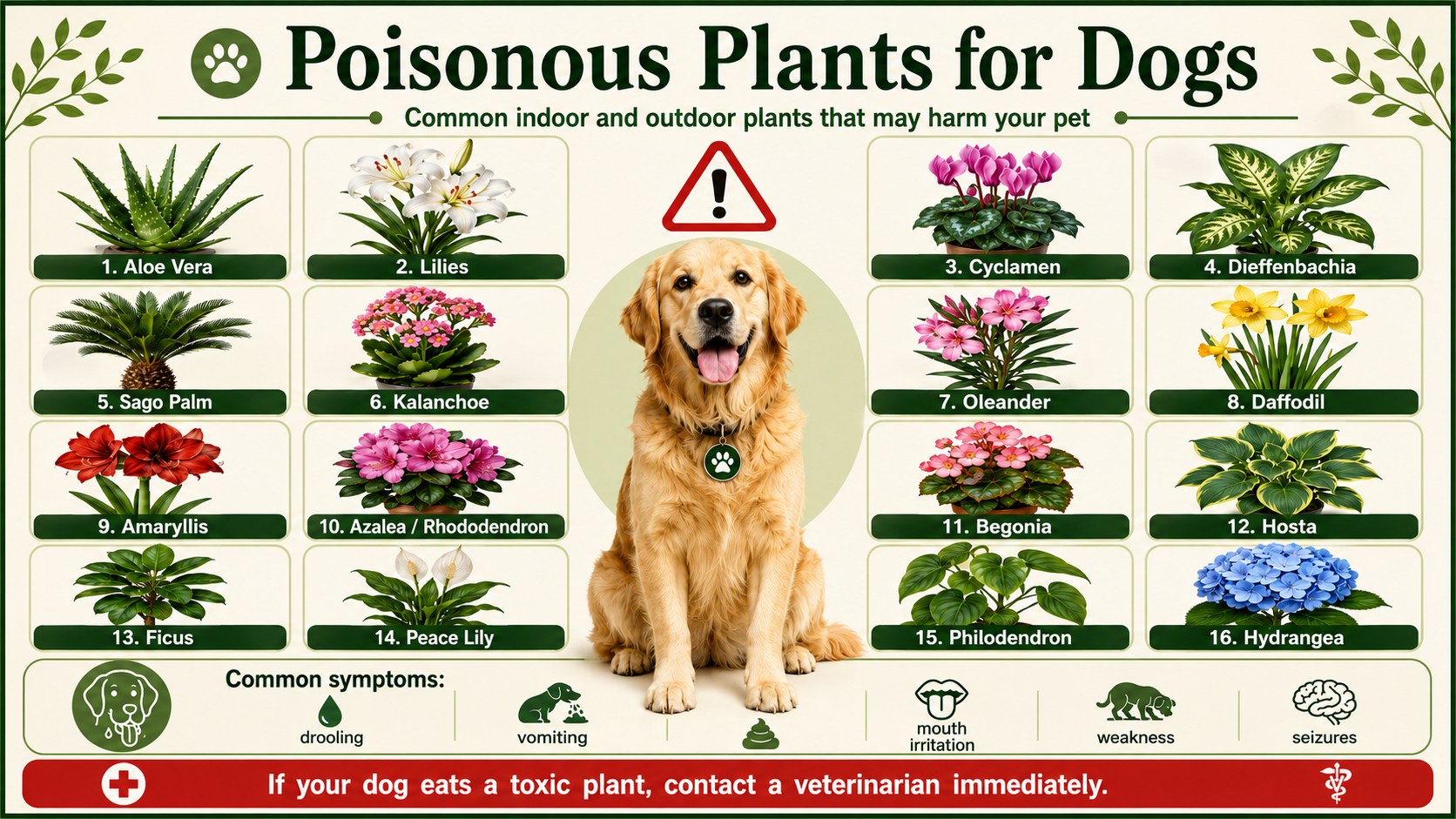
Poisonous Plants for Dogs: Dangers and Symptoms
July 10, 2026
Discover common poisonous plants for dogs, the symptoms they may cause, and the steps to take if your pet chews or eats a toxic plant....

Poisonous Plants for Dogs: Symptoms and Safety Tips
July 10, 2026
Many common indoor and outdoor plants can harm dogs. Learn which poisonous plants to avoid, recognize warning signs, and respond quickly if your dog eats a toxic plant....

Collagen for Dogs and Cats
July 6, 2026
Collagen for dogs and cats can support joints, bones, tendons, ligaments, skin, and coat health. Learn what collagen is, why pets may need it, where it comes from, and how...
Leave a Comment